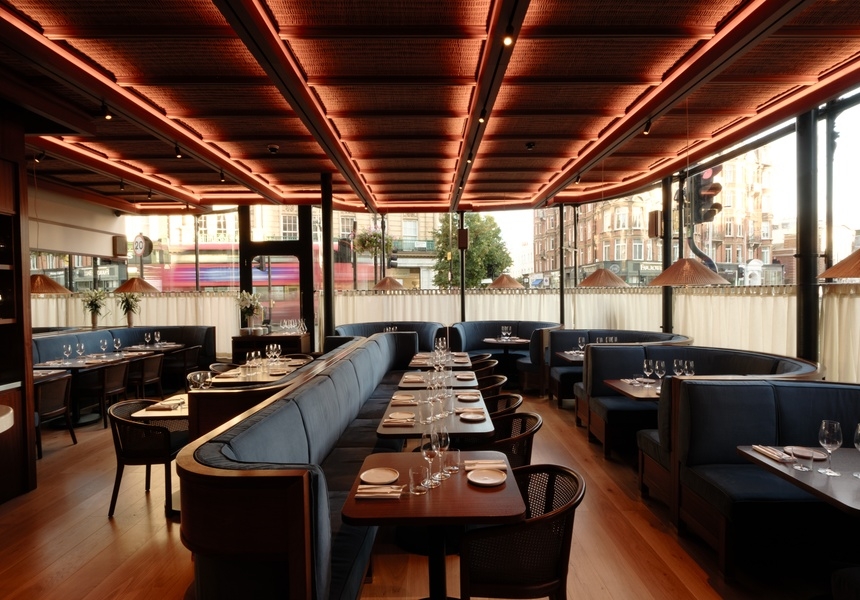
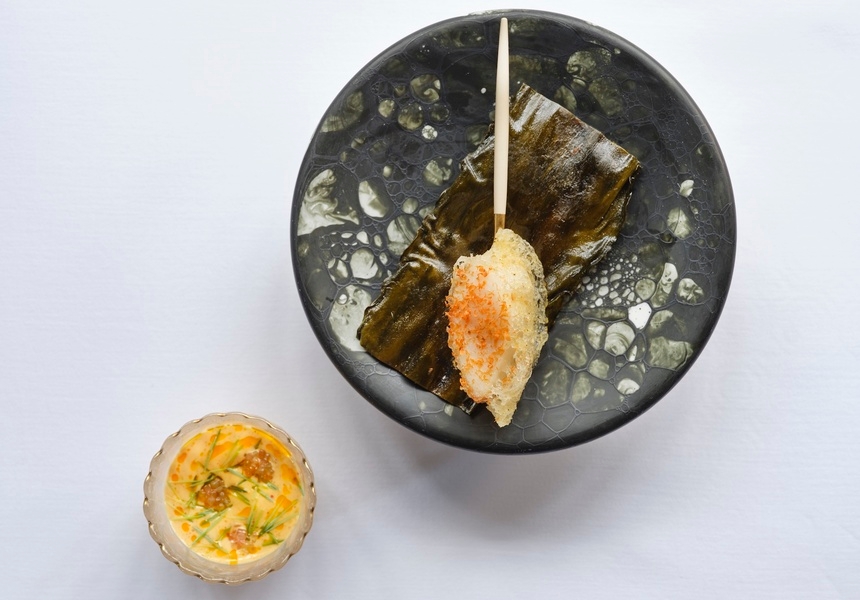
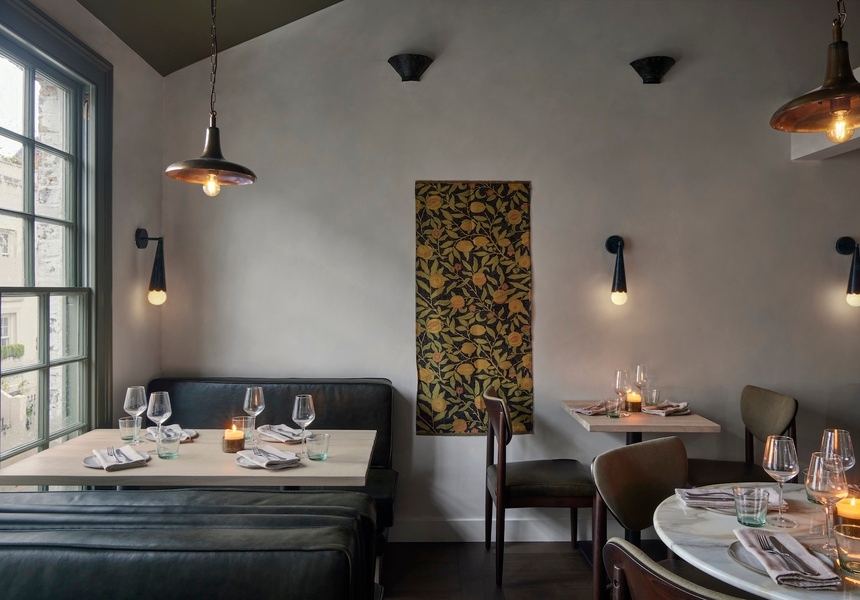
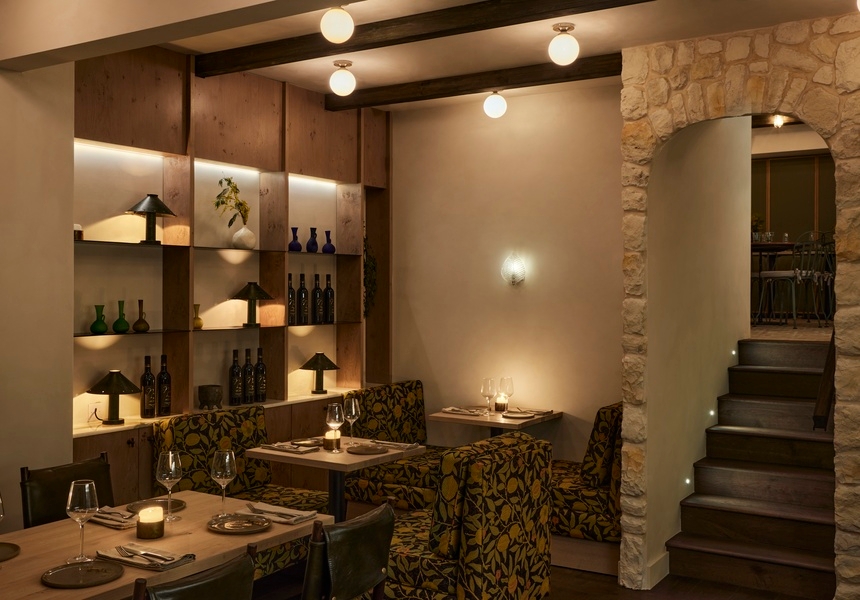
Like every neighbourhood in the capital, west London’s Notting Hill has its own personality – and while it might seem all polish on the surface, if you stop to look, you’ll find plenty of eccentricity and character beneath.
On Portobello Road, Golborne Road, Westbourne Grove and the streets in between, old-school pubs sit alongside raucous Michelin-starred dining rooms and offbeat modern bistros, promising ample options for everything from long, extravagant dinners to quick counter-seat eats.
These are the Notting Hill restaurants worth knowing about.
Canteen
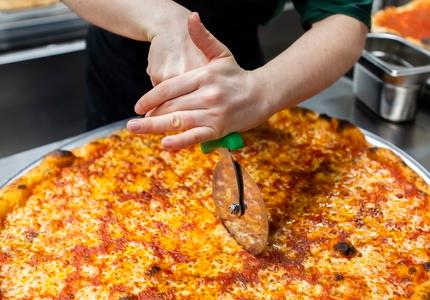
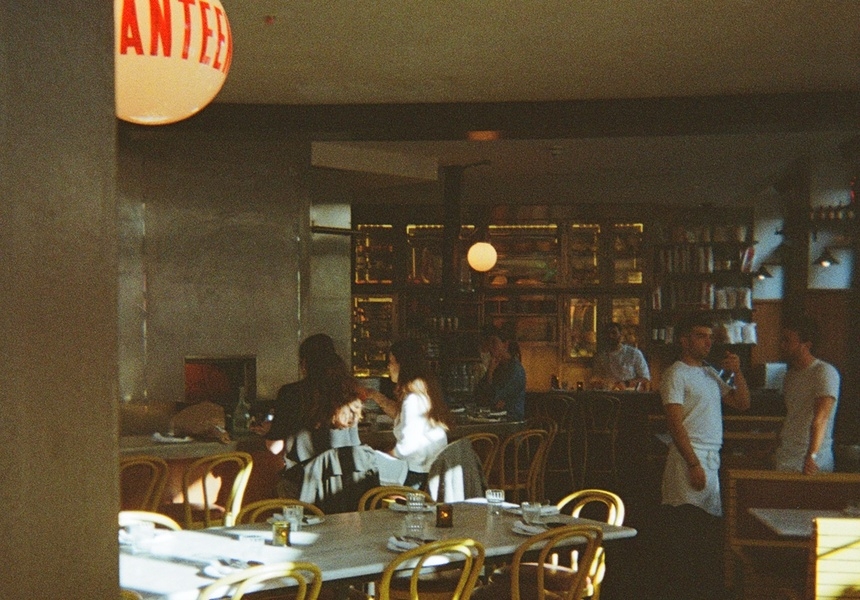
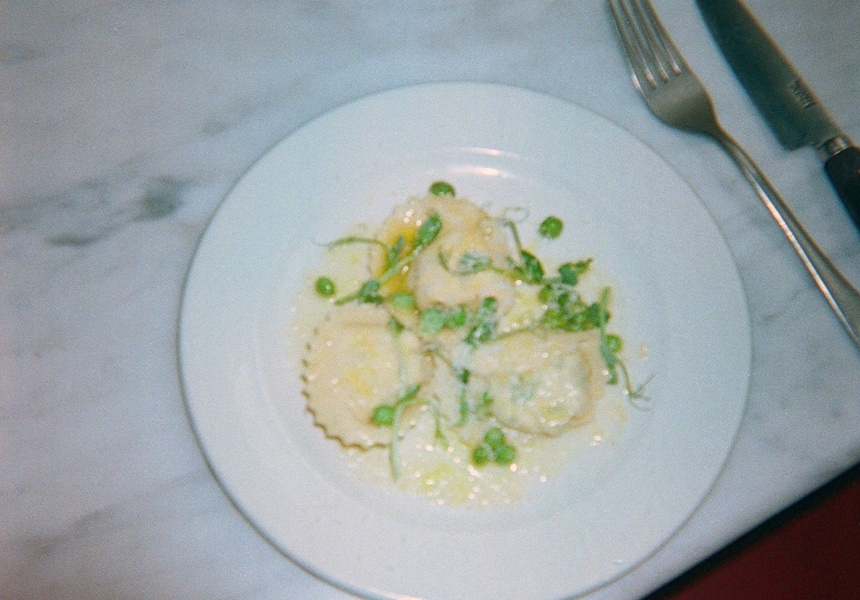
Since Canteen opened in late 2024, River Cafe alumnus Jessica Filbey and her mostly female team have won countless hearts with their cooking. The sleek, modern, walk-in-only trattoria is a counterpoint to the city’s bottomless trove of (rightfully beloved) nostalgic Italian restaurants – and is all the more thrilling for it. The short, sharp menu is conjured from European produce: there’s a handful of pastas, pizzas and grilled meats available every day. Rock up early and be prepared to wait for a slice of the rosemary and lardo farinata (a slither of Genoese-style chickpea flatbread).
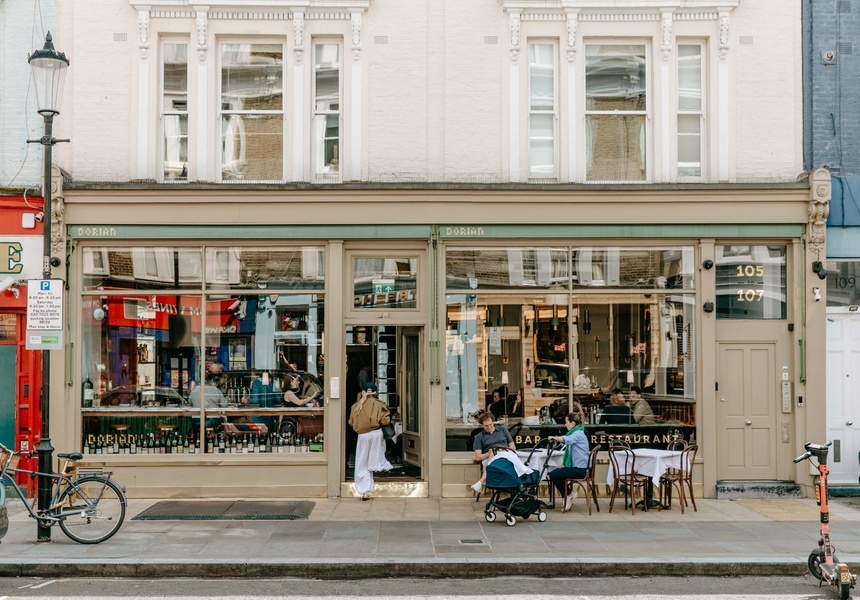
Dorian
Perched on the unassuming west end of Talbot Road, this neighbourhood bistro is warm and welcoming – but the Michelin-starred dining room is not exactly the sort of place you can just swing by because the fridge is empty. It’s almost impossible to secure a spontaneous seat. Instead, it’s a prime spot for a blow-out of delicately grilled lobster, scallops and pretty pink steak, and hardly a surprise that it’s every other chef’s favourite restaurant. Need further convincing? Just take a look at the wine list.
Dove
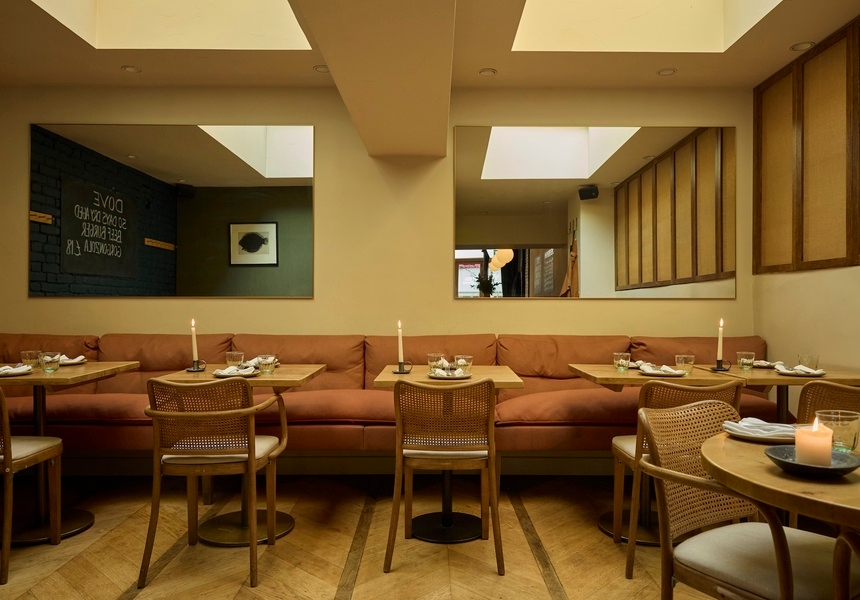
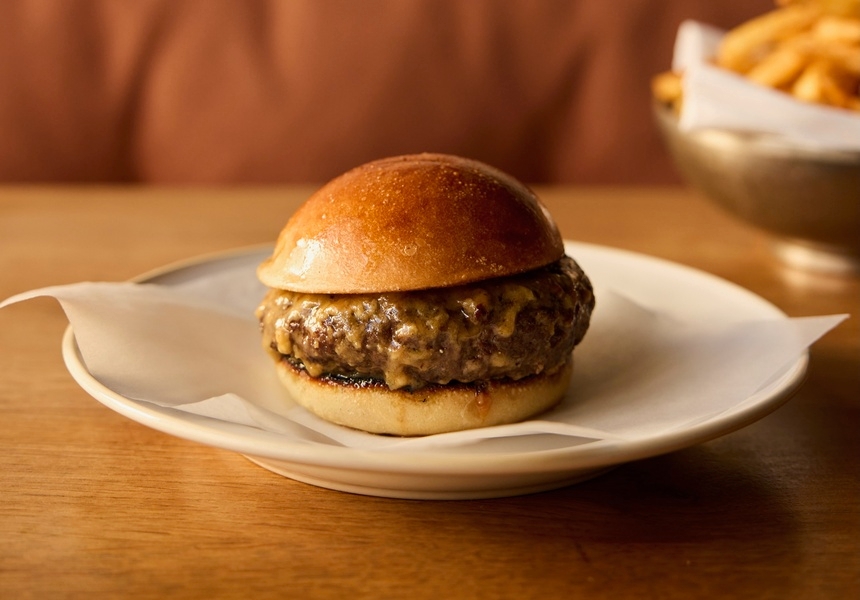
You may have heard of its gorgonzola-laced beef burger – and yes, it’s as deliciously juicy and shamelessly decadent as they say – but even if you’re not fast enough to snap up one of the 10 Jackson Boxer and his team rustle up each day, there’s so much more to love about Dove. The menu of creative modern comfort food changes daily, but there’s usually a fluffy fried potato pizzette, a bowl of silken pasta, and always a carefully tended joint of meat or fish to share. Pray the chicken’s on. Order the duck fat fries.
The Barbary
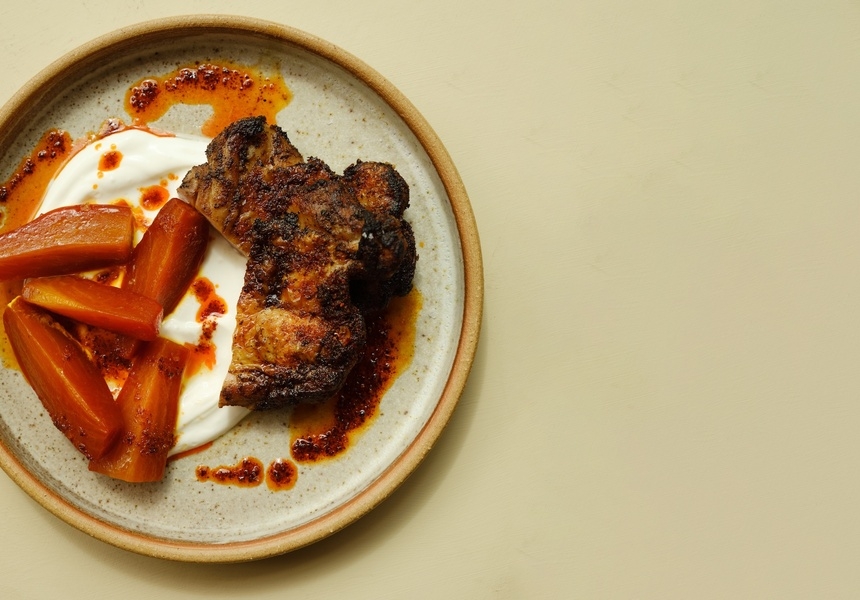
If you know the sexy, compact cave that is The Barbary in Neal’s Yard, think of The Barbary in Notting Hill as its breezy, polished sister. A London interpretation of the many flavours and cuisines found along the Barbary coast (from southern Europe to northern Africa), the menu is made up of small- and medium-sized plates of flame-licked fare to share. Start with crisp bites of white fish and harissa-stuffed Moroccan cigars, and a sesame-speckled Jerusalem bagel for scooping up spinach borani (dip). Most other things chop and change, though the barbecued Galician octopus, brown butter yellowtail sashimi and succulent coffee-rubbed chicken are signatures for good reason.
The Ledbury
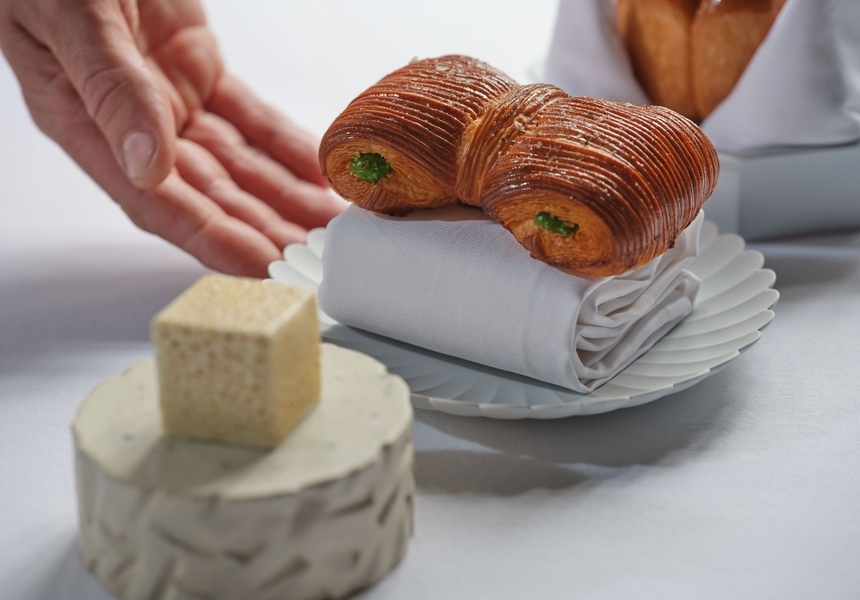
Named after the road it sits on, chef-patron Brett Graham’s restaurant first opened in 2005, closed during the pandemic, then returned to pick up a third Michelin star with the help of head chef Tom Spenceley. One of the city’s most celebrated fine-dining restaurants, its tasting menu is an investment in understanding the best British ingredients, all sourced from small, independent producers as well as the restaurant’s own farm. Its serene dining room plays host to plates of creative, contemporary bites cooked with classic French methods and served with elegance and theatre across eight courses.
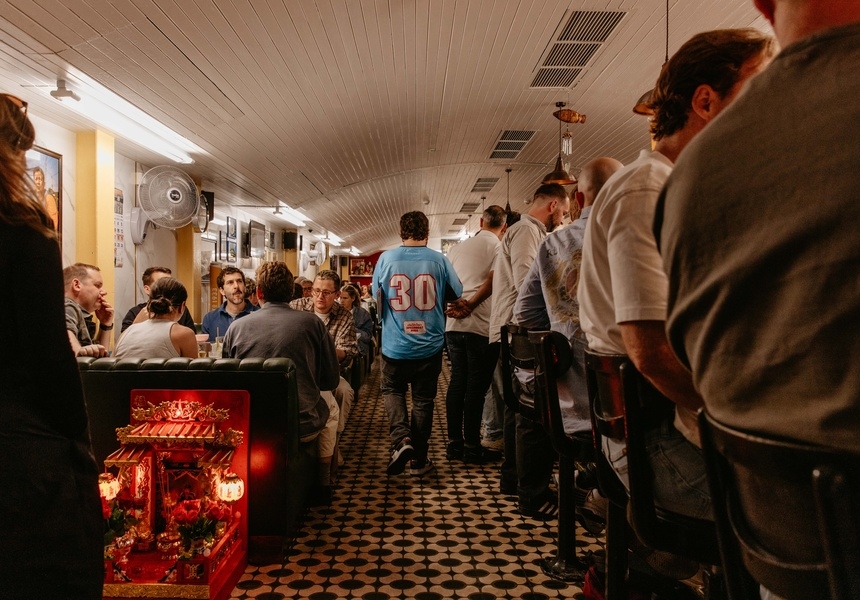
Speedboat Bar at The Electric
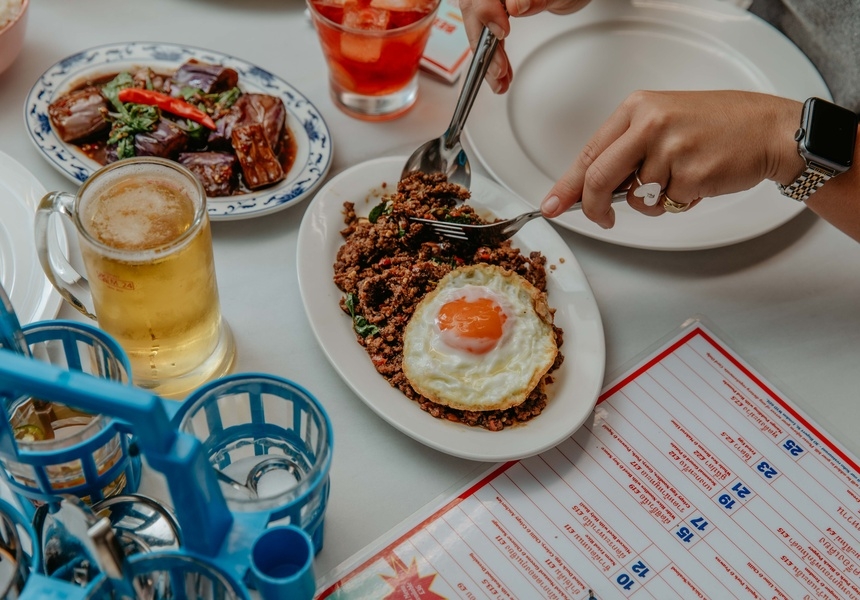
Speedboat Bar at The Electric brings a jolt of Bangkok’s effervescent Chinatown to Portobello Road. Luke Farrell’s second Speedboat is a louder, slicker west London sibling to the Soho original, with an equally big, bold menu built for sharing and sweating over. There are chicken skins with “zaep” seasoning (a mix of turmeric and dried citrus peel, among other things; zaep translates as tasty or spicy), sweetcorn fritters, minced beef with holy basil, tom yam Mama noodles and crispy pork with black pepper curry. Drinking? The cocktails are equally energising, with standouts including the refreshing Jelly Bia starring ginger, honey, calamansi and Singha beer, and the Frozen Olieng, a coconut-laced take on the espresso Martini which – be warned – may keep you up until dawn.
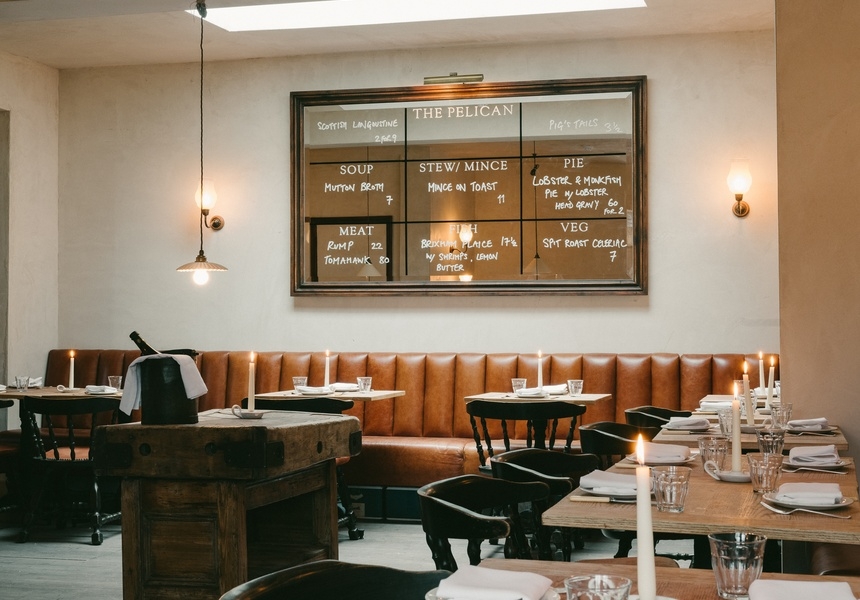
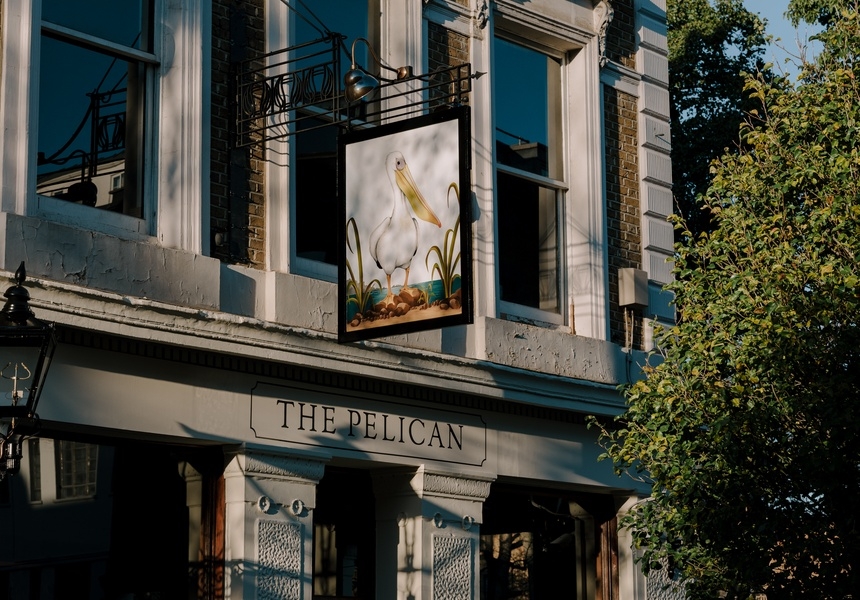
The Pelican
A revived Victorian boozer, The Pelican is always a safe bet for elevated, excellently executed comfort food. The first in the Public House Group’s now-sprawling London stable (Canteen, The Fat Badger, The Hero, etc), its kitchen sets a very high bar for a new wave of incredibly chic pubs. Headed up by chef Alex Reynolds, it dishes out a regularly changing array of seasonal fare, which often includes a deeply satisfying pie, some sort of terrine and a chocolate mousse. Only feeling slightly peckish? Order a golden sausage roll or Welsh rarebit from the bar.
Caia
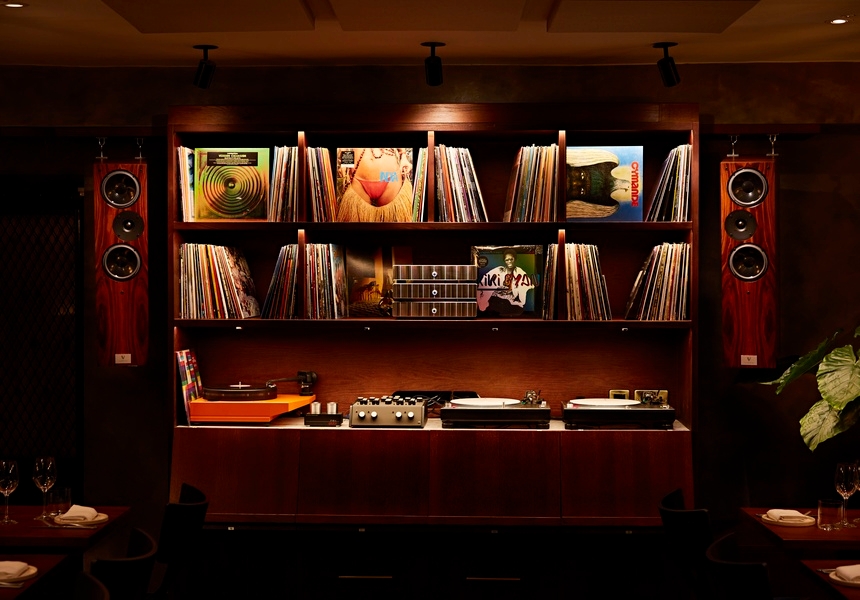
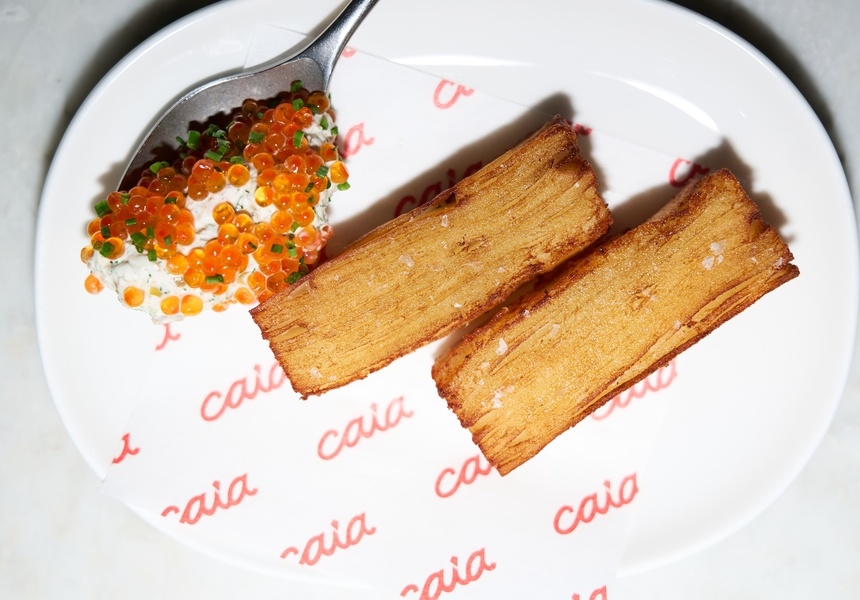
Once a listening bar with live-fire fare, these days Caia is a self-described “modern, Asian-leaning bistro”. The cosseting, laidback vibe and stellar sound system remain, but chef John Javier has completely reimagined the menu since he took over the kitchen in late 2025. It now presents a host of clever, playful and, crucially, delicious dishes that bring together pan-Asian and European influences. Look out for the crispy sweetbread saltimbocca, beef tartare with bagna cauda, cacio e pepe cheung fun, and matcha and white chocolate tiramisu. Sit at the counter, close to the action, if you can.
Akub
Chef Fadi Kattan’s elegant restaurant Akub is built around the idea of the tawla – an table of abundant sharing plates – and here the flavours of Palestine are brought to life with a little help from seasonal British produce. Intricate and generously proportioned dishes sometimes include the likes of labaneh balls rolled in sumac, za’atar and Aleppo pepper; arak-cured fish; and short rib fatteh. Meanwhile, the alluring drinks list features Palestinian and Jordanian wines, Taybeh beer and arak-led cocktails.