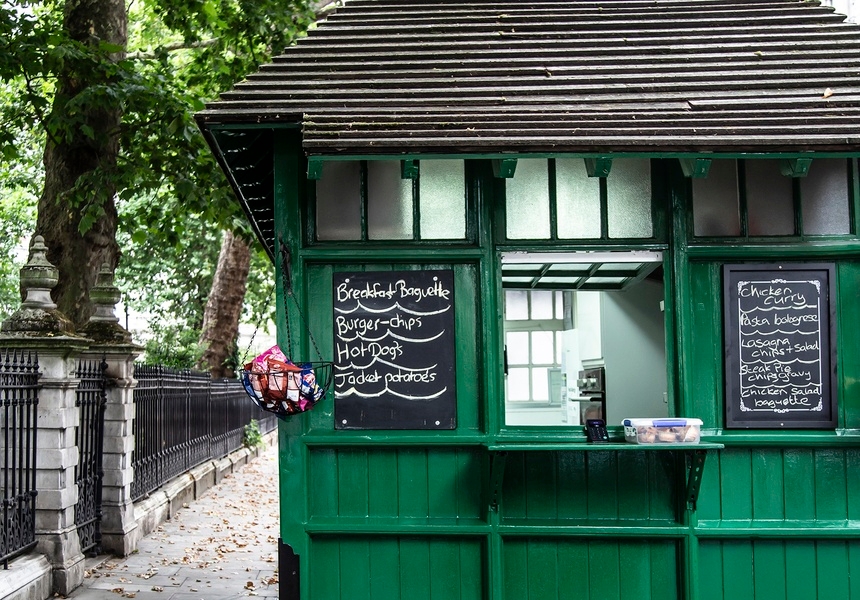
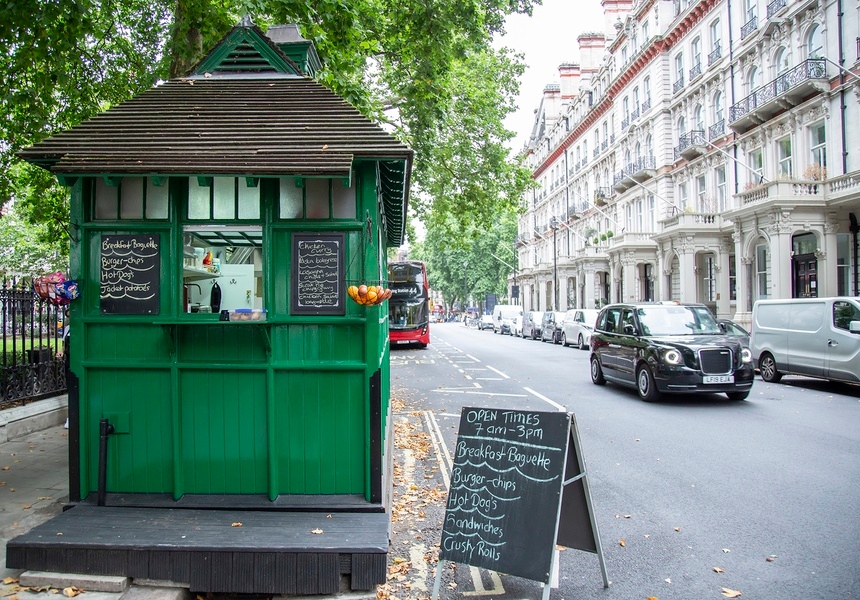
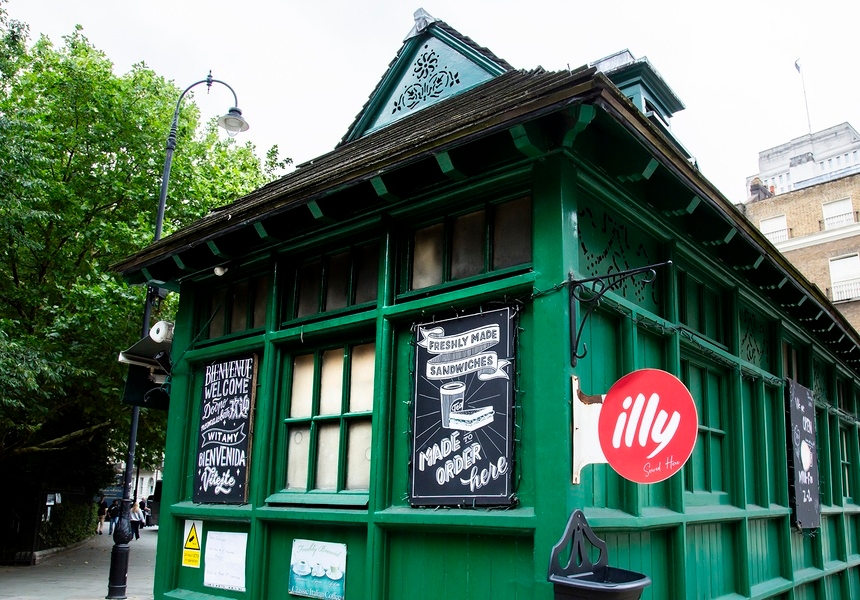
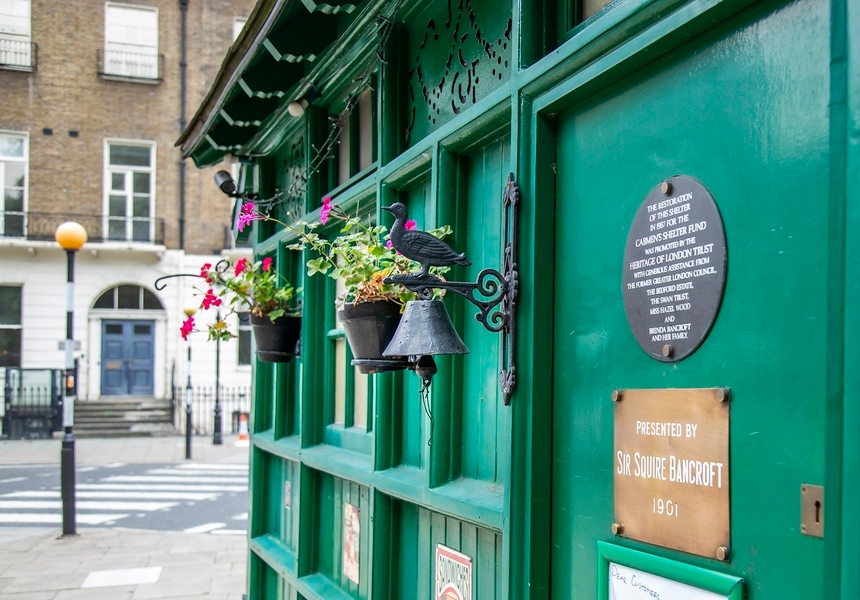
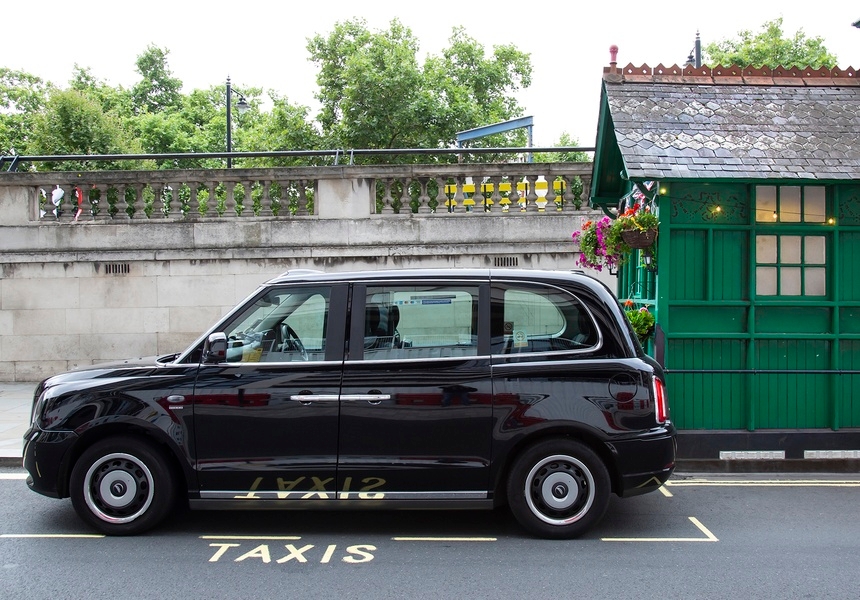
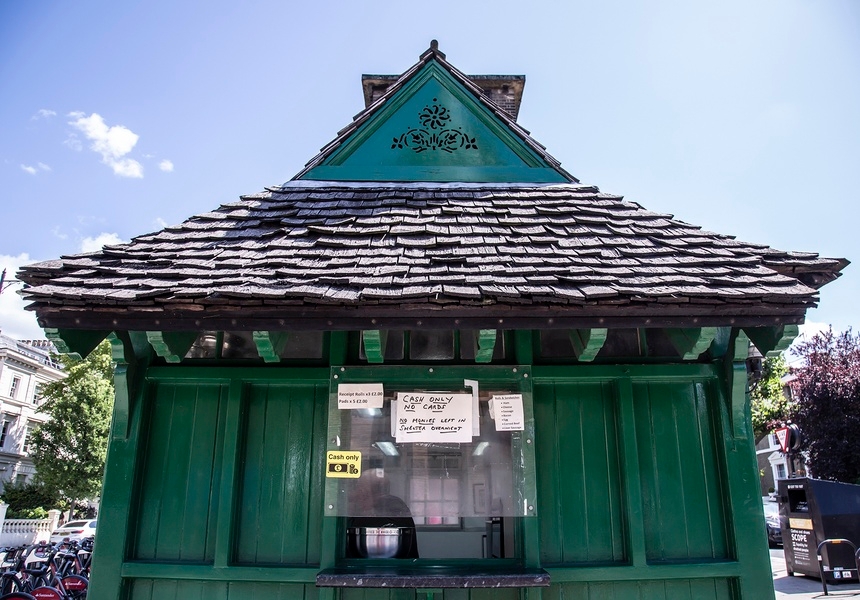
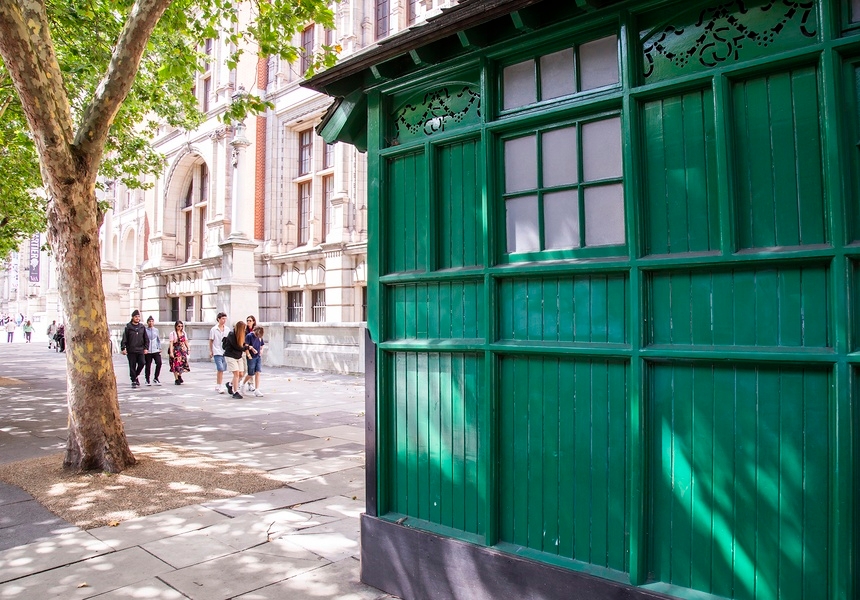
Back in the 1870s, London’s streets were ruled not by white vans and Ubers, but horse-drawn carriages. To cater for the drivers – and, crucially, to keep them out of the pubs – 61 shelters were built to provide welcoming pit stops and hot food. The huts followed strict design rules: timber frames, chimney vents, a uniform topcoat of Buckingham green and the initials CSF, for the Cabmen’s Shelter Fund, the charity that still maintains the shelters. Inside was a small kitchen, a horseshoe-shaped bench and table that could squeeze in a dozen cabbies, plus zero tolerance for swearing, card playing or alcohol.
While it was meant to be strictly drivers-only, the Piccadilly Circus hut (nicknamed the Junior Turf Club) was a late-night haunt of the bright young things, who smuggled in champagne after evenings in St James’s in the 1900s. Ernest Shackleton hung out at the shelter on Hyde Park Corner, and Frank Sinatra is said to have snuck into the one opposite The Dorchester on Park Lane when he was staying there in the 1950s. Fast forward to 2025 and only 13 shelters survive, now protected by Grade II listings and celebrating their 150th anniversary.
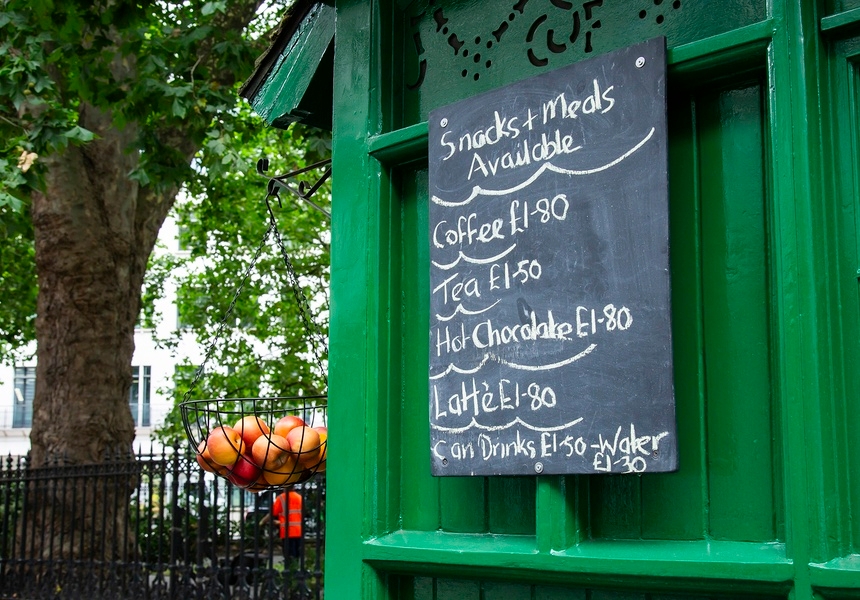
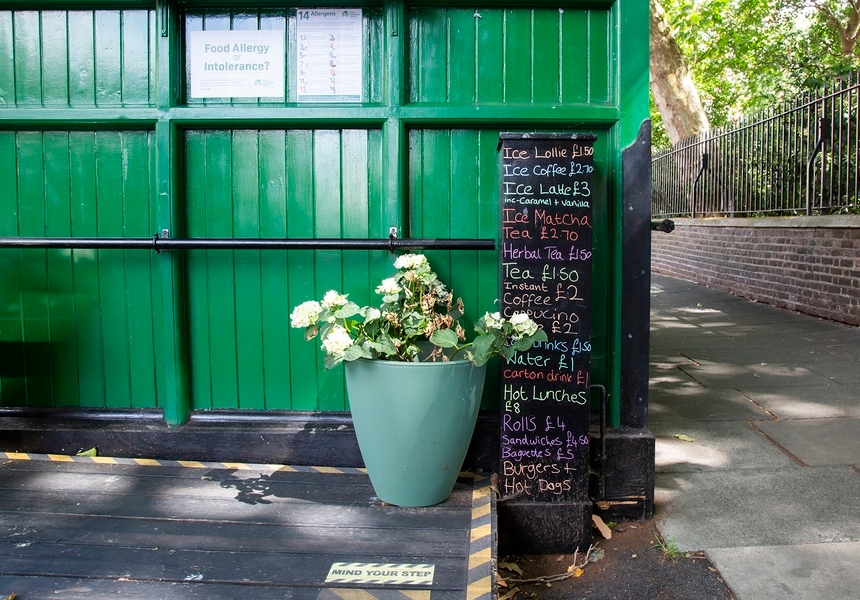
At Russell Square, the working hut is cheery with hanging baskets, serving up a full English and £1.50 cups of builder’s. There are baked potatoes and baguettes at Temple Place. On Pont Street, steps from the collection of Anya Hindmarch shops, the shelter does a roaring trade in sausage poppyseed buns (brown sauce optional). For something more hearty, there’s spaghetti bolognaise and toad in the hole on the menu in Grosvenor Gardens. At all these shelters, only black cab drivers who have passed The Knowledge can cross the threshold. For everyone else, it’s takeaway from the hatch.
“It’s like the Houses of Parliament, everyone arguing politics, swapping stories, getting hot under the collar about the football scores,” says Jimmy Jenkins, long-time cabbie and trustee for the Cabmen’s Shelter Fund, about what goes on inside. At the Warwick Avenue hut, the regulars have their own mugs for their morning brew. The shelter keeper knows how many sugars each driver takes. “It’s a home away from home,” Jenkins tells Broadsheet. “Not like going to Pret.”
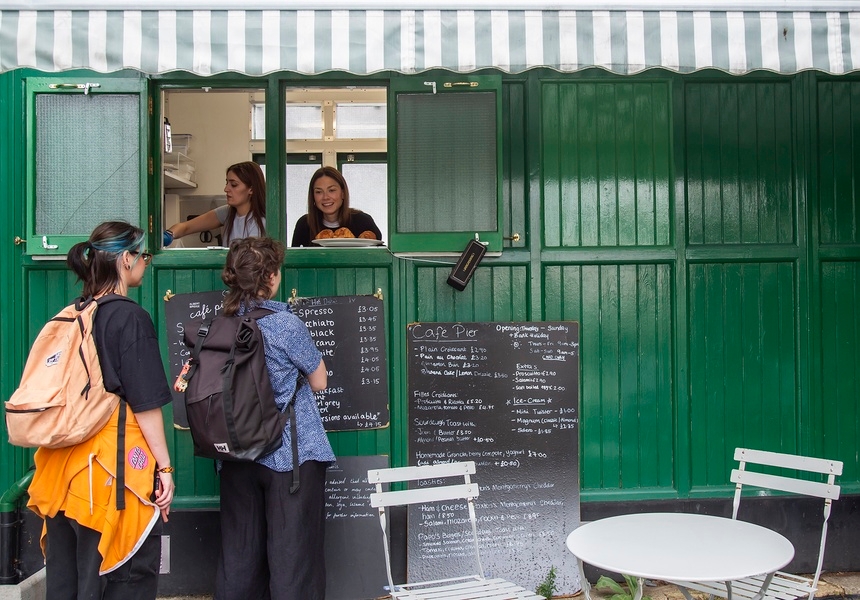
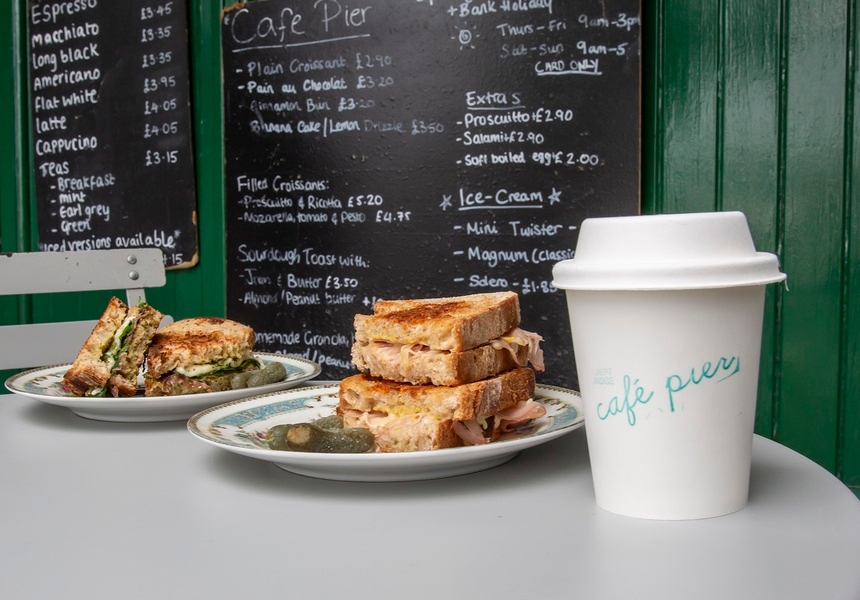
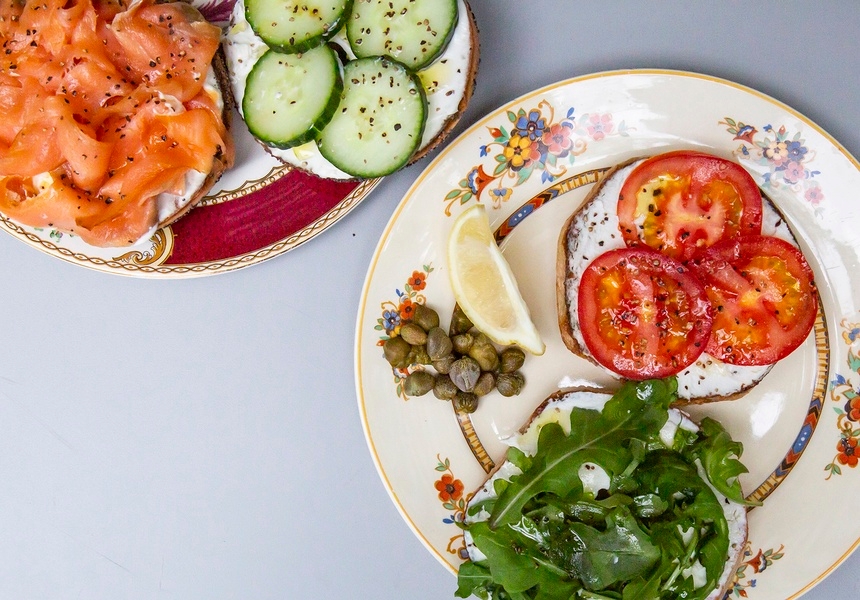
For now, the Hanover Square hut (waiting for relocation) and the one on Thurloe Place (reportedly hit three times by inebriated drivers) are shuttered. The outlier of the gang is the shelter on Chelsea Embankment, abandoned after the red route rendered it impossible for taxis to stop. The little green shed has been reimagined as Cafe Pier by food PR rep Melis Kurum and her friend Cem Kemahli, who works in property. They whip up Papo’s bagels with smoked salmon and capers – “We get them from Dalston, they are the best bagels in London,” says Kurum – and prosciutto- and ricotta-filled croissants for SW3 locals. The cafe gives 20 per cent off to cabbies and, sticking to tradition, “no one is allowed to sit inside”. When the sun is shining, the riverside terrace by Albert Bridge is one of west London’s insider secrets. The biggest challenge for Cafe Pier, Kurum says, is the weather.
This micro-scene of retro British culture caught the eye of photographer Martin Parr, who shot a series on the shelters for the New York Times in 2012. Anthony Bourdain stopped by the Kensington Road shelter, Luba’s Green Hut Cafe, for a hangover-curing breakfast sandwich on his show The Layover. Paul Weller is a regular at Warwick Avenue, and Stephen Fry, a black cab owner himself, visited Wellington Place’s Chapel Shelter for a cuppa and a gossip to celebrate the 150th anniversary earlier this year.
These little community capsules may be wedged between bus lanes and bike racks, but they’re far from forgotten. They’re adapting and evolving while holding on firmly to their roots, a reminder that some corners of the capital still run on tea, gossip and a proper bacon butty.