Tracey Emin: A Second Life is a survey exhibition at the Tate Modern (running from February 27 to August 31) that explores tensions between health and illness, viewer and object, and sex and sexual violence. It’s the continuation of a career and body of work that has seen the Croydon-born artist push boundaries since powering onto the art scene in the 1990s as part of the era’s generation-defining group of Young British Artists.
Curated by Maria Balshaw, director at Tate; Alvin Li, curator at Tate Modern; and Jess Baxter, assistant curator at Tate Modern, the exhibition will include more than 90 works made by Emin over the last 40 years.
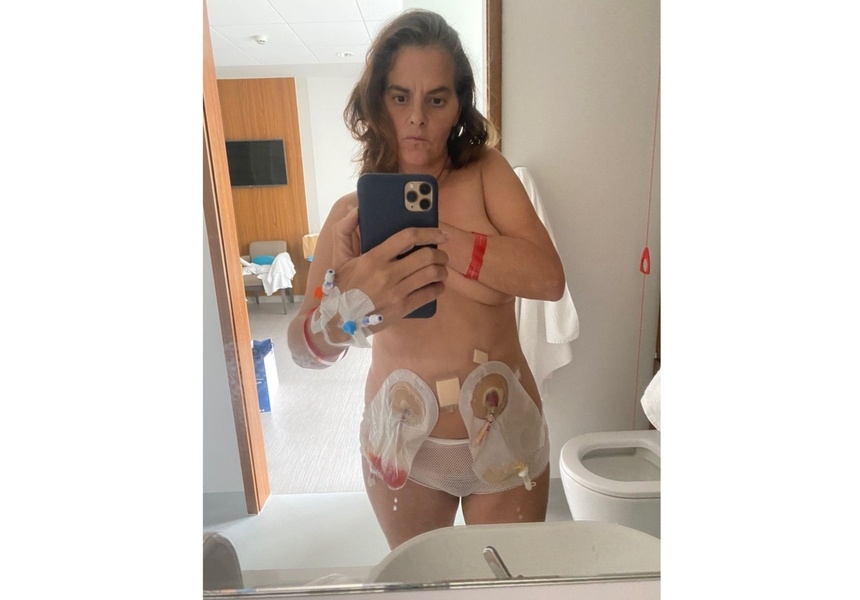
“The title, A Second Life, came from Tracey herself,” Baxter explains. “She got diagnosed with bladder cancer in 2020 and lives with a stoma bag now, so her life changed completely.”
This “fracture between her first and second life” inspired the exhibition’s two-part structure: first, a retrospective look at sex, violence, and power; and in the second, works focusing on depression, transcendence, death, and the afterlife.
“The common thread through all these pieces is introspection, excavating and mining personal experience,” Baxter says. “And painting – Tracey has always been a painter, and there are paintings in nearly every room of the show.”
She shares five must-see pieces from the exhibition.
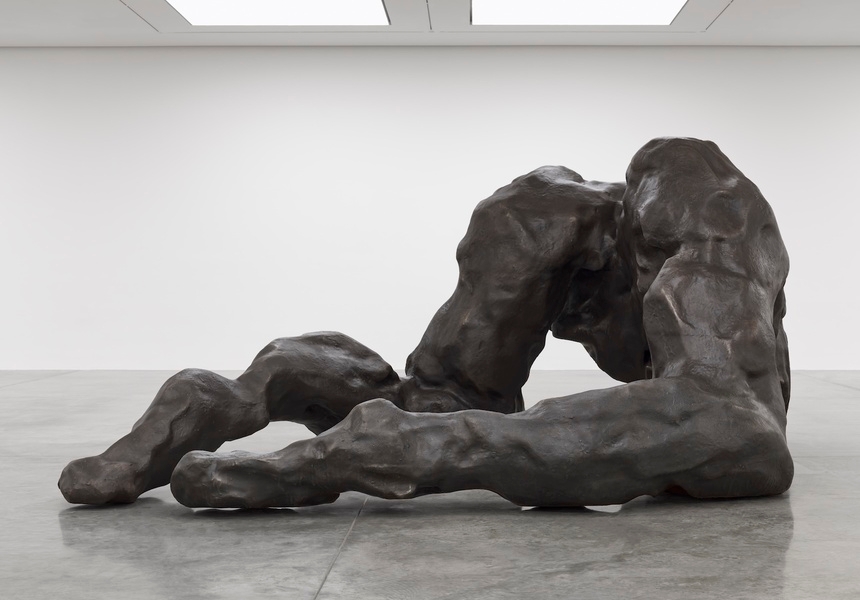
I Followed You to the End (2024)
I Followed You to the End is a huge bronze sculpture which will be placed outside the gallery for two years for passersby to see for free.
It’s a “half-abstract, half-figurative sculpture of the bottom half of a woman bent over in grief or in pleasure,” Baxter says. “I like it because it’s a statement – a pleasuring woman between the phallus of the Tate Modern tower and patriarchal St. Paul’s.”
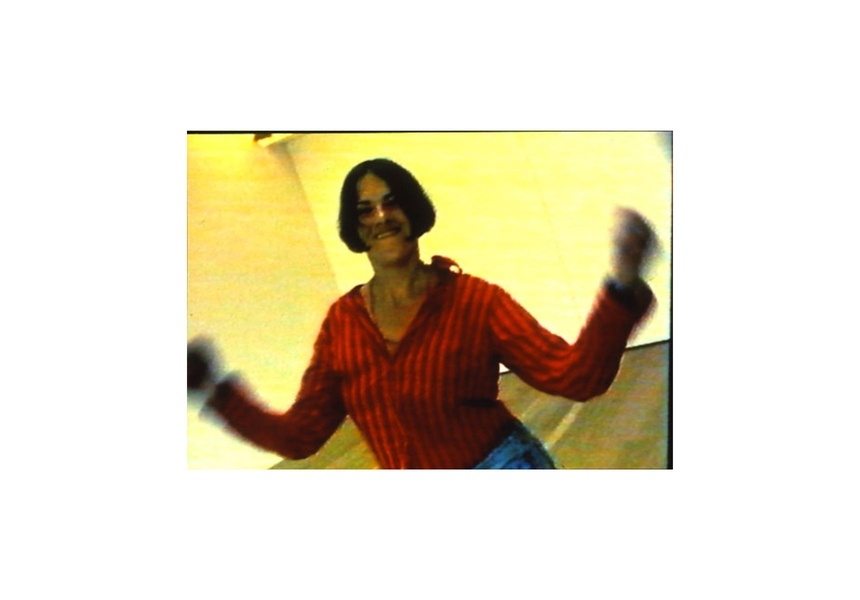
Why I Never Became a Dancer (1995)
In this six-and-a-half-minute long film, Emin talks about why she didn’t pursue dance after being slut-shamed at a dance competition during her teenage years.
“It’s the work we started with when we were curating the exhibition, so it really sets the tone,” Baxter says.
Although it touches on classism and sexism, this film is also “joyous,” Baxter says, since it shows an older Emin enjoying dancing and now famous for a different art.
Self-portraits (2020–2025)
A series of iPhone shots of Emin – in hospital, of her excretions in the toilet, and of her body parts – will be displayed as small prints on one side of a corridor-like room. They might provoke some discomfort while normalising the realities of illness, Baxter says.
“We made them very small and very intimate so that only one person at a time can interact with them, to make people think about the consent of looking and the relationship between the surveyor and the surveyed.”
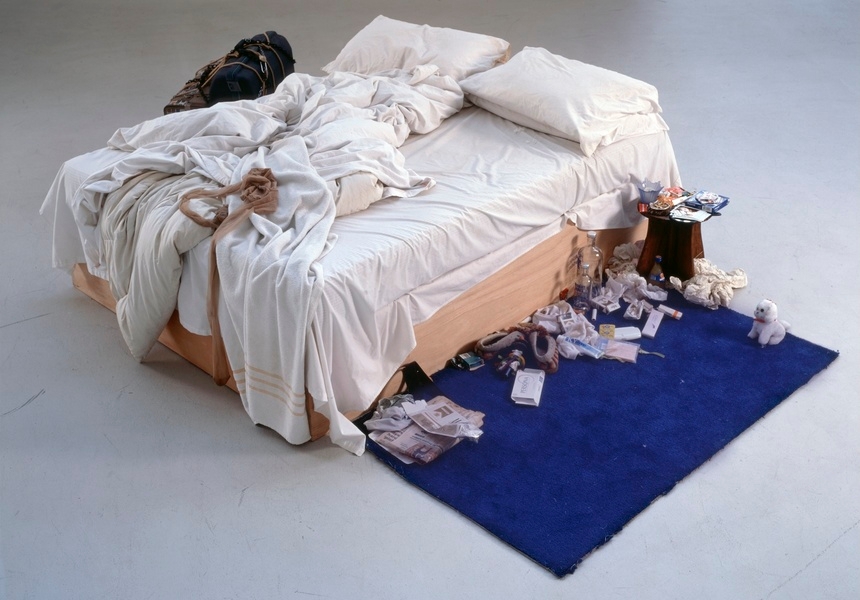
My Bed (1998)
“To know Tracey, just look at the bed,” Baxter says.
The sculpture, which was nominated for a Turner prize in 1999 and triggered a huge media furore over the value and purpose of art (Charles Saatchi bought it in 2000 for £150,000), consists of Emin’s bed in the state she left it after a depressive episode.
Baxter is curious to see younger viewers’ interpretations of the work, “now that we’re talking openly about themes it touches on, like depression and ‘bed rotting,’” she says.
The Bridge (2024)
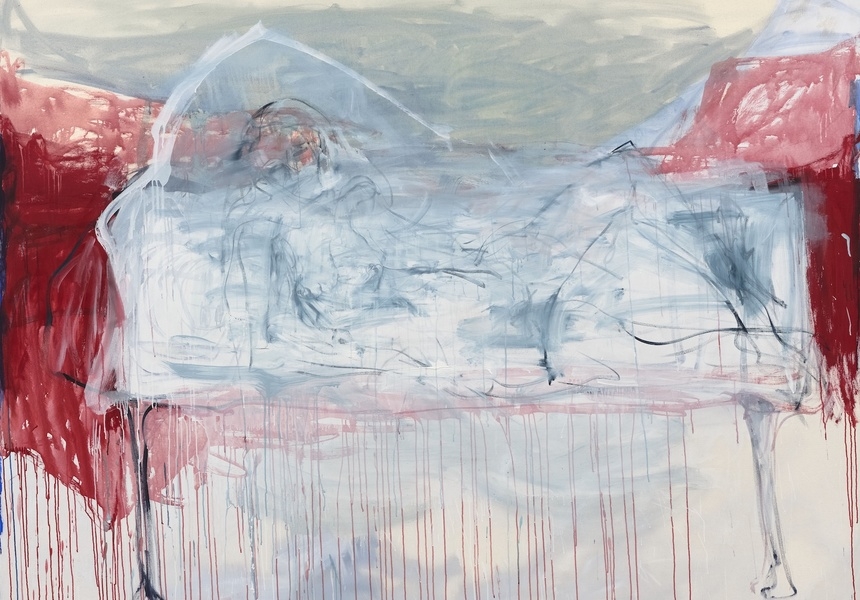
The Bridge is Baxter’s favourite painting of Emin’s.
“It's a massive canvas with a female figure that seems to be lying across two banks of land like she’s the bridge, painted in hazy light pinks and light blue,” she says.
“More things come out the longer you stare at it, and it’s interesting for people to see the spontaneity or impulsiveness of the way Tracey paints straight onto canvas.”
Tracey Emin: A Second Life runs at Tate Modern from February 27 to August 31.