When Mike Davies opened a batch of fermented gherkins he’d made for a supper club at his pub and restaurant The Camberwell Arms, he knew something was wrong. It was a recipe he’d used many times before, but instead of the vegetables’ usually delightful sweet, tangy crunch, his pickles were surprisingly bitter.
The culprit? This year’s extreme weather. Under stress from intense heat and drought, cucumbers can produce unusually high levels of cucurbitacin, a naturally bitter compound. Davies, who also co-owns Bermondsey butcher Farmer Tom Jones, served them anyway – paired with an explanation, so “people could understand the impact that the climate was having in a very immediate way”, he tells Broadsheet.
But Davies’s pickles are just one small example of a much larger problem. After a series of heatwaves and months of limited rainfall, Britain is on course to have endured its hottest summer on record for the second year running. According to analysis by the Energy and Climate Intelligence Unit (ECIU), this year’s cereal and oilseed harvest could fall to around 18.5 million tonnes, making it the worst since detailed records began in 1984.
“This is the first year where there have been simultaneous impacts across almost all sectors of farming,” says Tom Lancaster, ECIU’s head of land, food and farming. Early heatwaves damaged wheat and barley, before increasingly dry conditions began affecting livestock, potatoes and field-grown vegetables.
Chefs are cooking whatever manages to thrive
The consequences are already filtering into restaurant kitchens. Dan Fletcher, head chef at Morchella in Clerkenwell, works closely with Flourish, a small-scale grower near Cambridge. Its latest seasonal forecast contained lines through many of the vegetables that would ordinarily become available from September.
“Brassicas and all the things that would usually start to become available from September onwards are really suffering because they haven’t had the water,” Fletcher says. Cauliflowers, cabbages and kohlrabi are among those crops expected to be scarce, while several summer ingredients have finished earlier than usual.
For chefs, this means abandoning the conventional calendar and cooking whatever has managed to thrive. Morchella is likely to use more beetroot, potatoes, onions and spinach, some of which has been protected from direct sunlight inside polytunnels. Fletcher has also been serving more British octopus as warming seas bring greater numbers into local waters.
“I don’t always want to look at it as a negative,” he says. “You’ve got to look for the positives and look for the things that are thriving.”
Supermarket shelves will start to look different
Restaurants may be nimble and imaginative enough to rewrite menus, but supermarkets can’t adapt so easily. Harry Dyer, co-founder of Shrub Provisions, supplies produce from small farms around Britain to restaurants including The Camberwell Arms.
According to him, the season began promisingly. Abundant sunshine produced intensely flavoured stone fruit, including peaches and nectarines grown in Kent. But as farms’ water reserves dwindled, crops matured too quickly, bolted or became too costly to irrigate. Some growers have decided that planting another succession is simply not worth the labour, water and risk.
Dyer expects shorter British seasons, gaps in availability and smaller carrots, cabbages, celery and orchard fruit. Imports may offer little protection when farms across Europe are facing the same extreme conditions. “I think when it comes to late autumn, winter and then spring, it’s going to be a very interesting time in terms of what our food supply looks like on supermarket shelves,” he says. “I think it really is going to be pretty thin shelves.”
The drought’s effects will not end with vegetables, either. Ordinarily, cattle and sheep spend summer feeding on grass while farmers preserve hay and silage for winter. This year, dry pastures have forced many to begin using those reserves months early.
“It is having a material impact both on the products and the costs of production,” Davies says. Lancaster warns that farmers may have to buy expensive winter feed or reduce their herds, placing further pressure on already high beef and lamb prices. Drought has “a really long tail”, he says, particularly when extreme summers arrive back to back.
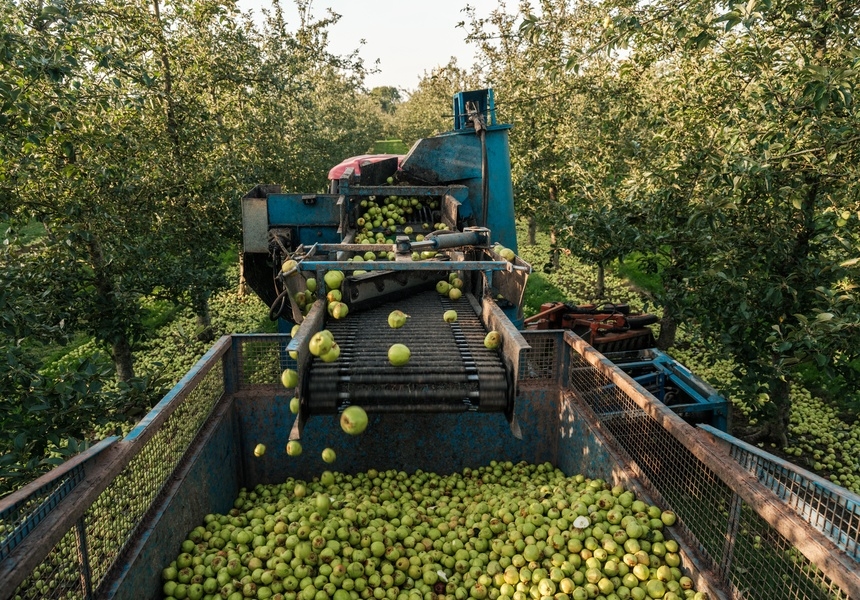
At Showerings Cider in Somerset, the problem is the size of the apples its orchards are producing. Sunshine has promised unusually sweet fruit, yet the lack of rain means the apples contain far less juice. The company expects to harvest around 1000 tonnes this year, compared with its usual 2000 to 2500 tonnes.
“You get the same amount of apples, but they’re just extremely small,” founder Nick Showering says. “There’s a severe lack of juice to make cider.”
Showerings blends three vintages and can draw on reserves dating back to 2020, so next year’s supply is protected. But repeated droughts could force cider makers to reduce production, use less juice or increase prices. “Too many more of these seasons and we’ll start to run out of cider ourselves,” Showering says.
Wheat and wine are more complicated
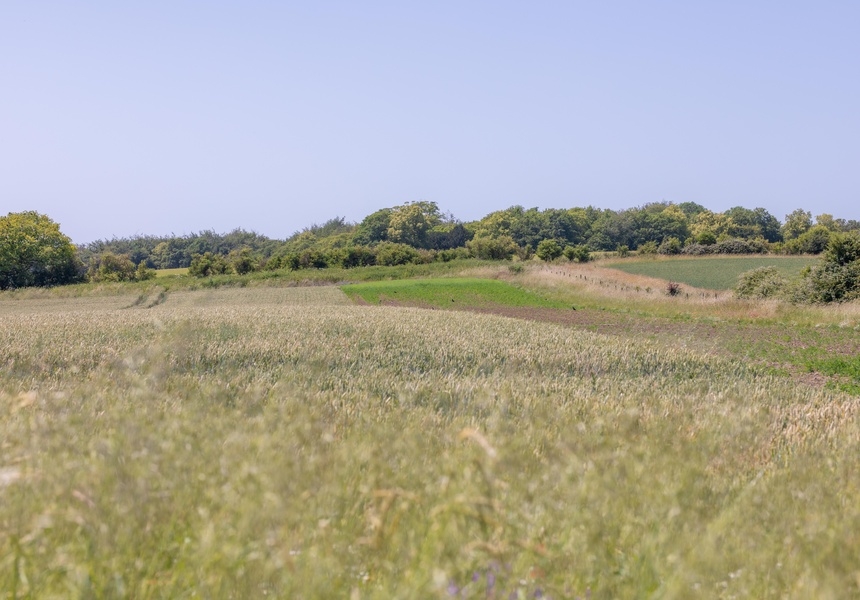
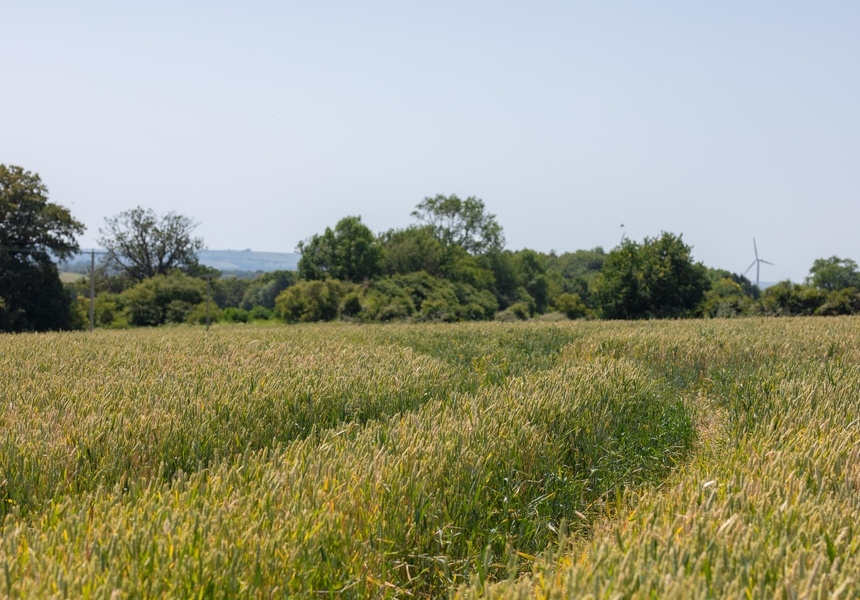
According to Lancaster, wheat is more nuanced. Britain’s overall cereal harvest is expected to be exceptionally small, but the wheat that has survived is generally good quality. Warm, dry conditions, he says, help grain meet milling standards, meaning Britain may still produce a typical amount of flour.
A poor domestic harvest won’t necessarily make bread and beer more expensive, either. Wheat and barley are generally traded globally, and Britain is not a large enough producer to determine their prices. “The biggest losers, really, out of the poor cereal harvest are farmers,” Lancaster says.
After producing less grain for the third consecutive year, some are considering leaving large areas unplanted this autumn rather than sowing into exceptionally dry soil. That could reduce the area harvested in 2027, extending the effects of this summer into next year.
Wine is also complicated. At Hattingley Valley in Hampshire, chalk soils retained moisture from a wet February, helping established vines survive the drought. Head winemaker Rob MacCulloch expects excellent quality, but small berries and light bunches mean lower volumes nationally. Heat-stressed grapes also have thick skins, high acidity and the potential for more bitter flavours.
The vineyard began picking on September 1, around four weeks earlier than usual. “Everyone is quite excited about the potential quality,” says MacCulloch. “But we are also very worried about how the climate is veering from one extreme to another.”
Looking ahead
Nevertheless, there are a few reasons to be optimistic – if you’re prepped for climate change. At his National Trust farm, Wildfarmed co-founder Andy Cato recorded some of his highest winter-wheat yields despite the drought. He attributes this to his regenerative methods that improve soil structure and allow it to absorb and retain more water.
“The soil is the one reservoir we have to work with,” he says. “We know how to do it, and we know that it works. It’s just a question of doing it at scale and quickly.”