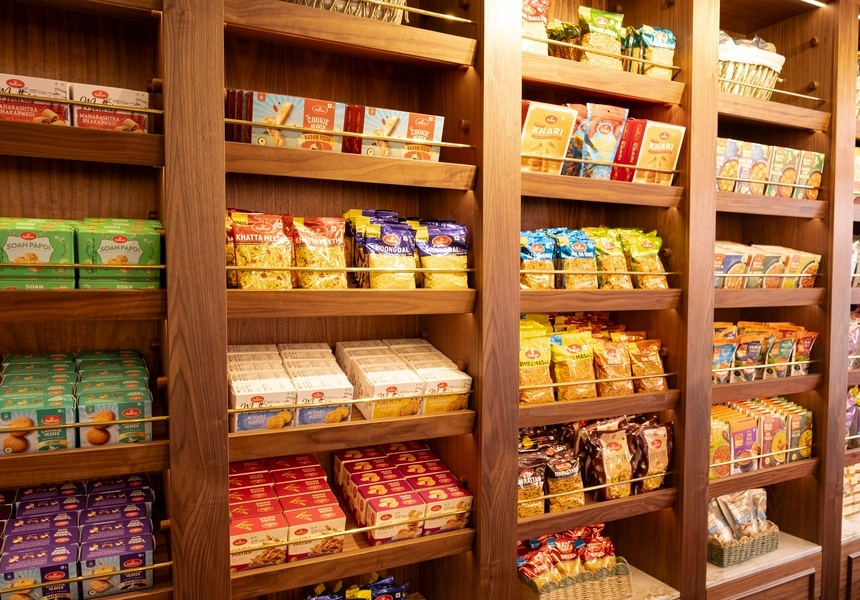
If you’re not one of the millions of people for whom Haldiram’s is a fixture of everyday life, you’ll certainly recognise the brand from supermarket shelves. Its bright packets of aloo bhujia, Bombay mix and other namkeen fill kitchen cupboards across India and much of the Indian diaspora, while its boxes of sweet, decadent mithai are regularly carried to and from celebrations.
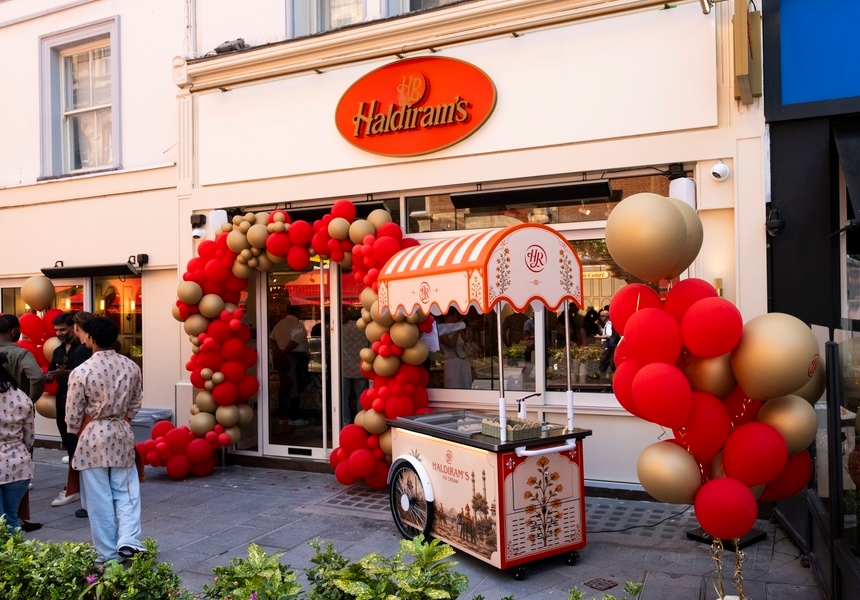
It’s exported its packaged products to Britain since the 1990s, and now the company has unveiled its first UK restaurant on Irving Street, just off Leicester Square.
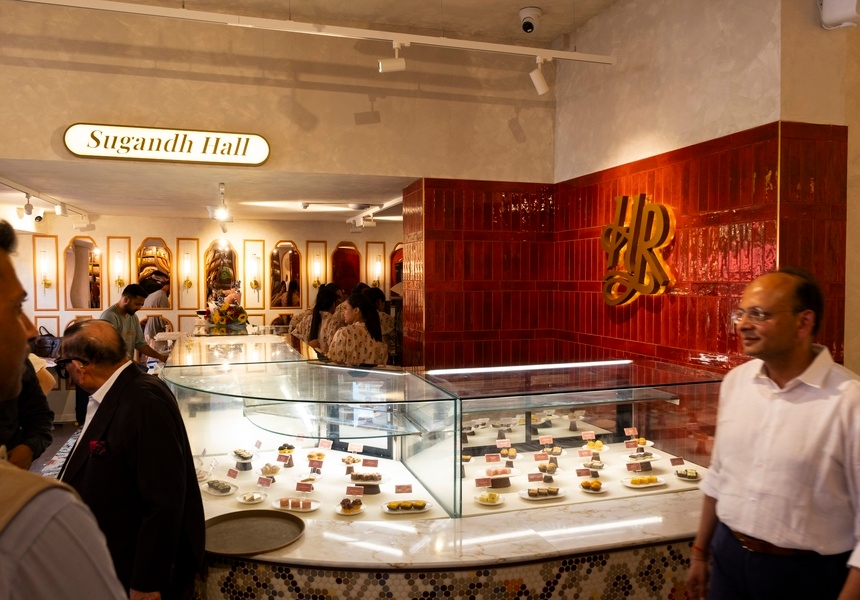
Part shimmering showroom, part eatery, the opening is led by Rhea Agarwal, Haldiram’s UK and EU director of business development and a third-generation member of the founding family. She describes the restaurant as a means of reaching diners who don’t yet know quite how much the brand offers.
Founded as a small shop in Bikaner, Rajasthan, in 1937, Haldiram’s has expanded into more than 80 countries and operates more than 200 restaurants in India. But its London debut takes a slightly different tack to the fast-paced, quick-service restaurants the company is known for at home.
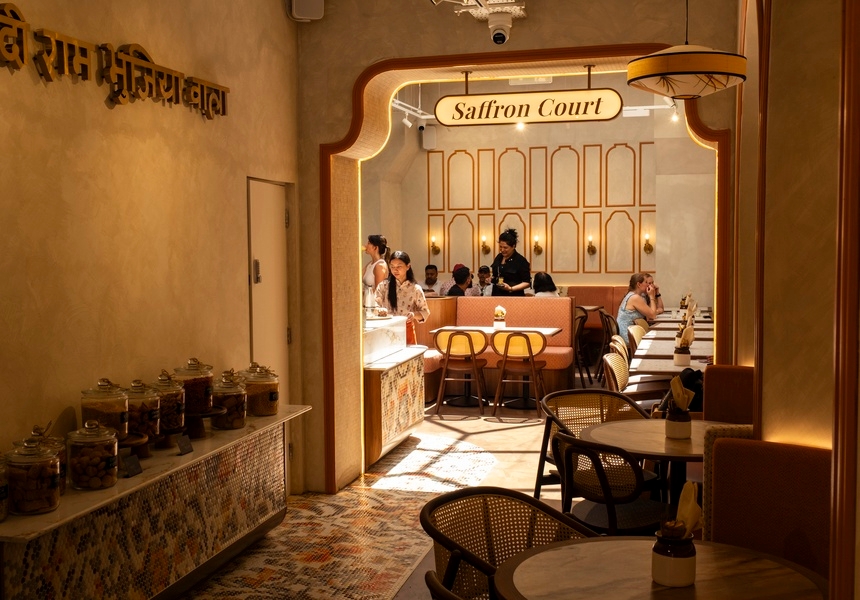
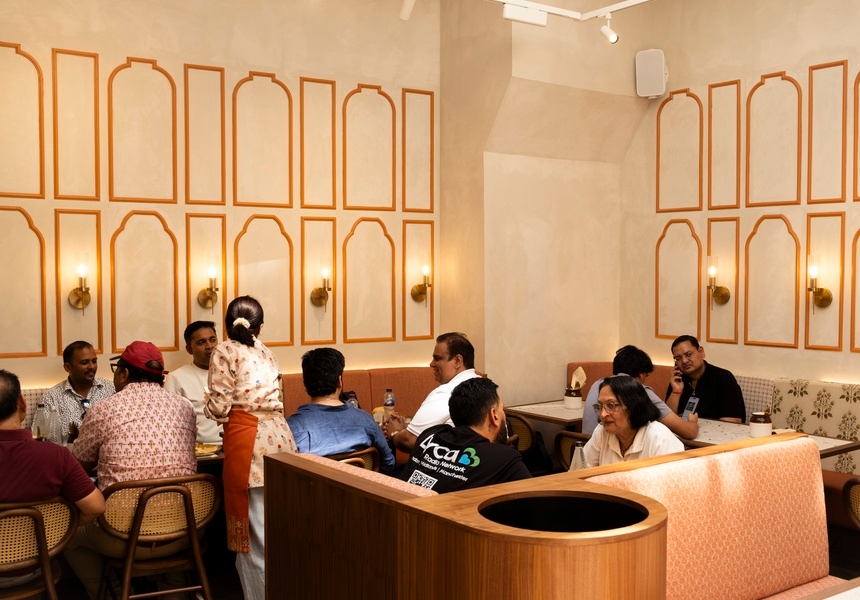
The warm, tactile dining room draws on Haldiram’s roots in Rajasthan, balancing what Agarwal describes as traditional Indian details with a more polished contemporary feel. “We’ve sort of tried to recreate the look of Bikaner in this store, with certain modern elements,” she tells Broadsheet. “It’s a blend of both.”
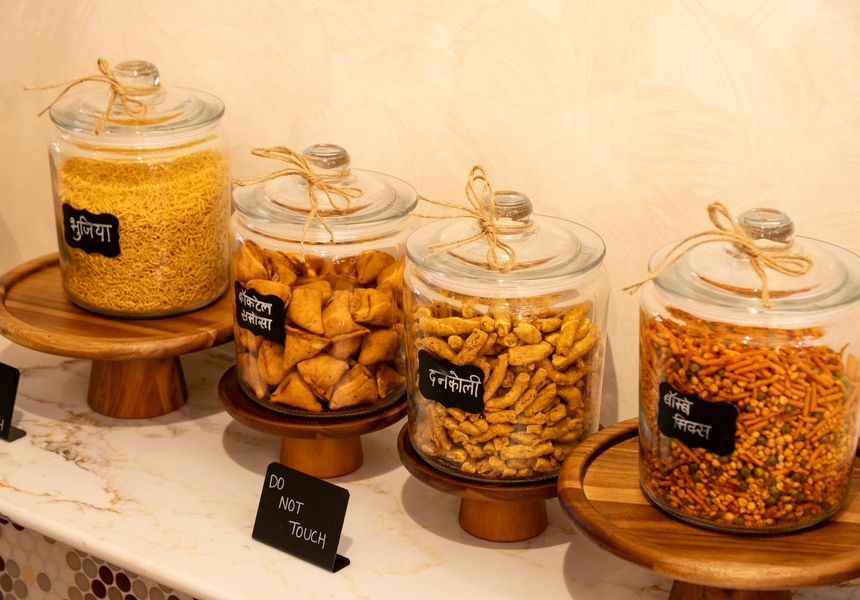
Grand arches, botanical-patterned wallpaper and block-print upholstery brush up against modern mosaic tiles, lime-washed plaster walls and terrazzo table-tops. A wall displays namkeen in large jars, alongside a reproduction of the signage from Haldiram’s original 1937 shop. “We want people to feel nostalgic when they look at it,” Agarwal says.
The balancing act continues on the menu. The company has resisted interfering with the dishes that regulars expect, particularly its signature chole bhature, a rich, spiced chickpea curry with large poufs of fried bread. “There are certain customer favourites which we absolutely cannot touch at all,” Agarwal says. “If you walk into a Haldiram’s restaurant, you’re going to find it on every table, literally every table.”
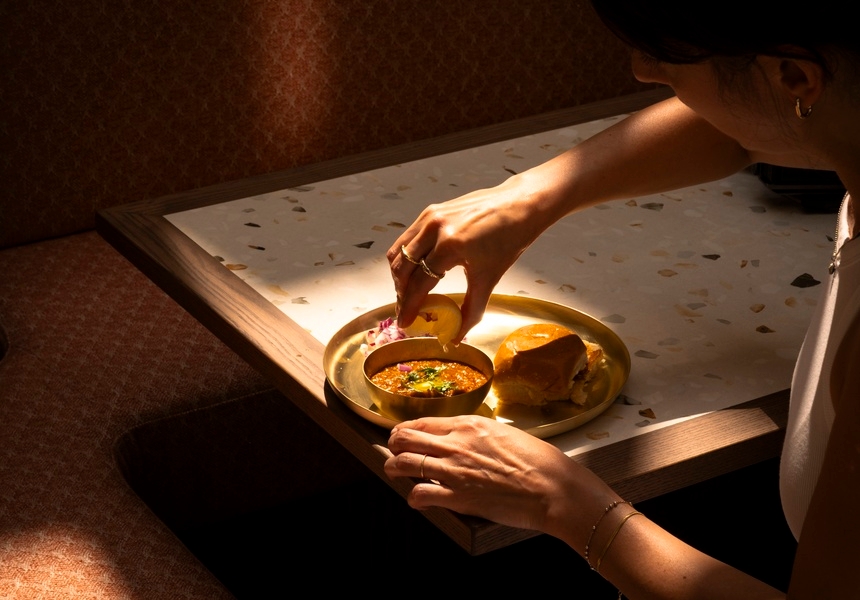
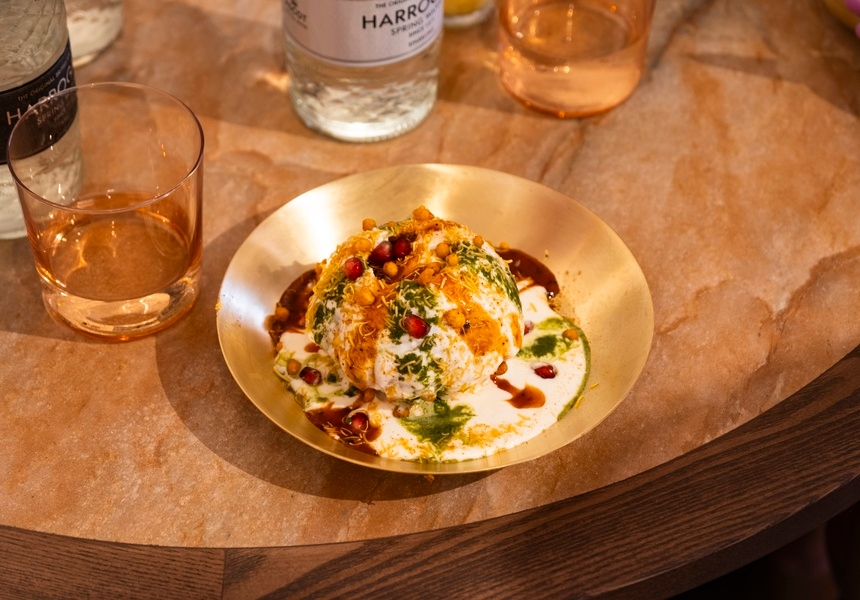
Other established favourites include pao bhaji, a moreish Mumbai-style vegetable curry served with bread rolls, and raj kachori, a crisp, hollow shell filled with potatoes, pulses, yoghurt, chutneys and spices.
For London, the team has added dishes it expects to particularly appeal to British diners, such as sweet potato bites, spinach pakora and onion bhaji. The opening menu concentrates on North Indian food and chaat, with South Indian dishes and an Indo-Chinese section planned for a later phase.
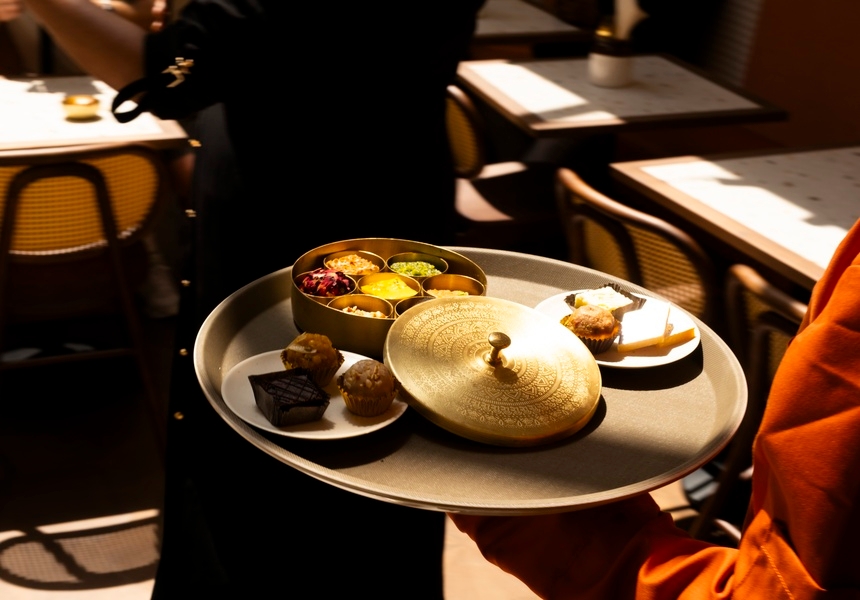
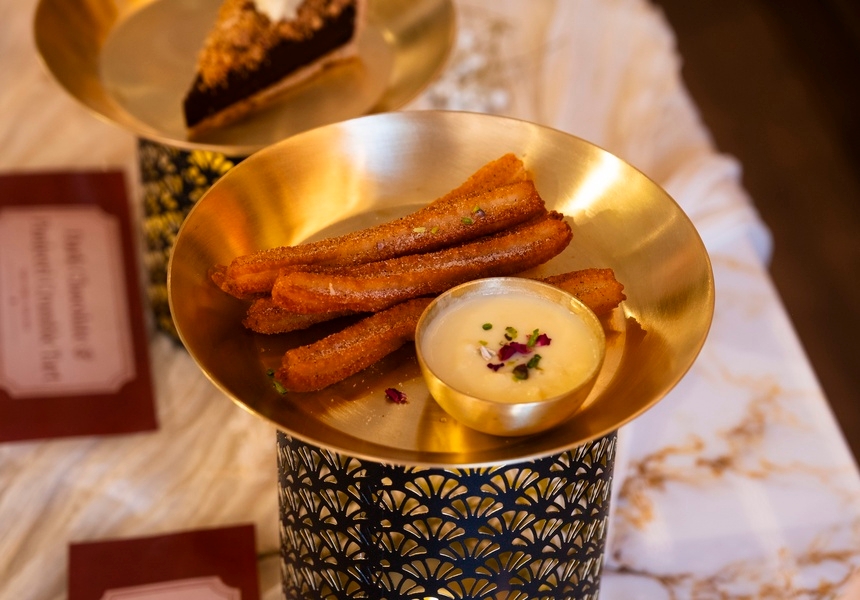
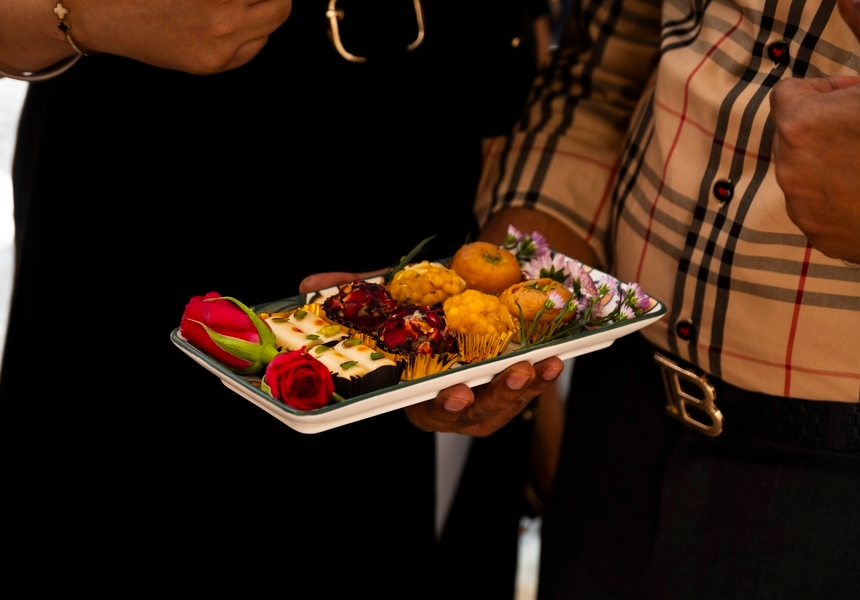
For dessert, traditional mithai remains available by the piece at the counter, while a separate inventive à la carte dessert menu reimagines familiar Indian sweets. “We’ve tried to showcase our Indian desserts in a way that the young generation would be really open to trying,” Agarwal says. Shahi tukda – usually made by soaking fried bread in sugar syrup before topping it with thickened sweetened milk – replaces the ladyfingers in a new egg-free tiramisu. Gajar halwa – a carrot pudding made by cooking the grated vegetable in water, milk, sugar, and cardamom – is wrapped up in into a crisp spring-roll pastry and served hot with vanilla ice-cream.
Haldiram’s is alcohol-free, so drinks include masala chai; lassis; shikanji – a lemon drink made with sugar and spices; and aam panna, a sharp, cooling drink made from raw mango.
More British restaurants are part of the long-term plan, and Agarwal is excited to put her third-generation stamp on them. “I’m still able to carry my family’s legacy,” she says, “but create something from scratch.”
Haldiram’s
19–20 Irving Street, WC2H 7AU
Hours:
Daily 11am–11pm