Japan has no shortage of well-known walks. The Nakasendo snakes across the central mountains, offering glimpses of Edo-period post towns, ancient tea houses and tranquil waterfalls along the way. South of Osaka, Kumano Kodo is a 1000-year-old mountain route connecting three sacred Shinto shrines – a pilgrimage to rival the Camino de Santiago. And, this autumn, a quieter contender is joining the fold. Six years in the making, the Hitachinokuni Long Trail will finally be complete: a roughly 320-kilometre route winding through the mountains, forests and rural communities of northern Ibaraki Prefecture.
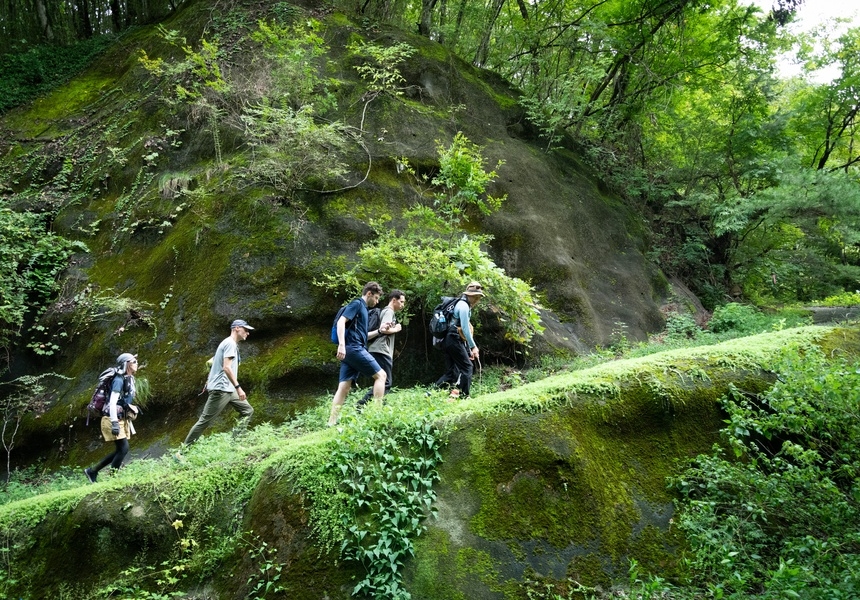
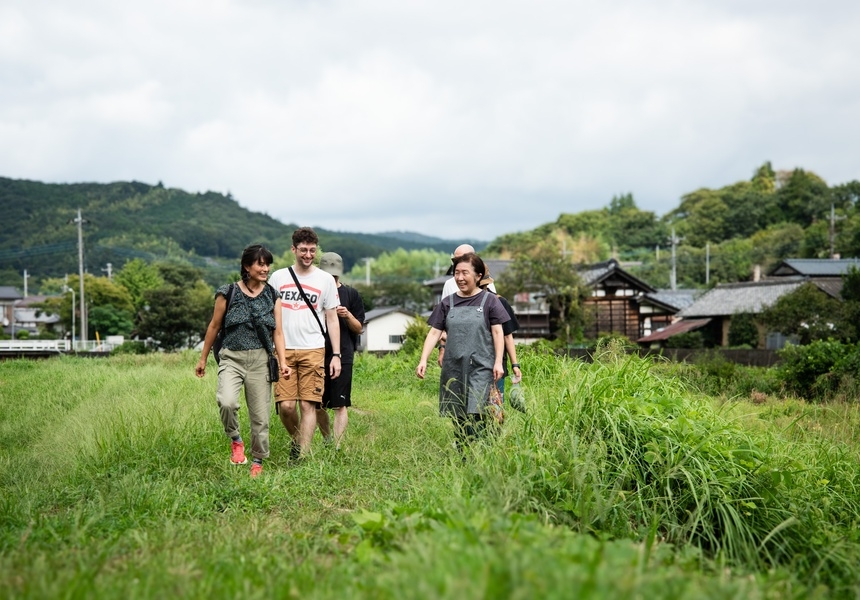
A 90-minute train ride from Tokyo, this Pacific-bordered province feels refreshingly disconnected from the Japan most visitors know. The trail threads together six municipalities, linking existing hiking routes with newly spruced-up sections built with the help of local communities. Here, dense forests give way to tea fields, waterfalls, ridgelines and villages that have changed remarkably little over the centuries. It’s a journey through satoyama – the liminal landscape between mountain, farmland and woodland that embodies a way of living in harmony with nature and with each other.
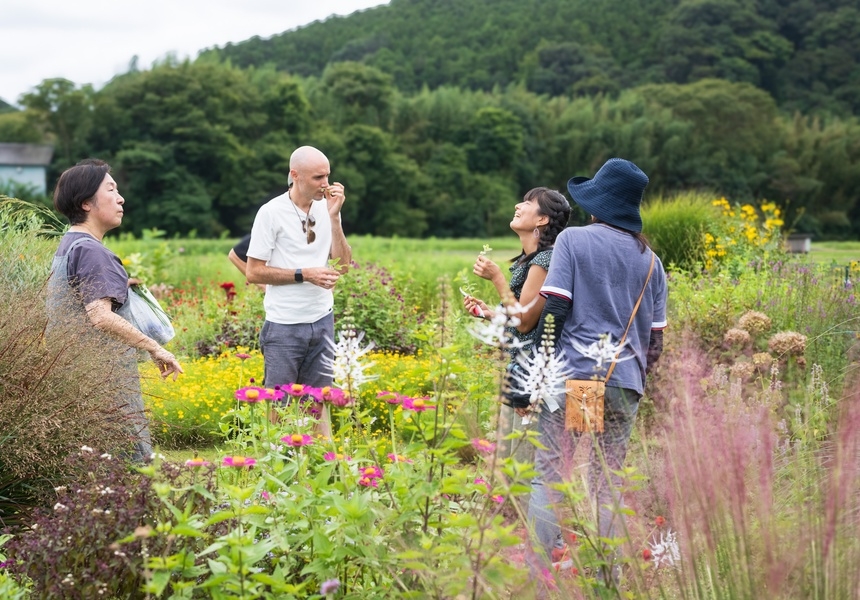
The passion project of keen hiker and head of the Hitachinokuni Trail Club, Ikuo Wada, the meandering Hitachinokuni Long Trail reflects that philosophy, reviving forgotten footpaths while linking communities across the region, attracting visitors from Japan and overseas, and showcasing the area’s rich local heritage. It is cared for by Wada’s volunteer-led club, whose 900-plus members help maintain the route. The pace is deliberately slow: walking here isn’t about bagging summits or ticking viewpoints off a list. Rather, the trail encourages walkers to linger and experience a way of life untroubled by the passage of time.
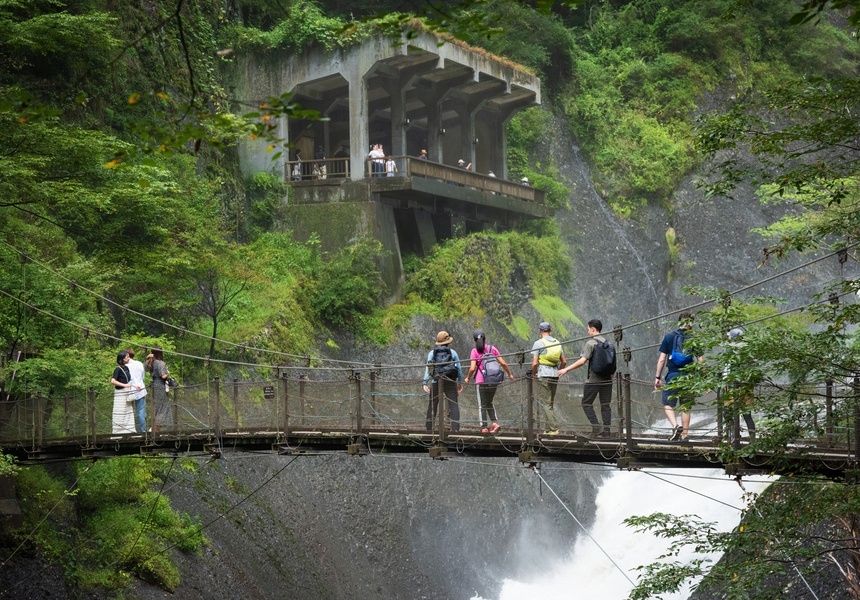
Not that the scenery lacks charm. The route passes sacred peak Mount Takasuzu and the Oiwa Shrine, past a 600-year-old cedar tree and, on clear days, sweeping views of the Pacific. Another popular spot is Fukuroda Falls, a four-tier waterfall. The dedicated trail to the falls is graded as moderate, with some steeper ascents, descents and crossing points, rewarding walkers with one of Ibaraki’s most iconic landscapes.
And don’t be daunted by the distances covered by the trail: it has been designed for committed hikers and nervous first-timers alike. While it can be completed over multiple days, excellent transport links mean shorter sections work just as well. Ramblers can walk for a morning, reward themselves with a wholesome lunch, then catch a train back to Tokyo before dinner. But an overnight stay allows for further exploration of the region’s culinary highlights, including richly marbled Hitachi beef, handmade soba, and orchards producing everything from fragrant pears to plump chestnuts. If your guesthouse happens to include an onsen, so much the better; after a day on the trail, soaking in mineral-rich waters feels less like a luxury than a necessity.
The Hitachinokuni Long Trail is part of a growing movement to encourage travellers to stray beyond Japan’s well-trodden Golden Route and experience the country’s quieter landscapes and close-knit rural communities. In a country celebrated for moving at extraordinary speed, it’s an invitation to slow down and tread a little lighter.
Created in partnership with the Japan National Tourism Organization.