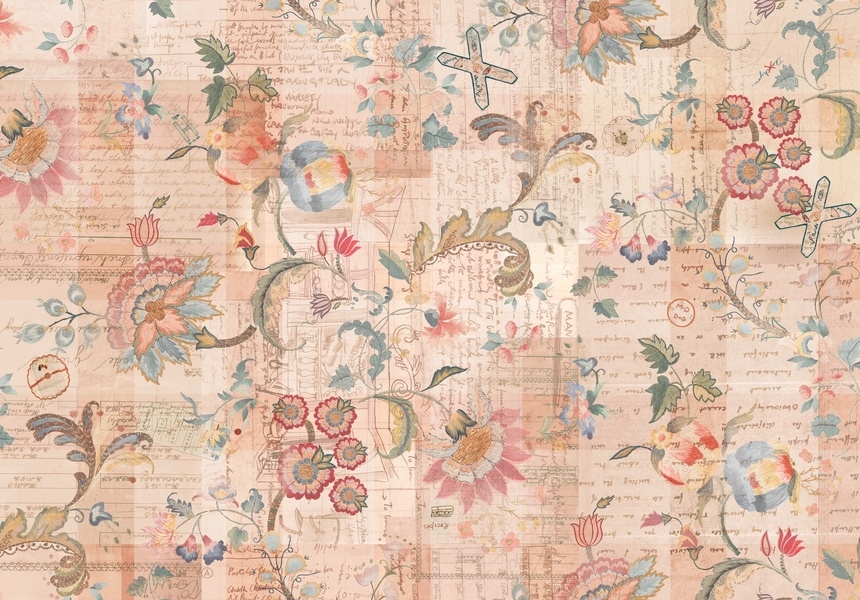
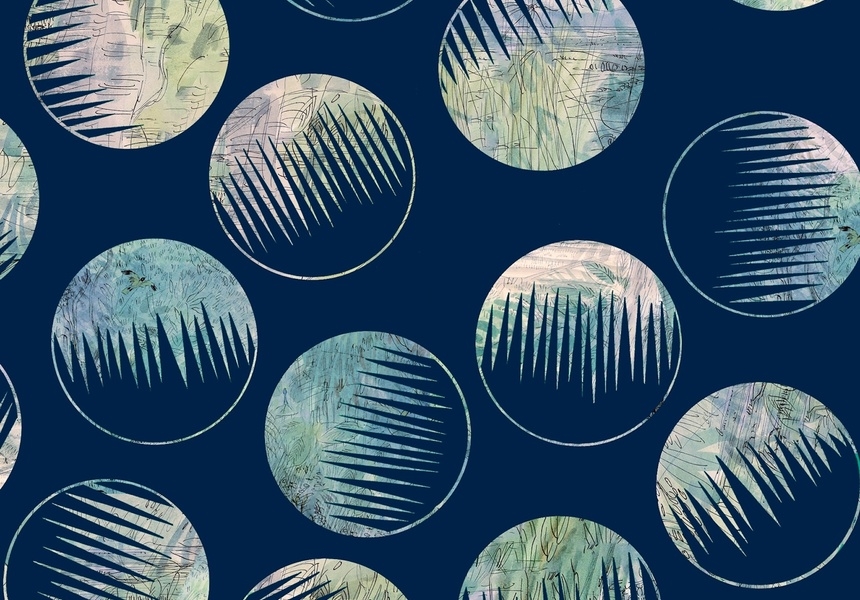
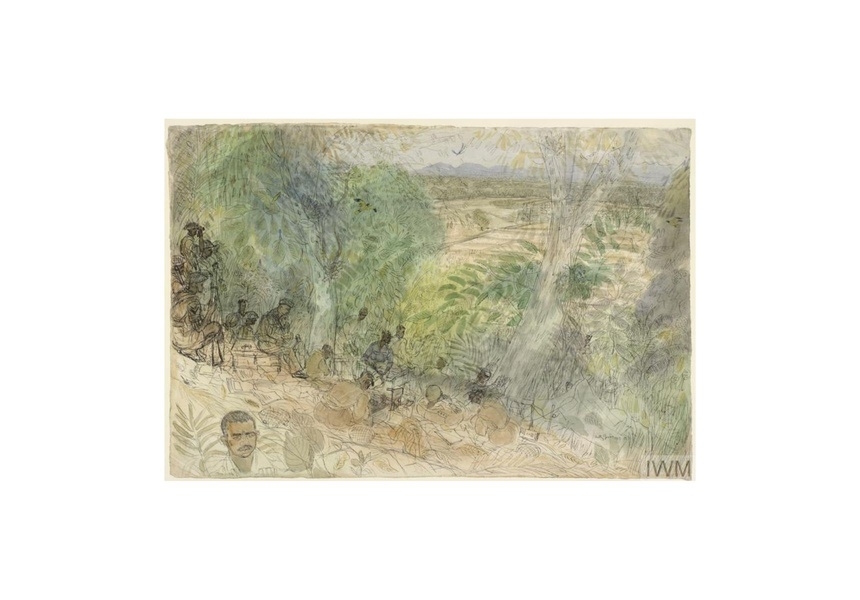
The Imperial War Museum has teamed up with design house Liberty and Iranian-British activist Nazanin Zaghari-Ratcliffe to create a fabric collection inspired by creativity during captivity. The three new designs are layered patterns incorporating handwritten letters from the IWM archive, sketches by Anthony Gross, who was Britain’s official war artist during World War II, and designs from Liberty’s print library alongside ideas and motifs inspired by Zaghari-Ratcliffe’s six-year imprisonment in Iran.
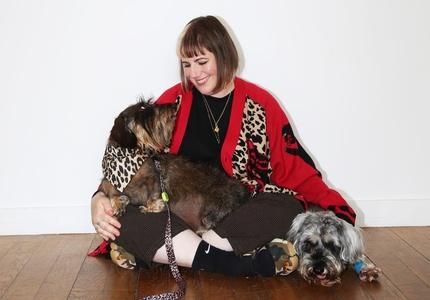
Zaghari-Ratcliffe was arbitrarily detained in Tehran while visiting her parents in 2016 and experienced solitary confinement, prison and house arrest before her release in March 2022, as part of a long-running dispute between Iran and Britain. Her story is told in the recently released BBC drama Prisoner 951.
While in prison, Zaghari-Ratcliffe made clothes with Liberty fabric to pass the time. When the team at the 150-year-old London brand discovered this, conversation about a collaboration began.
“I used to make baby clothes for my daughter Gabriella,” Zaghari-Ratcliffe tells Broadsheet, “but the Liberty fabric I had felt so special that it never felt right to cut it up and use it. But when I was in prison and I realised I wasn’t coming home anytime soon, I asked [my husband] Richard to bring that material. I thought I was saving it for something special but by that point I knew there was no point thinking about tomorrow, I didn’t know what would come.”
She tore the first delivery of fabric into strips to give to her fellow inmates in Tehran’s Evin Prison as it was so beautiful that she wanted to share it. Then, she began using it to make clothes for herself and her daughter as a coping mechanism. “That name felt very symbolic too.”
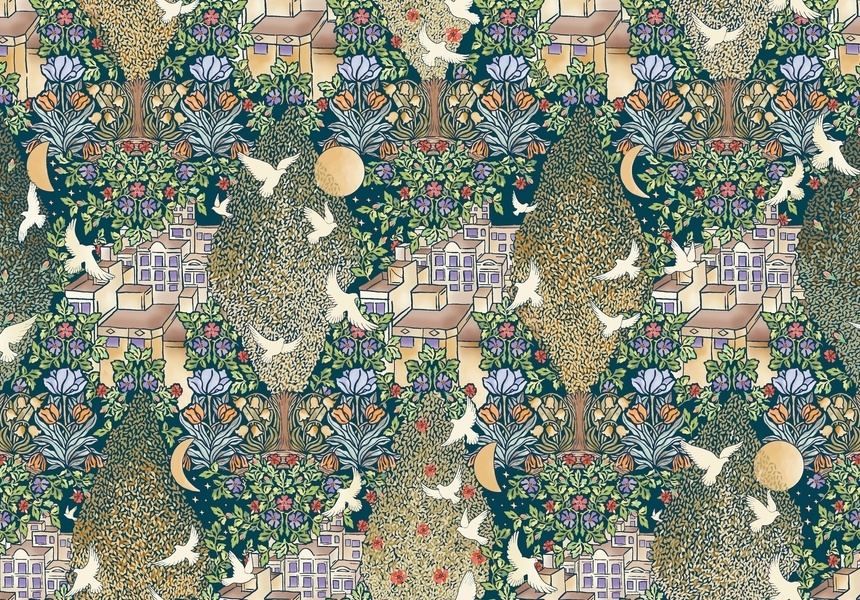
The fabric design she has created with Liberty, The Passage of Time, is inspired by her experiences in prison: rooftops seen from her cell, parakeets that flew above Evin. “There is also the moon because I feel a real affinity with the full moon and I didn’t get to see it for years. The prison doors shut before it rose,” she says.
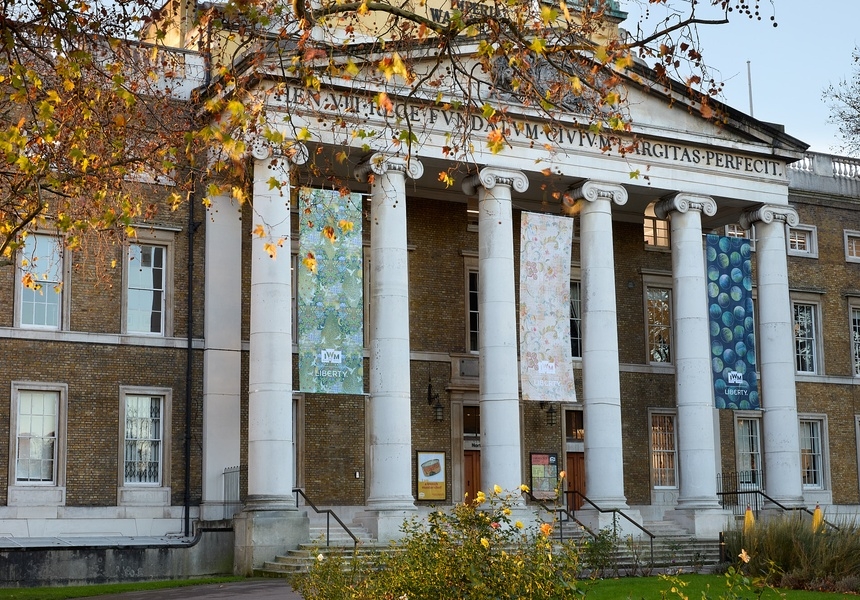
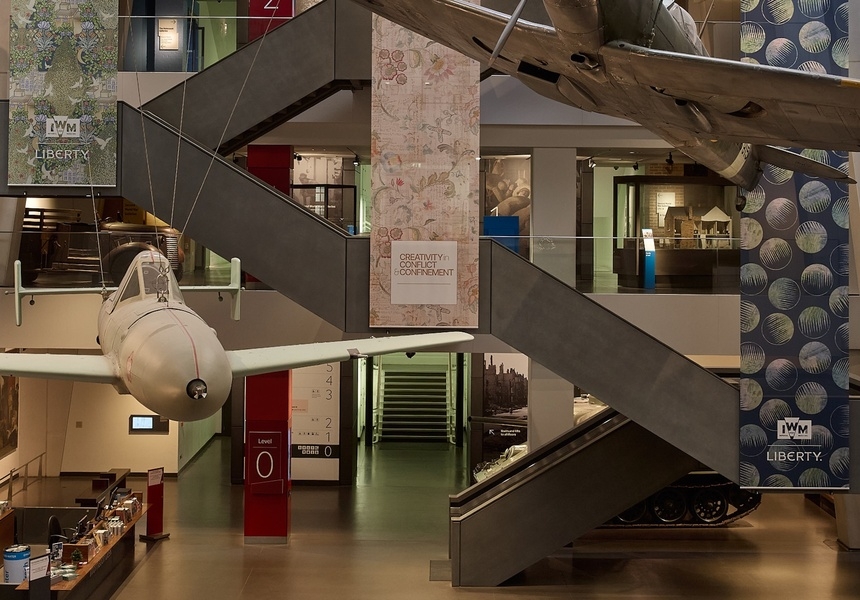
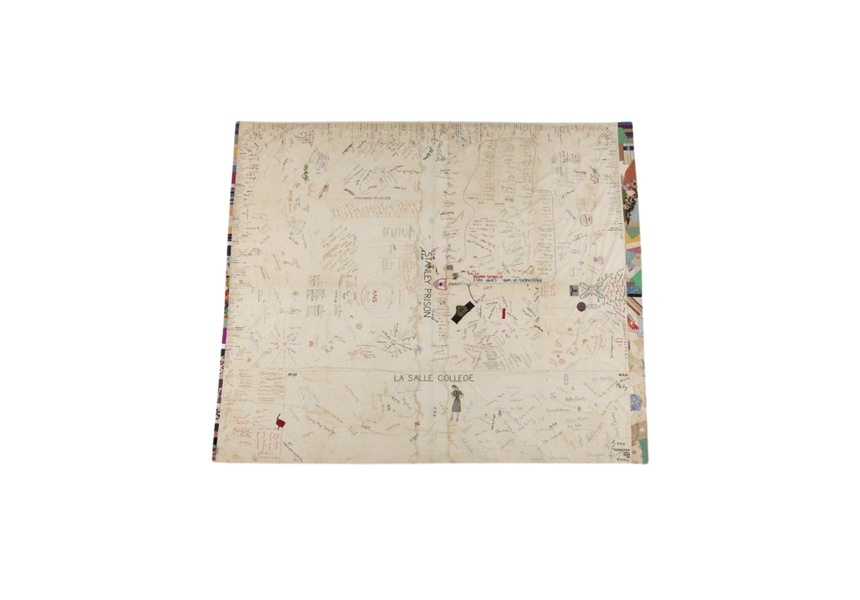
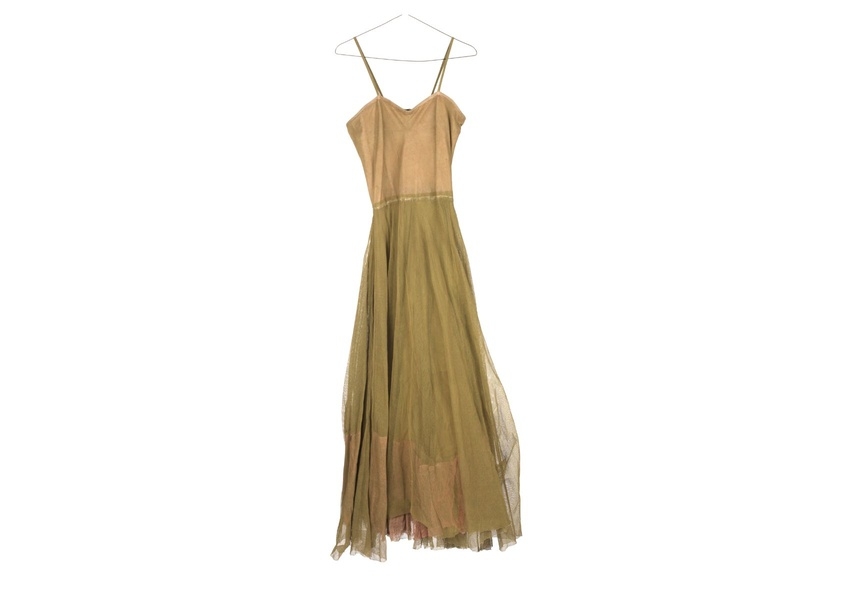
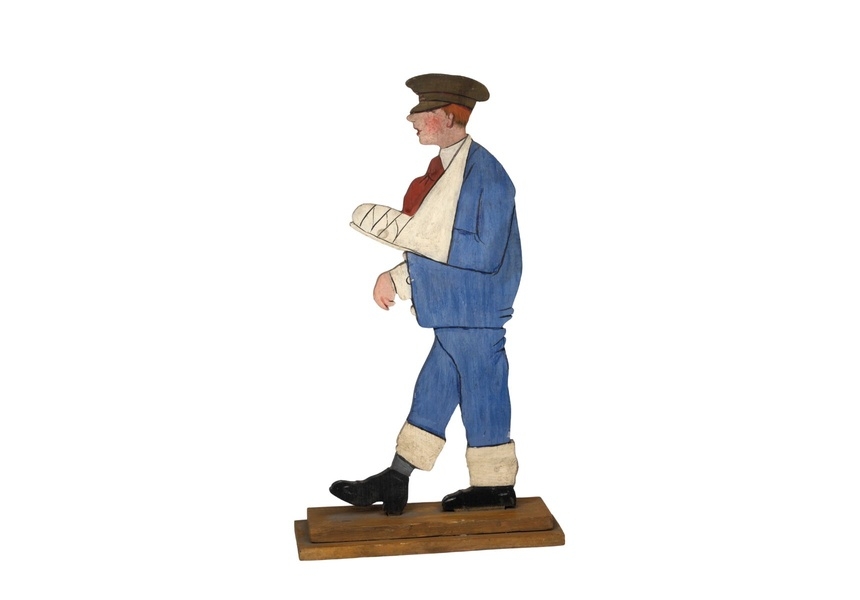
This design forms part of the Creativity in Conflict and Confinement collection. To mark the launch, The Imperial War Museum in Lambeth is displaying the fabric designs as large-scale installations, and has also created a trail of exhibits which explore the role of craft in providing hope and empowering during conflict. It includes the Day Joyce Sheet (a bedsheet embroidered by British nurse Daisy Joyce during her internment in Hong Kong in World War II), a dress fashioned from a mosquito net in a Japanese prisoner of war camp and a tiny cello carved as a birthday present by an inmate of Nazi Germany’s Ravensbrück concentration camp.
The three Liberty fabric designs are now available at the Liberty London department store in central London, and the IWM shop is selling scarves, ties and cushions made from the prints. Liberty will also donate 225 metres of the fabric to charity Fine Cell Work, which trains prisoners in needlework and craftwork to make products for sale, improving their skills and rehabilitation for life after jail.
Creativity in Conflict and Confinement is on show now at The Imperial War Museum as part of the free permanent collection.