

This week, the inaugural London Art & Climate Week will see the capital’s leading art institutions and galleries unite to acknowledge the industry’s environmental responsibilities and influence. The initiative is driven by the Gallery Climate Coalition, a network of more than 2000 international arts organisations that have committed to reducing the visual art sector’s carbon impact by 50 per cent by 2030, and art discovery app gowithYamo. It’s chaired by former Tate Modern director Francis Morris.
“The climate crisis is the defining issue of our time, and the visual arts have an important role to play,” Morris tells Broadsheet. “We hope London Art & Climate Week connects audiences to creative ways of engaging with the climate emergency and inspires action in the arts and beyond.”
Organisations taking part include the Tate Modern and Tate Britain, the Barbican Art Gallery, Whitechapel Gallery and the ICA. Entry to the exhibitions is either free or free during designated pay-what-you-can hours.
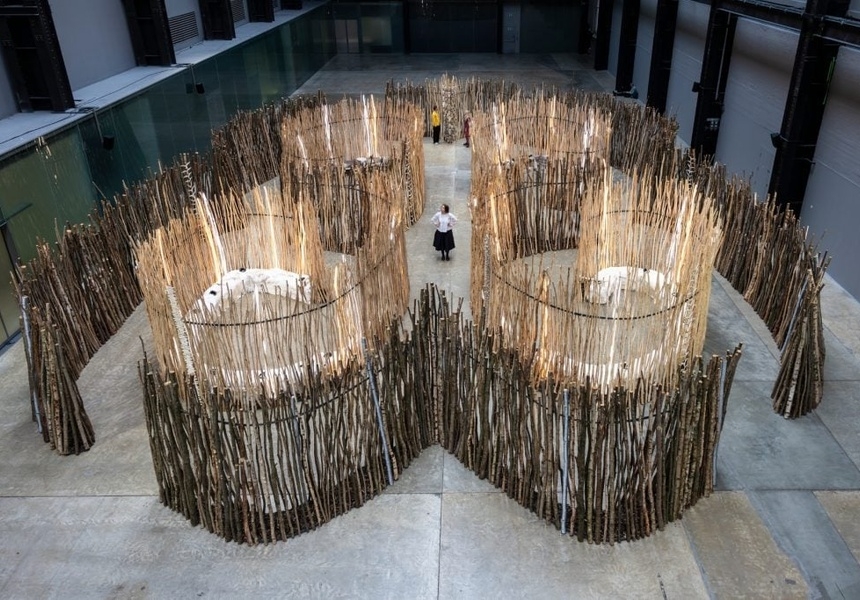
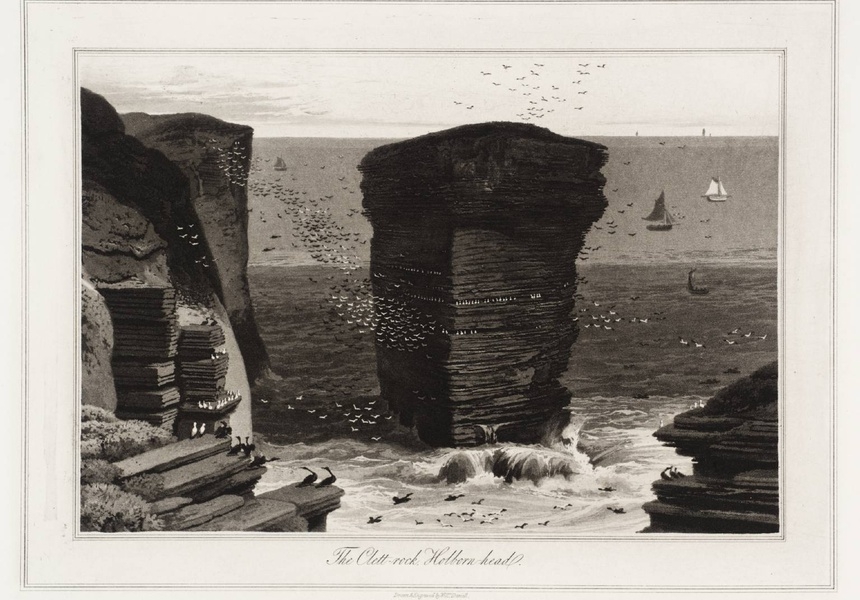
Timed to run alongside the COP30 global climate summit in Brazil, the week’s programme will also include workshops, tours and talks on the relationship between art and the environmental crisis. The programme is divided into three sections: South, East and West, with a designated art trail in each area to help visitors navigate the schedule. Highlights include Máret Ánne Sara’s installation in the Tate Modern Turbine Hall exploring ecological issues from the viewpoint of her native north European Sámi community; the Design Museum’s Future Observatory, Tools for Transition exhibition, which examines how design research can lead to a greener future; and the Cristea Roberts Gallery’s A Threatened Landscape group exhibition, with works themed around climate change.
More than 25 organisations are involved in the week. “As this is the inaugural edition, we were unsure what the uptake would be,” Morris says. “But once we began conversations with the community, the interest was overwhelming. Every organisation we are working with understands the value and need for this kind of public cultural statement on the climate crisis.”
Morris and the Gallery Climate Coalition team are already considering the potential of future events. “Given the strong positive response from our network, we see a lot of potential, both for institutions and audiences,” she says. “We’re excited to see how the public engages with the programme, and are thinking hard about what this could look like as an annual event, linking even more galleries and events across the city.”
London Art & Climate Week runs from November 12–16 at various venues across the city.