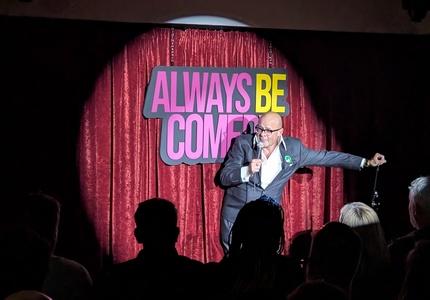
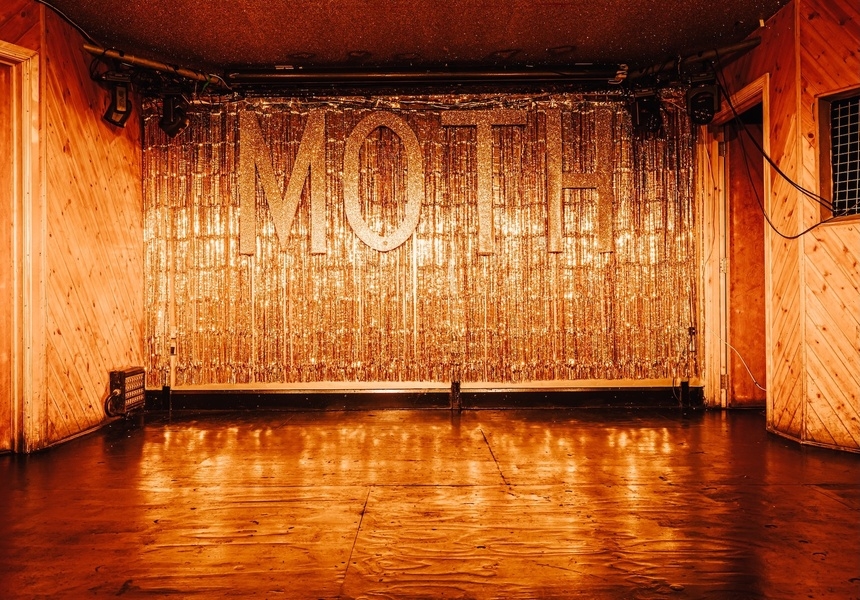
Hackney’s Moth Club is a special place. It opened in 1972 as a returned servicemen’s club for South Africa’s Memorable Order of Tin Hats (Moth). But over the last decade it has also become a go-to destination for rising artists and global superstars alike. Moth hosted early shows from the likes of Amyl & the Sniffers and the Last Dinner Party, and the likes of Lady Gaga and Dave Grohl have played surprise sets on its glittery gold stage. Just last year, Wet Leg previewed their second album there under the pseudonym Uma Thurman, while in 2021 Jamie xx, Four Tet and Skrillex popped up for a back-to-back DJ headline.
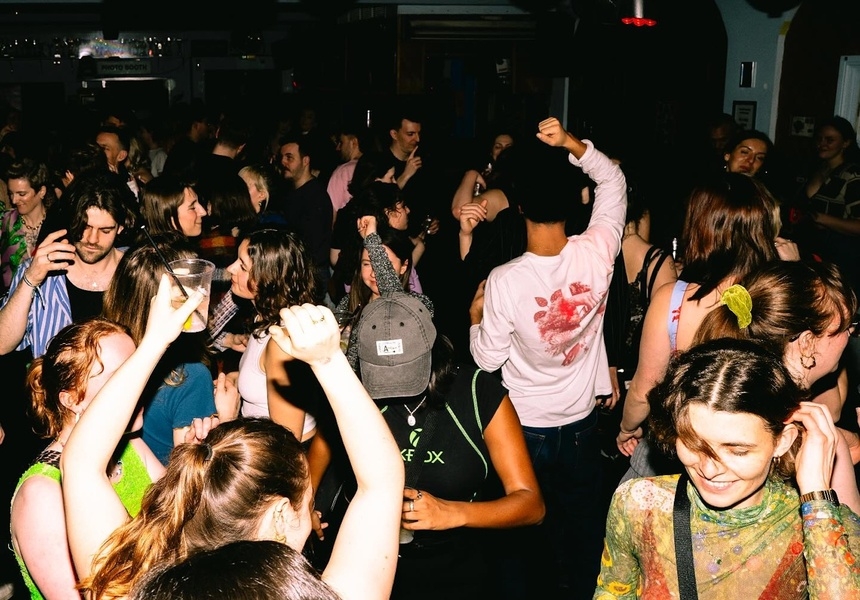
Somehow, the venue has remained a haven for both communities simultaneously. “One of my favourite things about the place is you’ll have this totally mixed crowd: the old boys in the front bar who’ve been drinking there for decades and have their secretive meetings upstairs, students turning up for a gig, and the same punters rolling in every Friday and Saturday for the clubs,” says Moth booker Keith Miller, of London promoters LNZRT (Wide Awake, Shacklewell Arms). “It’s a multi-use space that still feels like it belongs to Hackney.”
But all that history now hangs in the balance, as Moth Club fights a planning application for a new residential development that “will bring inevitable noise complaints and threaten its future”, the club stated on Instagram.
“Within a year, you’re dealing with restrictions, complaints and a general sense that you can’t operate the venue freely,” Miller says. “In five years, you’re either fighting constant battles just to stay open or you’ve been pushed into some compromised version of yourself. It’s predictable, and I’ve already seen it happen at [former indie sleaze stalwart, now Portuguese-inspired pub] The Macbeth in Hoxton, not far away.”
The Moth team has repeatedly contacted Hackney Council and key local governing figures but received little engagement, despite a public petition opposing the plans attracting more than 27,000 signatures. The venue has also published a list of industry supporters backing its cause, including Lewis Capaldi, Tame Impala and Hot Chip. A decision on the planning application is imminent.
“The best thing people can do is make noise, write objections, share it online and talk about why the venue matters. Councils respond when something starts to look politically risky for them, so the more it’s clearly a community issue, the better,” says Miller. “We’re hoping that pressure forces the planning committee to rethink or at least put conditions in place that actually protect us long-term.”
To lose Moth Club would be a huge blow for London’s live music circuit, but, as Miller explains, the conversation is also bigger than just one venue. “Without venues this size, nothing else works. You don’t get mid-level touring bands without early level rooms. You don’t get festival headliners without somewhere for them to cut their teeth. And beyond the industry stuff, places like Moth are cultural hubs: they hold scenes together and they give young artists a shot. Once they’re gone, they don’t come back. And the UK has already lost enough of them.”