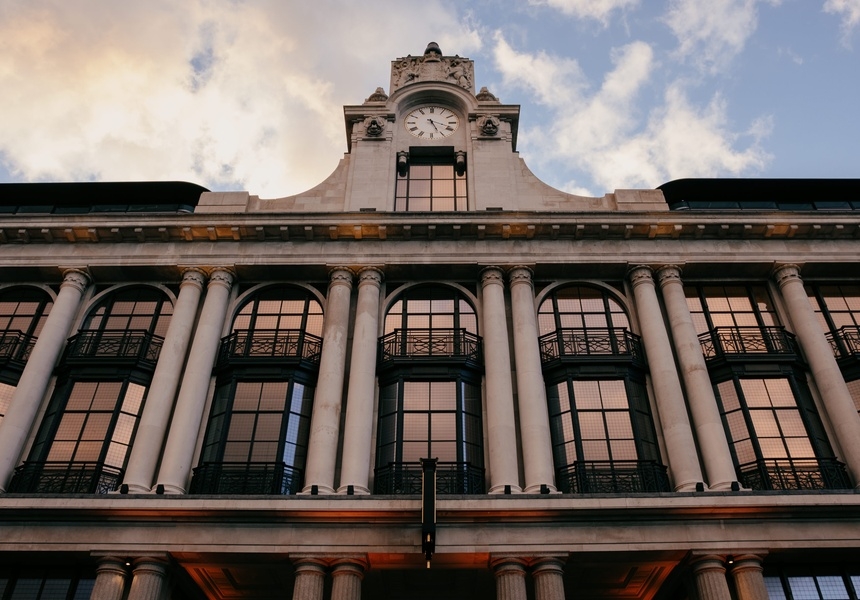
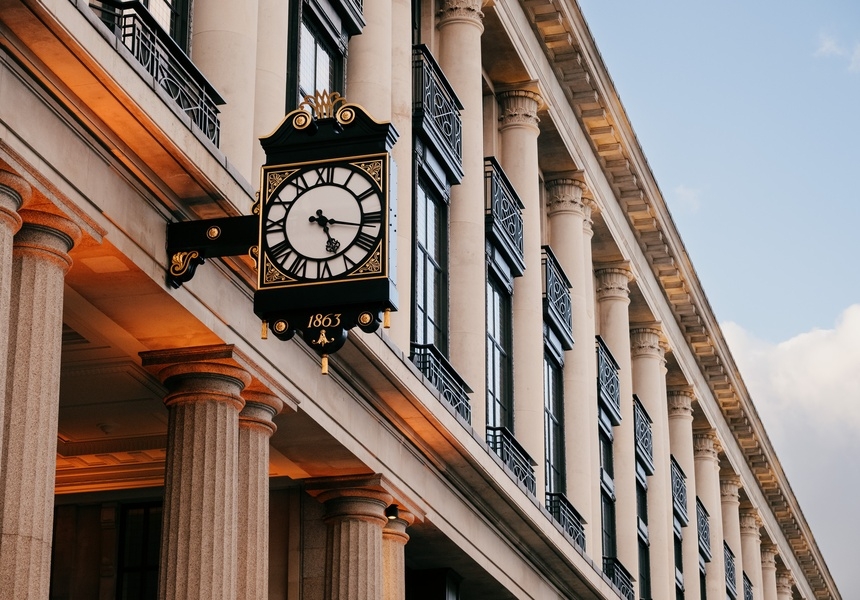
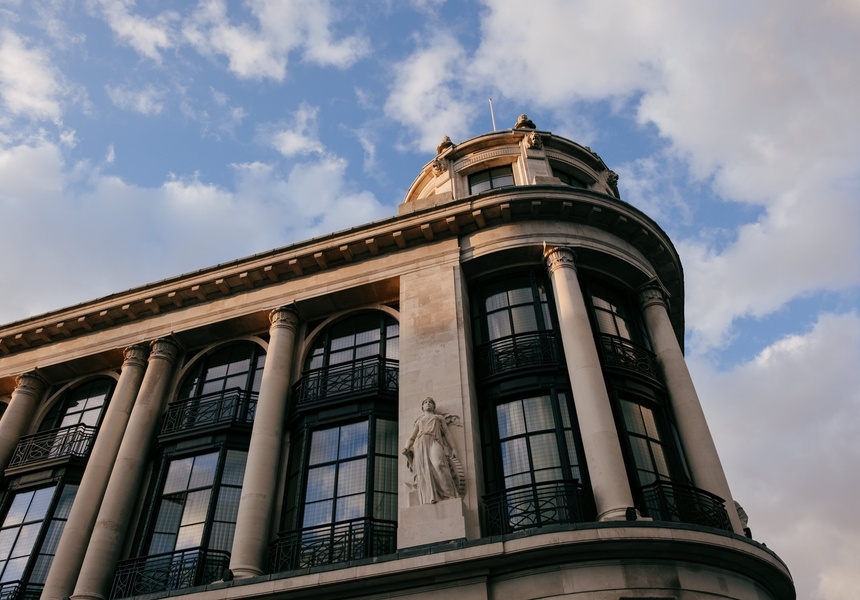
Speak to west Londoners of a certain age and Whiteleys shopping centre probably brings back memories – birthday parties at McDonald’s, blockbusters at the cinema, visits to Santa beneath the towering Christmas tree.
Now, eight years after the centre closed, the landmark Bayswater building has reemerged as Six Senses London, the UK debut from the globe-spanning luxury hotel group with wellness and sustainability at its core. The amenities are a little fancier than in its previous incarnation, but a desire to create lasting memories lives on.
“It's a nice tool to work with,” says general manager Nick Yarnell. “I think we've got no excuses not to do something really special here.”
Six Senses is best known for its far-flung, environmentally attuned resorts – a scattering of lodges in rural Bhutan, a clifftop retreat in a secluded Vietnamese bay, a shoreside complex in Oman where guests can arrive by paraglider. London marks only the second city venture for the group, after a Rome outpost opened in 2023.
“Our approach everywhere is to make places that are meaningful, that engage with local history and culture,” Yarnell says. Here it began with a dig around the Westminster archives for old articles and books relating to Whiteleys’ past as the city’s biggest department store (it opened in 1911 with theatres, restaurants, art galleries, a menagerie and Europe’s longest facade). “Six thousand people worked in this building, to give you an idea of scale,” Yarnell says.
Its founder, William Whiteley, was a self-declared “universal provider” whose mission was to stock anything and everything a Londoner might need or want, from dressmaking pins to actual elephants. By all accounts he succeeded.
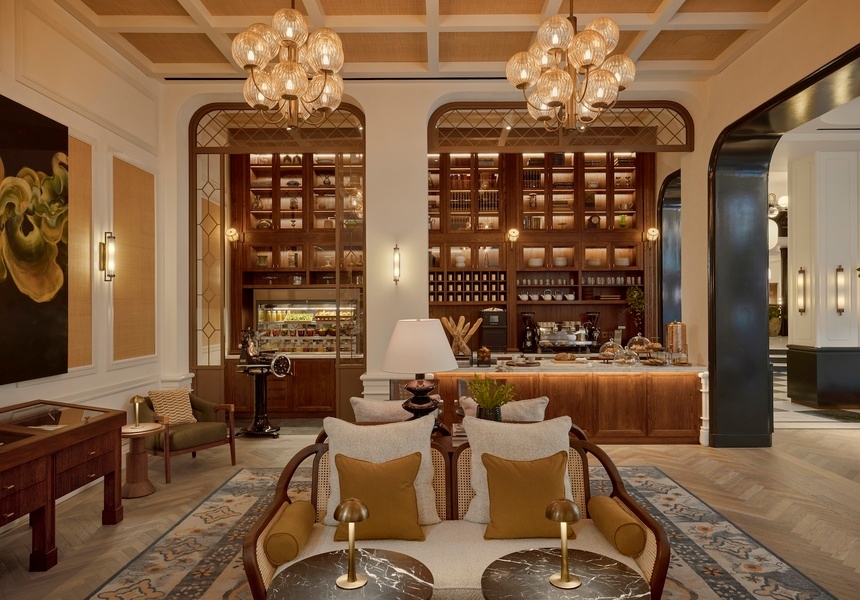
Plenty of original features remain, including the showpiece central staircase inspired by La Scala, its ironwork restored by hand in a Devon factory and reinstalled. Ascend it and arrive in Six Senses Place, a relaxed, wellness-focused members club – the group’s first. “There's a lot of great social clubs, and there's a lot of great fitness clubs,” says Yarnell. “But there's very few trying to do both in one building.” Early programming included events exploring the musical prowess of mushrooms and the healing power of trees.
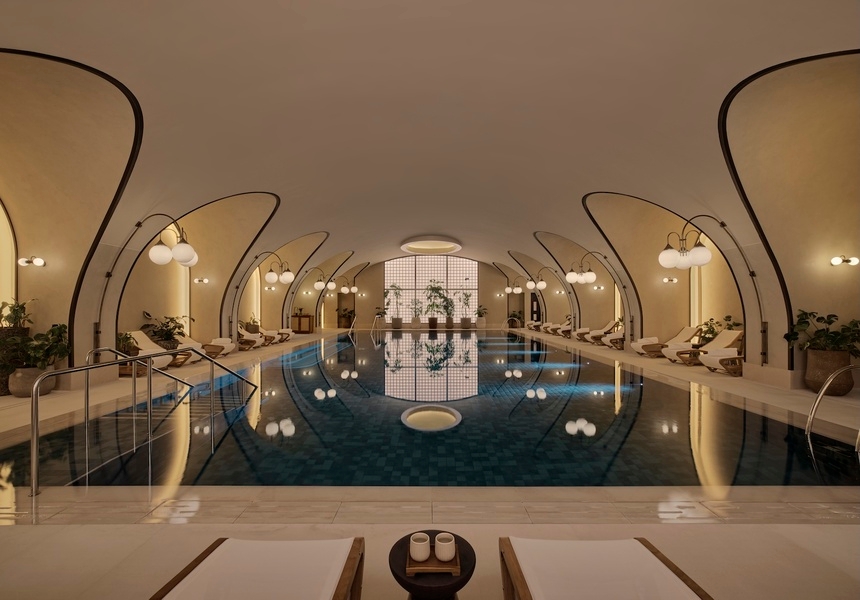
The vast basement level is home to the hotel’s headline act: a no-expense-spared spa with lofty archways inspired by old tube station design and featuring, among other things, a focal point 20-metre pool, a magnesium pool, a floatation pod, cryotherapy chambers, six treatment rooms with a roster of visiting practitioners, a 325-square-metre fitness centre and a herb-scented alchemy bar. “One of the fun challenges we had here in London was figuring out the local healing tradition,” explains Yarnell. “It didn’t take long for us to realise that since druid times we’ve known a thing or two about plant healing in this country.” And so Charlotte Pulver, a seventh-generation apothecarist, herbalist and expert on London’s springs, wells and waterways (and long-time resident of the neighbourhood) has been installed as head alchemist.
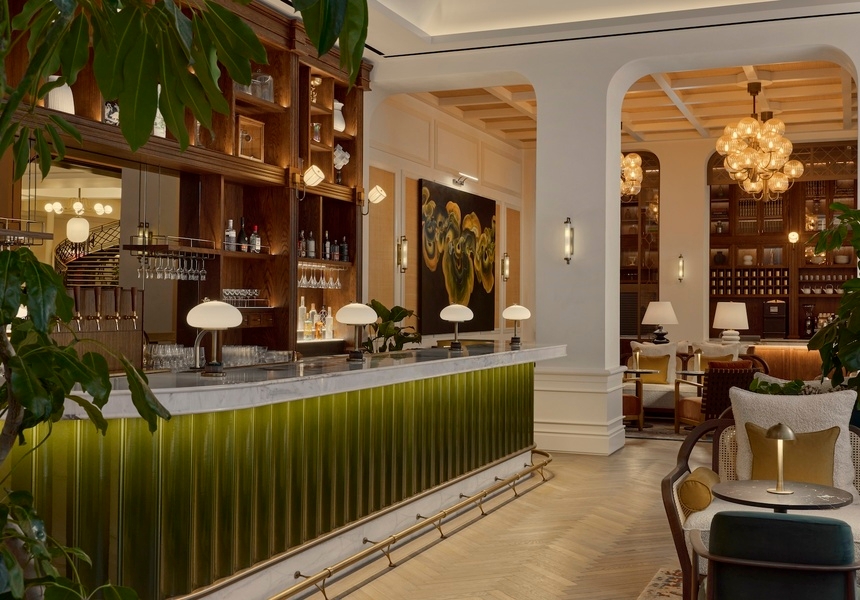
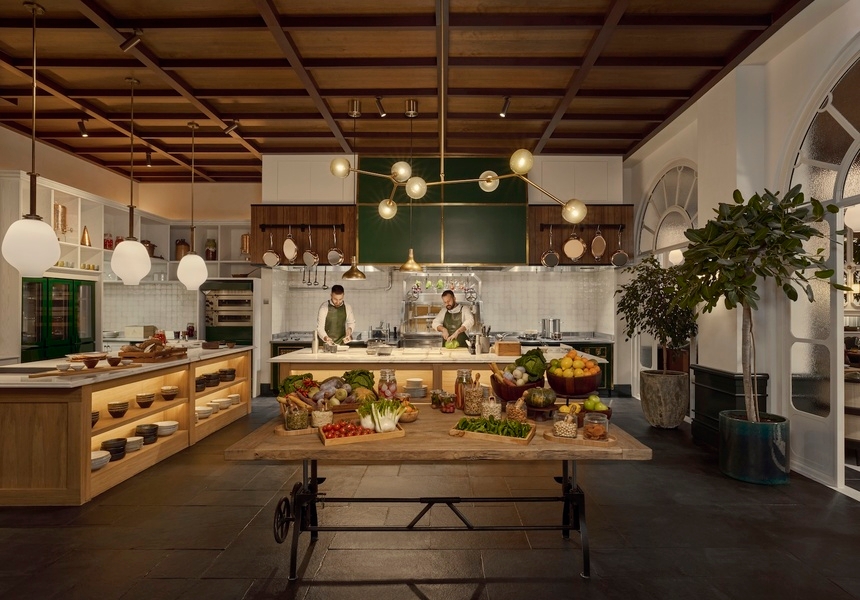
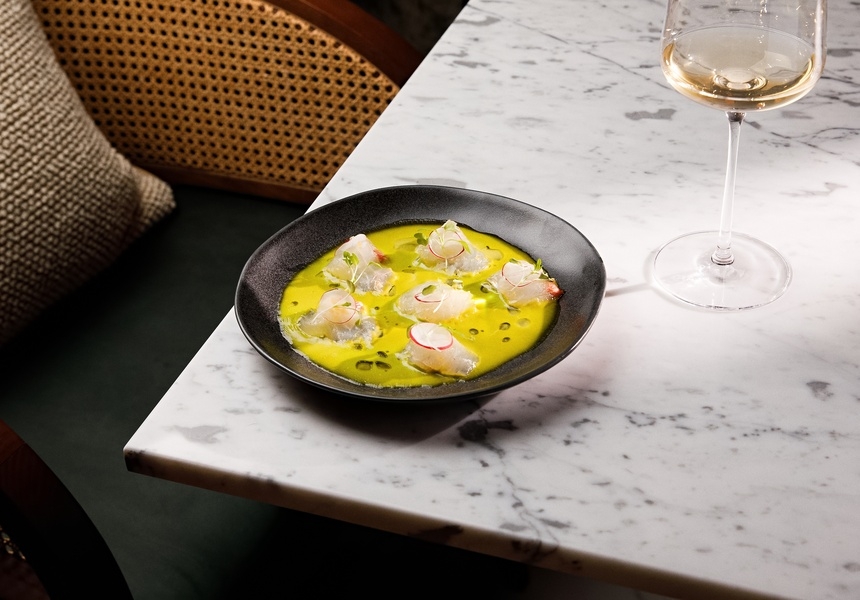
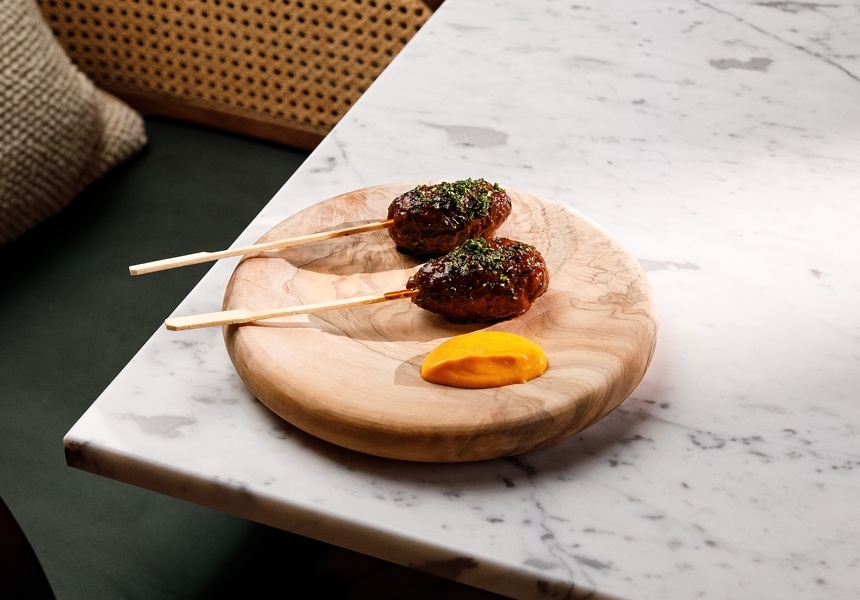
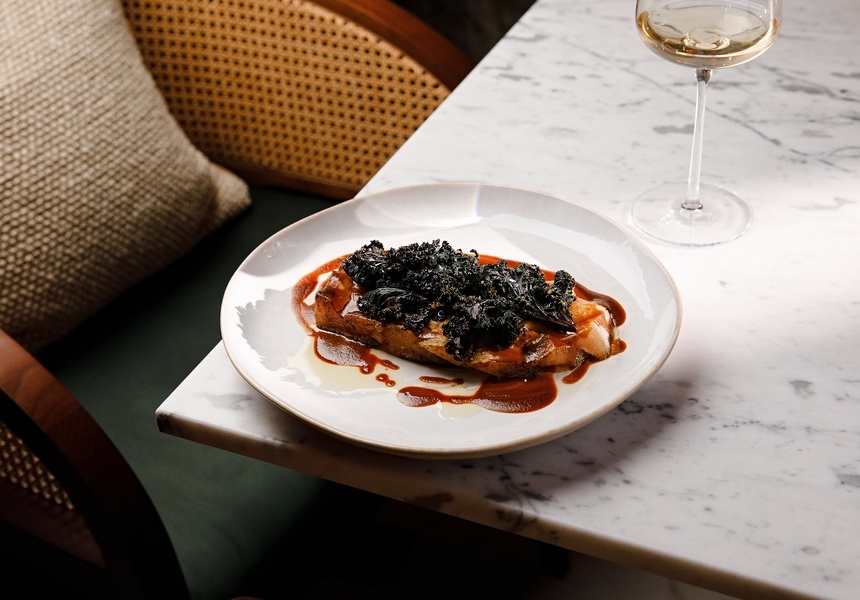
The natural approach extends to the kitchen, where fermentation specialist Jelena Belgrave is working alongside executive chef Eliano Crespi at Whiteley’s, a relaxed brasserie aimed as much at locals as guests. Its vegetable-heavy “maverick British” menu relies heavily on locally sourced, seasonal ingredients – handmade gnocchi with cavolo nero, stilton and toasted English walnuts; Suffolk pork chops marinated in rice koji – and charcoal-grill cooking. “It’s unpretentious, fresh food that makes you feel good,” says Crespi. The neighbouring bar serves an inventive range of cocktails designed to work as well without alcohol as with. The signature serve, Clouds Over Islay, for example, pairs peaty Bruichladdich whisky with an amazake (sweet fermented rice) soda created by Belgrave and some aromatic lemon water (or hydrosol) prepared by Pulver.
Of the 109 bedrooms, each with a unique design, 30 per cent have their own terraces, landscaped specifically with pollinators in mind (particularly butterflies, the hotel’s mascot). The rooftop resembles a wild grassy meadow and communal areas are packed with plants. Six Senses’ global sustainability projects are showcased at the on-site Earth Lab, with an emphasis on its London efforts: protecting pocket forests and opening up green corridors from Hyde Park.
In fact, the hotel project as a whole is the anchor for a wider three-year neighbourhood regeneration. “Bayswater is due its moment in the sun,” Yarnell says. “The most important thing here is that we have fun doing all of this stuff. It's great that our guests and neighbours want to take a trip down the rabbit hole.”
Six Senses London
1 Redan Place, W2 4SA.
02032788000