For a brief period each September, Londoners are given a short glimpse behind the scenes of their own city. Landmarks such as the BT Tower, whose silhouettes are well known but whose interiors remain mysterious to most, will allow the public in for one week only, between September 13 and 21.
Open House Festival launched in 1992 with just 20 buildings opening to 100 visitors, and has since blossomed into a major citywide event with more than 700 buildings and a record attendance last year of more than 275,000 people.
“There isn’t anything else akin to the festival,” festival curator Hafsa Adan tells Broadsheet. “Having the opportunity to go inside buildings that you are familiar with but aren’t accessible to the public year-round gives that special golden ticket of access to everybody. Open House really does make you feel like part of the city you live in.”
Access to the most famous buildings, like 10 Downing Street and Broadcasting House, is run via ballot, which closed in August. But if you missed one of those big tickets, there are still dozens of other fascinating public buildings and private homes to snoop around.
“People opening their personal spaces, like their homes or places of work, gives such a beautiful insight into not only the buildings and the architecture but also the people who live in these spaces and contribute to the festival and to London,” Adan says.
Here are five expert picks from the festival that are drop-in only or have tickets still available.
##Olympia, Kensington
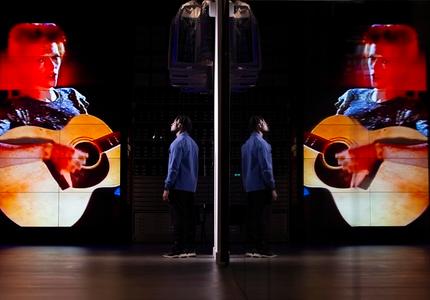
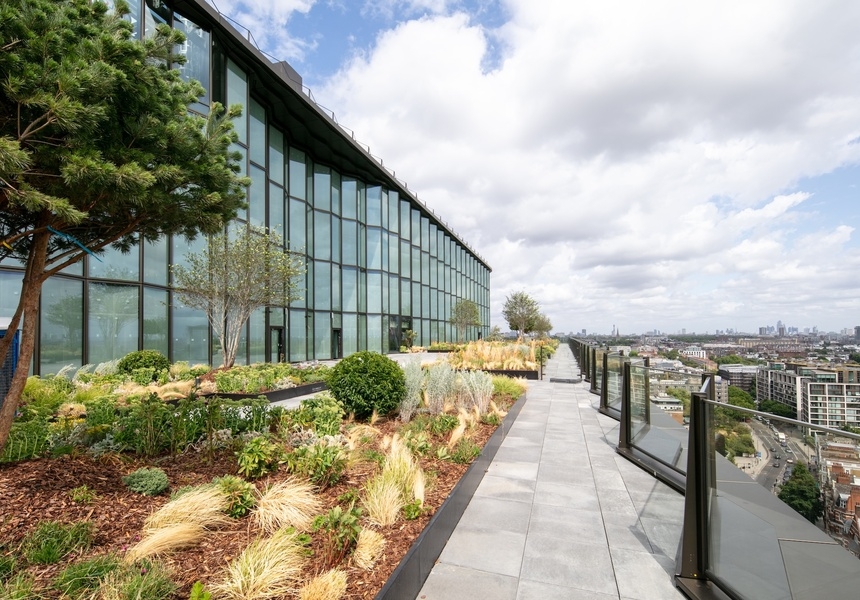
A decade or so ago, the derelict Battersea Power Station was the hot-ticket visit at Open House. This year, assistant curator Aaron Yonas recommends a trip to the 139-year-old Olympia event space, opening for the first (and only, in its current state) time for a behind-the-scenes look at the site part-way through its £1.3 billion transformation. It’s a chance to see the space before it changes forever, and get a taste of what such a huge regeneration project involves.
##12 Church Grove, Lewisham
It’s easy to feel ground down by London’s housing market, so it’s inspiring to find people who have forged alternative pathways. There are 36 permanently affordable homes at 12 Church Grove, which is the capital’s biggest community-led self-build project. “Last year was their first time in the festival and I loved visiting,” Yonas says. “The incredible homes and community spaces were built using sustainable materials, and because it’s a self-build the residents have been able to customise their living spaces.”
##Isokon Building, Camden
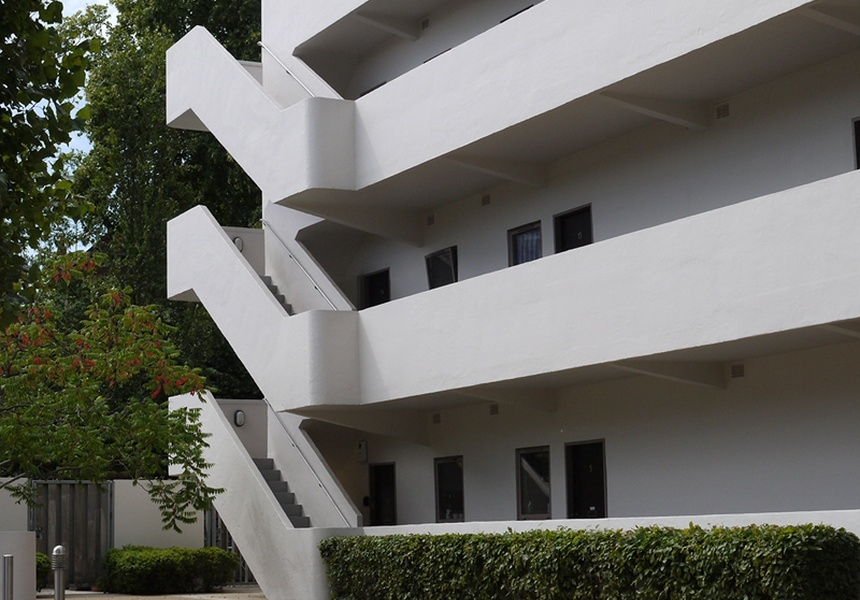
One of London’s most important modernist buildings remains residential, with many of its tiny flats under shared ownership by key workers following a total refurb in 2004. Beyond its impressive architectural history it has also housed dozens of notable 20th-century characters, from émigré modernist architects and designers Walter Gropius and Marcel Breuer (who both designed furniture specifically for the building) to artist László Moholy-Nagy, crime writer Agatha Christie and a clutch of Cold War spies from either side, who would eavesdrop on each other in the now-defunct residents’ restaurant, the Isobar.
##Little Citadel, Hackney
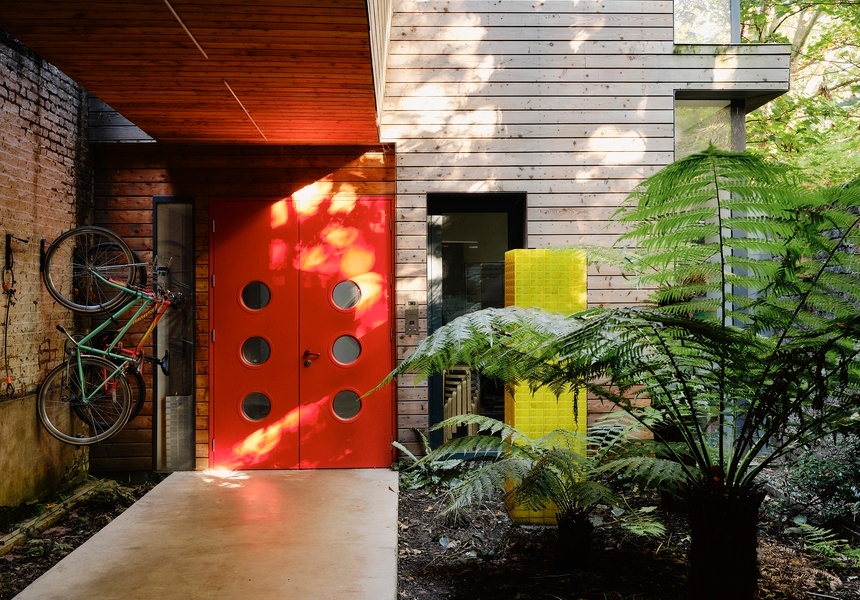
A visit to this live-work space designed for artist Rana Begum and her family, with studio, home, guesthouse and multi-level garden, has been described by the Royal Institute of British Architects as “a different experience than any before”. Completely surrounded by neighbouring walls on the ground floor, most of the light is provided via sculptural skylights, while the first floor has continuous windows looking out onto Abney Park Cemetery. Peter Culley of Spatial Affairs Bureau, the practice that designed the house, will be giving guided tours during the festival. “It looks really beautiful, and I’m excited to visit this year,” Adan says.
##Company Drinks Pavilion and Garden, Barking
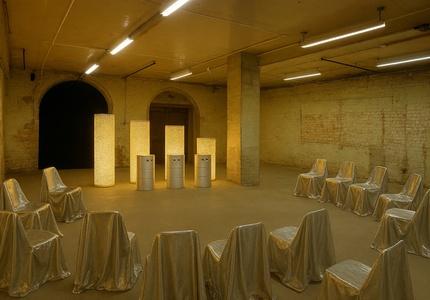
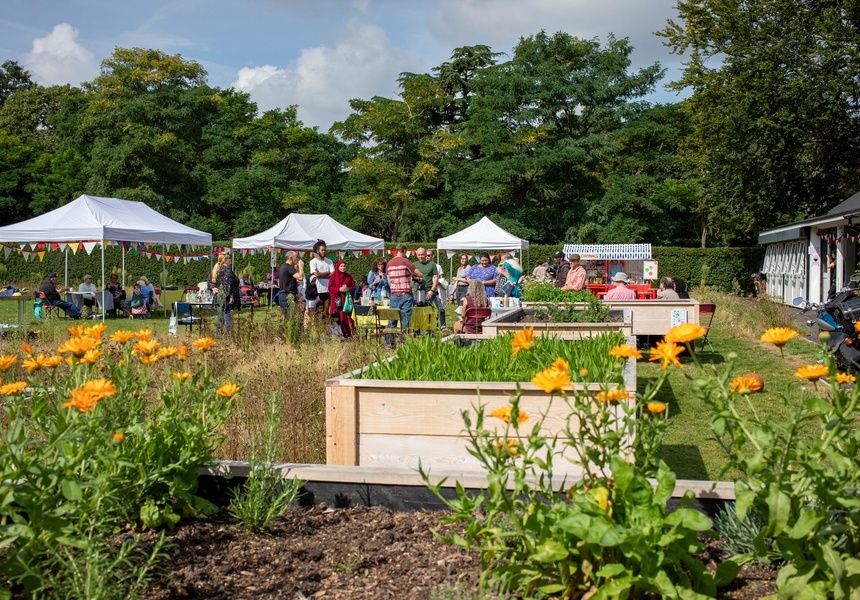
Harvesting foraged and locally grown produce and turning it into cordials next to the bowls pavilion? It’s not Open House’s rural outpost but a community enterprise in Barking, originally set up as an art project by Kathrin Böhm. “The garden is usually only meant for locals but they are holding a community Open Day, which will be really lovely,” Adan says of the project, which only opened to Open House for the first time last year.
Open House runs from September 13–21. programme.openhouse.org.uk