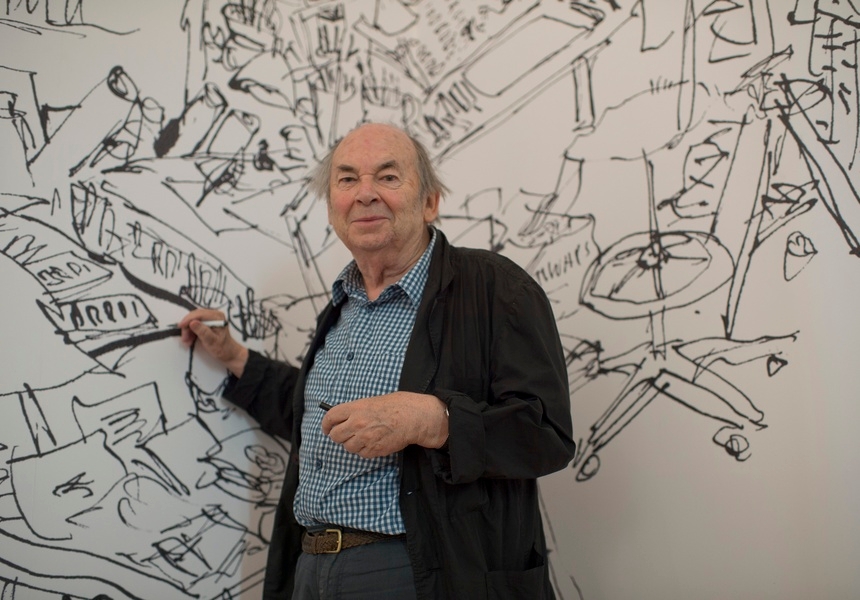
The inimitable illustrator Sir Quentin Blake has spent a lifetime drawing the fictional worlds of authors into existence – especially those imagined by Roald Dahl. Whether it’s the splurge of magenta smoke billowing from George’s marvellous medicine, fantastically dressed foxes, or carnivorous child-eating crocodiles, Blake’s instantly recognisable scratchy dip-pen drawings have animated the imaginations of generations of children and adults.
Now, more than two decades after first conceiving the idea of a place with “illustration” written above the door, Blake, now 93, has brought another world into being with the opening of the Quentin Blake Centre for Illustration in Clerkenwell – the world’s largest dedicated space for the medium.
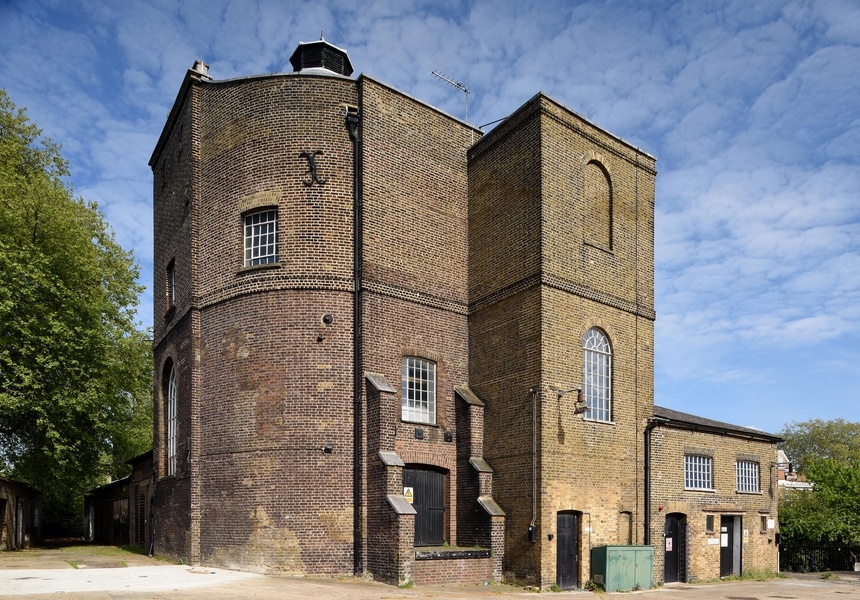
Opening on June 5, the centre will occupy the restored New River Head waterworks, a sprawling 18th-century industrial site hidden behind brick walls for more than 70 years –almost as long as Blake himself has been drawing (well over 80 years). Alongside gallery spaces, the centre will also include artist residencies housed in London’s oldest surviving windmill, a free public library, a cafe, gardens and learning spaces.
“The buildings are full of stories,” Lindsey Glen, director of the Quentin Blake Centre for Illustration, tells Broadsheet. “It’s lovely seeing them transformed from these derelict bits of broken concrete everywhere into something that is usable but keeps that bit of the fabric there. We were really keen on adding as little as possible to the site. Illustration is all about stories, so we didn’t want to strip those stories out as we went along.”
At the heart of the site is a windmill dating back to 1707, which will host artist residencies. The small circular structure is a “wonderful, magical place to spend time in”, says Glen. On the matter of the residencies, she adds: “We’re really interested in people working at the slightly more experimental end of illustration and giving them some space outside the commercial constraints that illustrators are so often working in.”
The centre is a long-overdue space for illustration, a medium that permeates so much of our daily life and visual culture, whether that’s through chiselling children’s imaginations, livening up stale school textbooks, satirising the powers that be in the newspapers, or helping craft the immersive world of a graphic novel. Despite this, it has historically lacked the same institutional recognition afforded to painting, sculpture or photography.
“It is an art form that falls between other art forms,” Glen says. “It is art, but it’s art done with a very clear purpose, so it doesn’t quite live in the ‘fine art’ camp.” Despite illustration shaping how we understand the world around us – from the stories we read as children to the images we encounter every day – there has never been a permanent national centre devoted entirely to the medium.”
Now, thanks to Blake, there is. Since having his first drawing published in Punch at 16, Blake has gone on to work on more than 500 books and become one of Britain’s most beloved visual storytellers in the process. Alongside memorable collaborations with authors such as Dahl, Joan Aiken, David Walliams and Michael Rosen, he has created murals and public artworks for hospitals, galleries and community spaces around the world – earning numerous accolades for his services, including a knighthood in 2013.
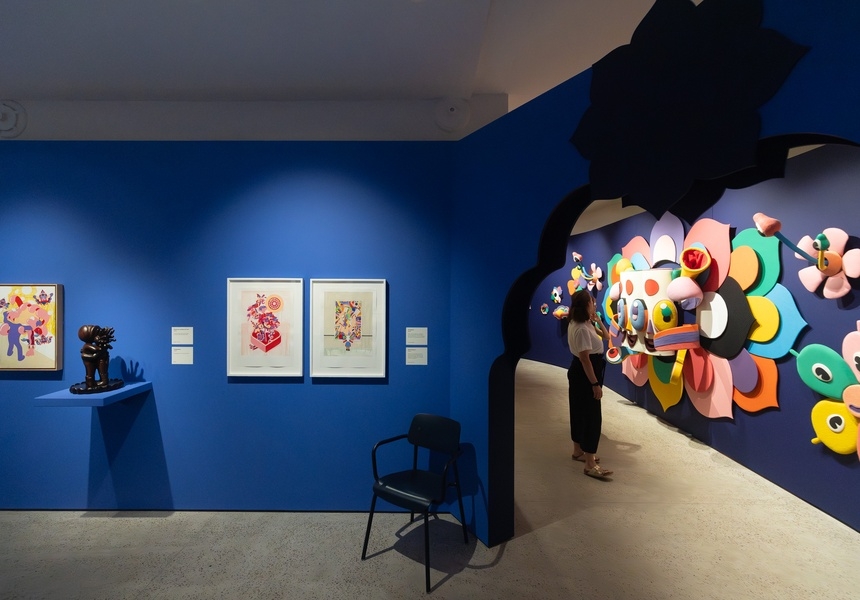
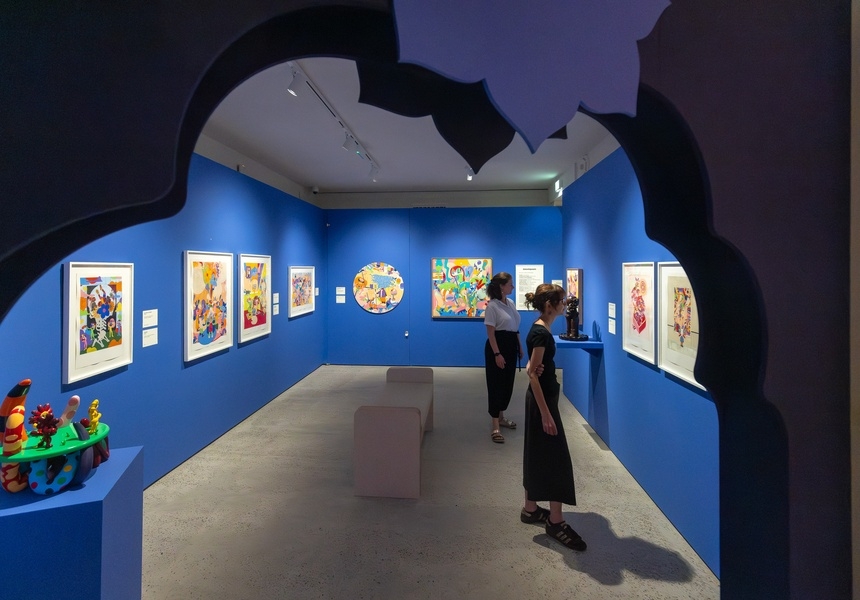
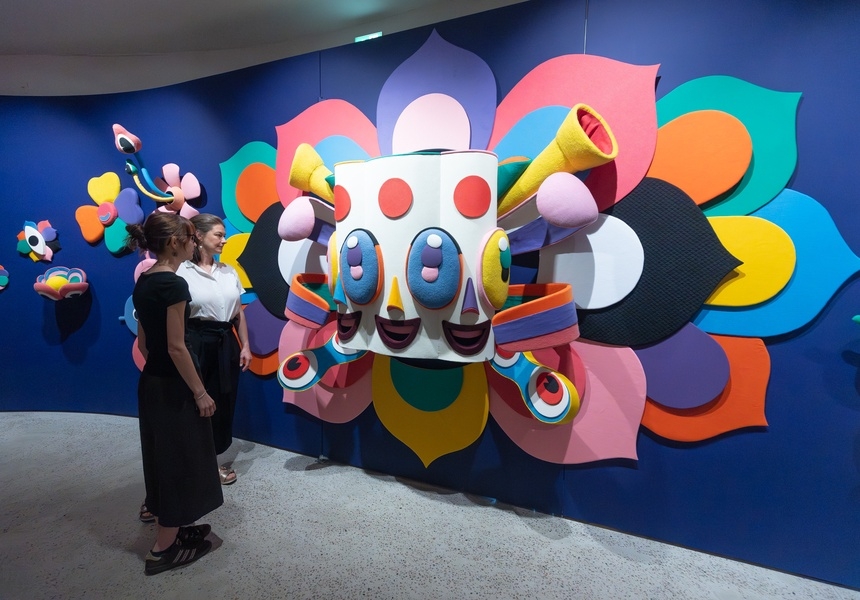
While there will inevitably be works from Blake’s archive on display – and traces of him everywhere, from mischievous cockatoos to murals – the opening programme reflects the Centre’s broader ambition to celebrate illustration across generations, countries and disciplines. The inaugural exhibition, Murugiah: Ever Feel Like, is a solo presentation by the Welsh Sri Lankan artist known for his immersive digital worlds that draw on anime, sci-fi and pop culture.
“We were attracted to Murugiah because his work is so colourful and so relatable and immersive, and it’s really joyful to spend time looking at,” says Glen. “But there’s also a darker side to his work, a more personal reading where he explores identity and mental health.”
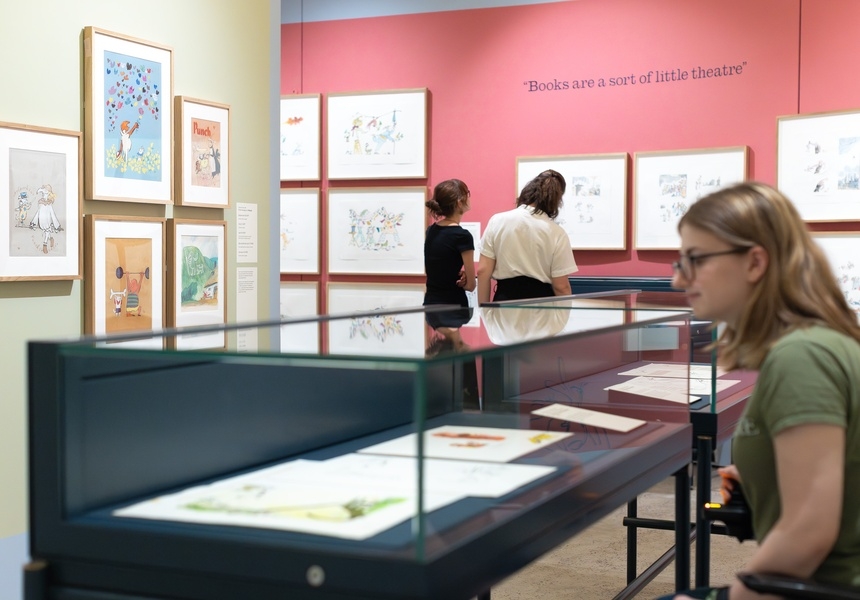
Other exhibitions on display at the opening include Quentin Blake: Performance, featuring more than 100 original and rarely seen drawings that explore the theatrical inspirations – from Laurence Olivier to Shakespeare – behind Blake’s work, and Queer as Comics, the first major exhibition on queer comic-making, spanning from the 1940s to the present day.
“We want people to come out of the Centre and look at the world differently, to see the images that are all around us in everyday life,” Glen says. “We want visitors to feel it’s a place where everybody’s ideas are welcome”, where they can “make their own mark”.
The Quentin Blake Centre for Illustration opens on June 5.
Murugiah: Ever Feel Like runs from June 5 until 31 August, 2026.