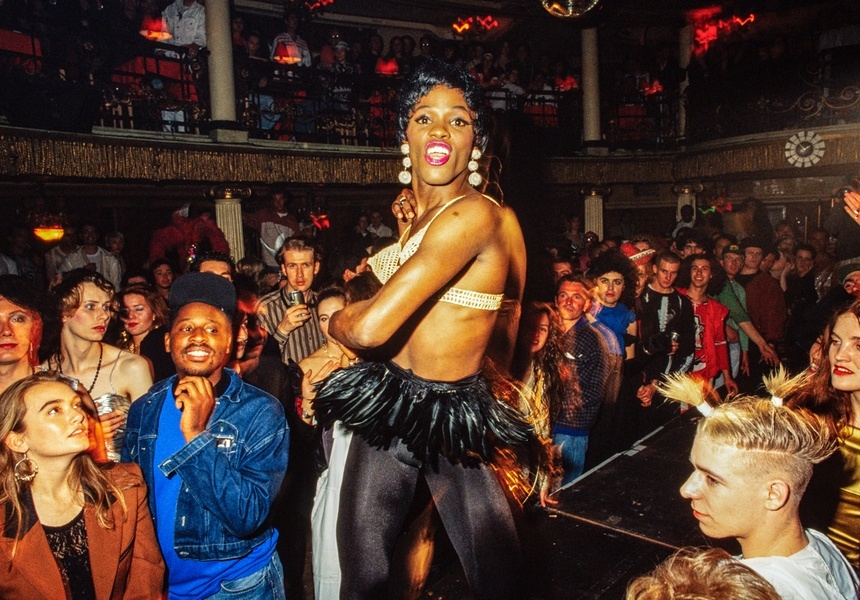
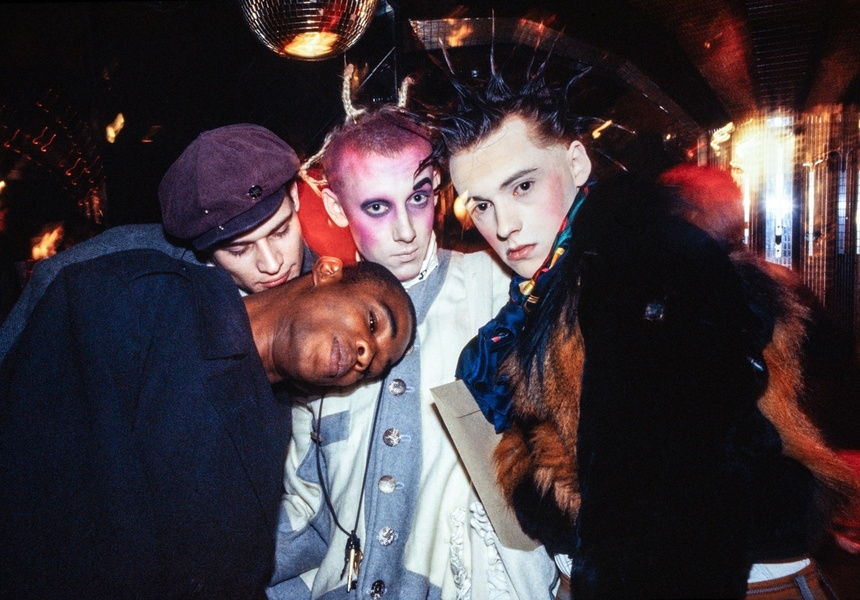
“People would parade down that catwalk, competing in categories like ‘butch queen first time in drag’, ‘femme realness’ and ‘total fashion victim’,” recalls Dave Swindells, the legendary London nightlife photographer who documented hundreds of moments at the influential club night Kinky Gerlinky, which ran from 1989 to 1994, building on the legacies of ’80s parties such as Blitz and Taboo. In one of his images, a voguer wearing pink lipstick, a crochet bra and black feather tutu, swerves at the camera from a runway as the crowd looks up in awe. It shows Kinky Gerlinky co-host Winn Austin at a 1990 voguing ball held at the now-closed Café de Paris, just off Leicester Square.
“You had people who looked incredible and wanted to be photographed,” Swindells tells Broadsheet. “That made my job easier.” There were surprises, too. “Once, Winn introduced her ‘twin’, as she called her, Naomi Campbell, on the Kinky Gerlinky catwalk, and they both looked sensational,” Swindells says. “Now that was a moment!”
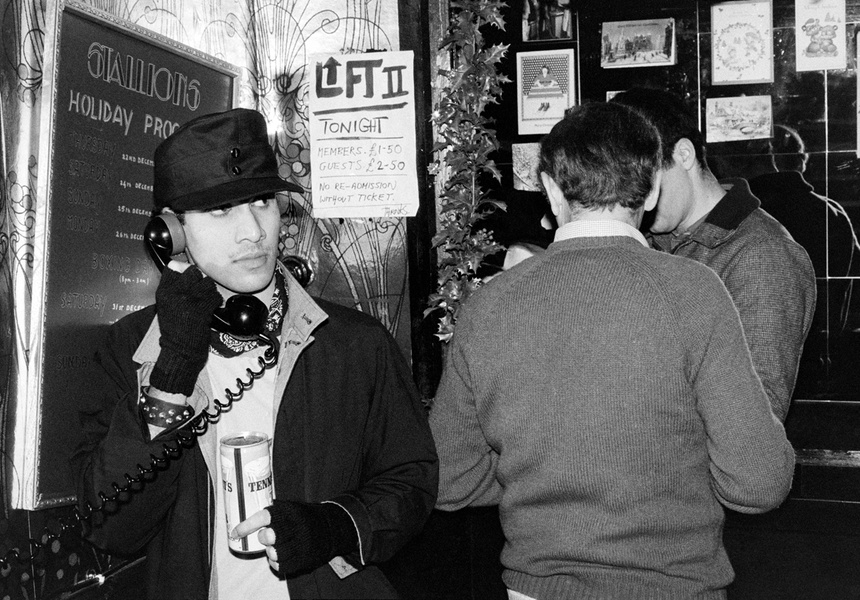
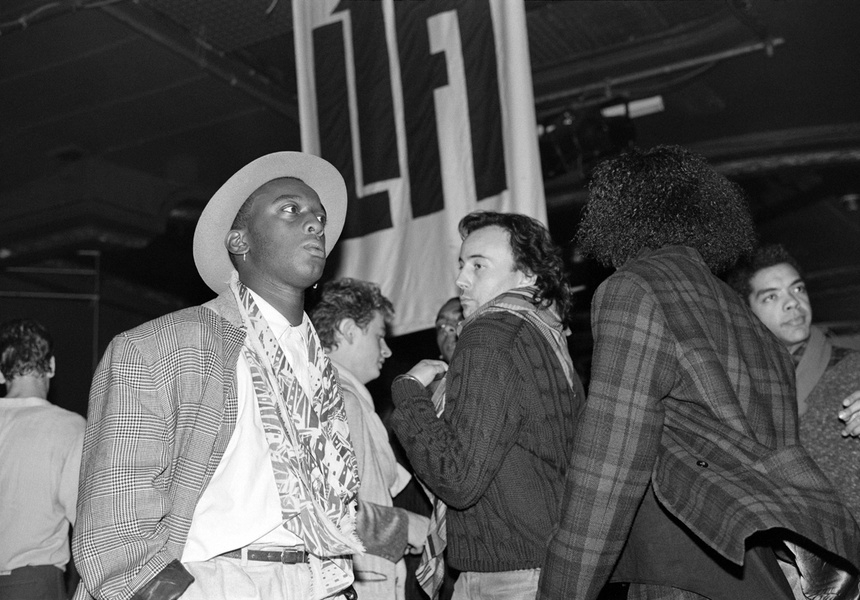
Swindells began capturing London’s queer nightlife on camera after his brother, Steve, a promoter, introduced him to the scene. There was The Lift, a Thursday night slot at the old Gargoyle Club on Meard Street in Soho, which occupied the fifth and sixth floors of an office building and was only accessible by a small lift. Then there was The Jungle, which started in 1985 at Busby’s on Charing Cross Road and, according to Swindells, was one of the first clubs in London to play Chicago house: “1000 people showed up every Monday night,” Swindells says. “Back then, when clubs were weekly, they had their own crowd, as opposed to now when so many events are monthly.”
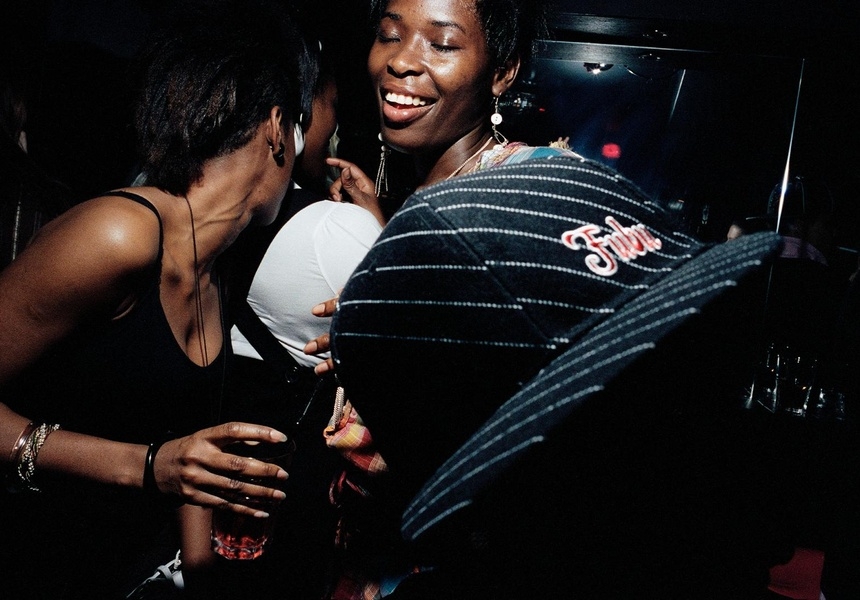
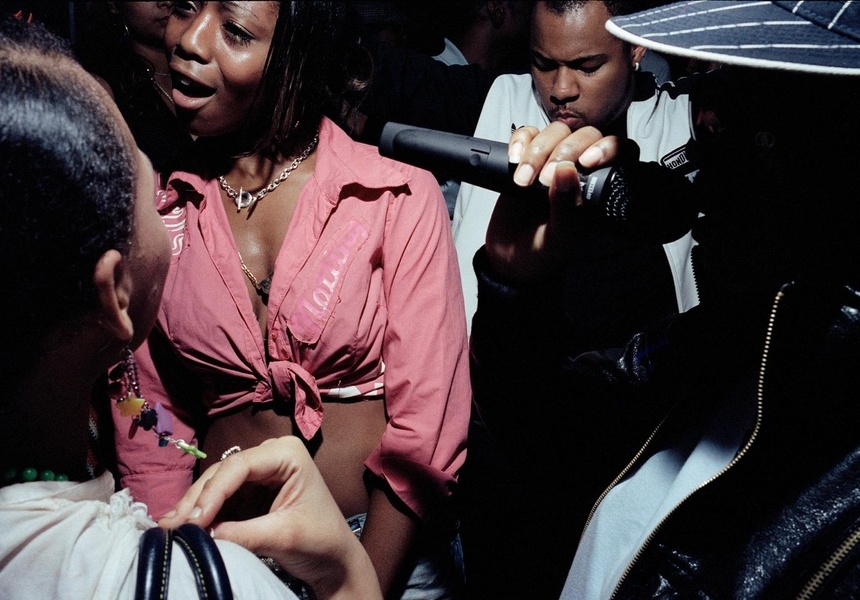
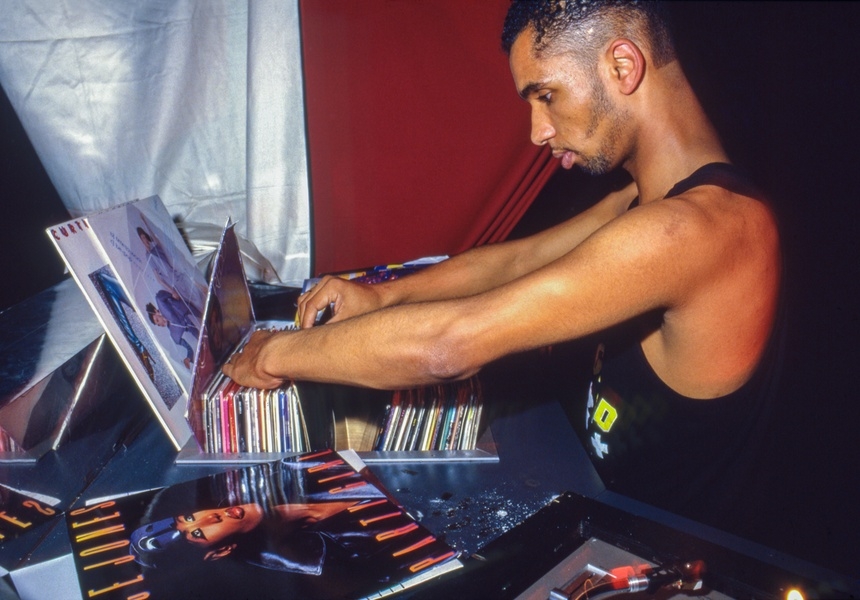
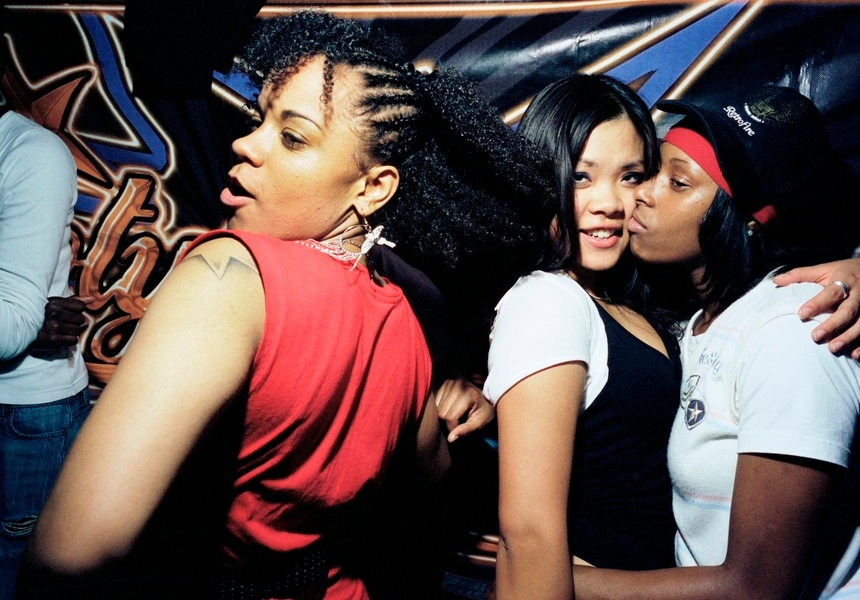
A selection of Swindells’s photos is on display this week as part of a free short-run exhibition celebrating the recent history of London’s Black queer nightlife. Reunion 79:21 – Revisiting Black Queer London Clubland takes place at Great Pulteney Street Gallery in Soho, and was curated by Shaun Wallace, co-chair of the Westminster LGBTQ+ Forum and an independent cultural producer. It covers more than four decades of Black queer nightlife in London, braiding a continuum of clubland through rare, previously unseen photographs – including work by Swindells and documentary photographer Jason Manning – as well as flyers, letters, zines, personal ephemera and film.
“I wanted to weave together the web of promoters, personalities, parties, places and people that brought about this unique, cohesive magic that is clubland,” Wallace says. Rather than producing a chronology of Black queer clubs, the show is organised thematically, spanning early grassroots scenes in the seventies against a backdrop of “racialised exclusion, homophobia, the HIV/AIDS crisis and gentrification” and events such as Pxssy Palace and Bootylicius, which continue to this day. Born in north west London, Wallace has been working on the project since 2019, with an aim to spotlight histories and communities outside of traditional institutional archives. “It started with archiving this unseen history – one that had been known by an inner circle of people,” he says. “I always called it a queer scene within a queer scene.”
The exhibition will be accompanied by a special Sunday screening of Beyond: There’s Always a Black Issue, Dear, a 2018 documentary directed by Claire Lawrie which interrogates the Black British experience via themes of gender, identity and activism.
Reunion 79:21 – Revisiting Black Queer London Clubland runs from January 21 to 25, 2026. Entry is free, but booking is recommended.