Ube, a purple yam indigenous to the Philippines, was a constant fixture of my childhood. Growing up in Manila, I have fond memories of waiting for the neighbourhood sorbetes (ice-cream) man as he served scoops of ube ice-cream in tiny wafer cones. Rushing to get ready for school, warm bites of steamed ube rice cakes topped with morsels of salty cheese made for the perfect grab-and-go breakfast. When I first moved to London more than a decade ago, it was only in the city’s Little Manila of Earl’s Court where I could get my ube fix. Now, its bright lilac hue, mild nutty flavour and social media fame have landed it on the menus of mainstream giants like Costa and Starbucks (which has launched an entire campaign called Purple Reign).
But farmers back home are struggling to keep up with the sudden increase in demand, with shortages on the horizon. If ube has piqued your interest in Filipino flavours, then why not go deeper into this southeast Asian nation’s cuisine? The Philippines spent 333 years as part of the Spanish empire and nearly 50 years under American rule after that – and as such, has developed a cuisine entirely its own. As chef and champion of Filipino food in the UK Budgie Montoya explains to Broadsheet: “Filipino food is layered; shaped by trade, colonisation, migration, everyday life.” He urges those who’ve become curious about the cuisine via the ube trend to “go past ube” and “try something savoury and unfamiliar”.
Here’s my pick of the six tastiest Filipino dishes, and where to try them in London.
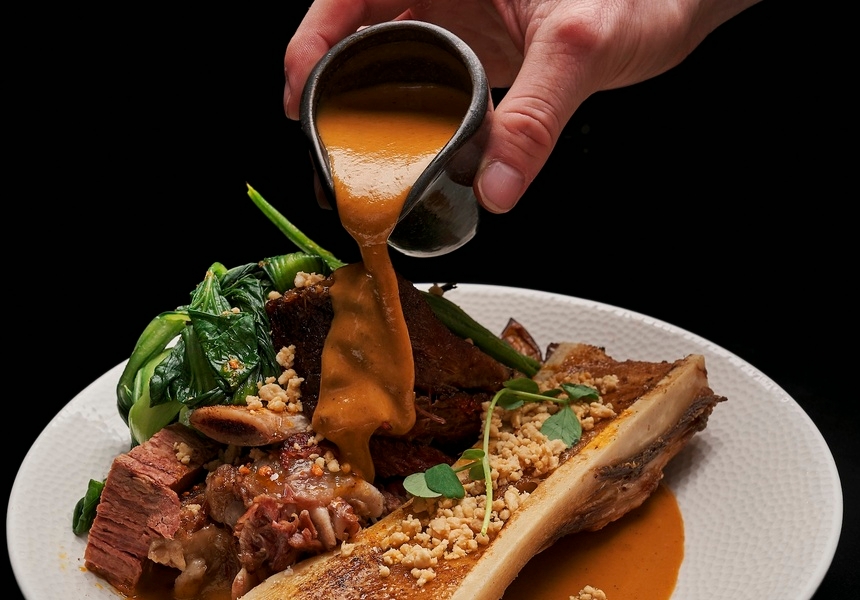
Kare-kare at Kasa and Kin, Soho
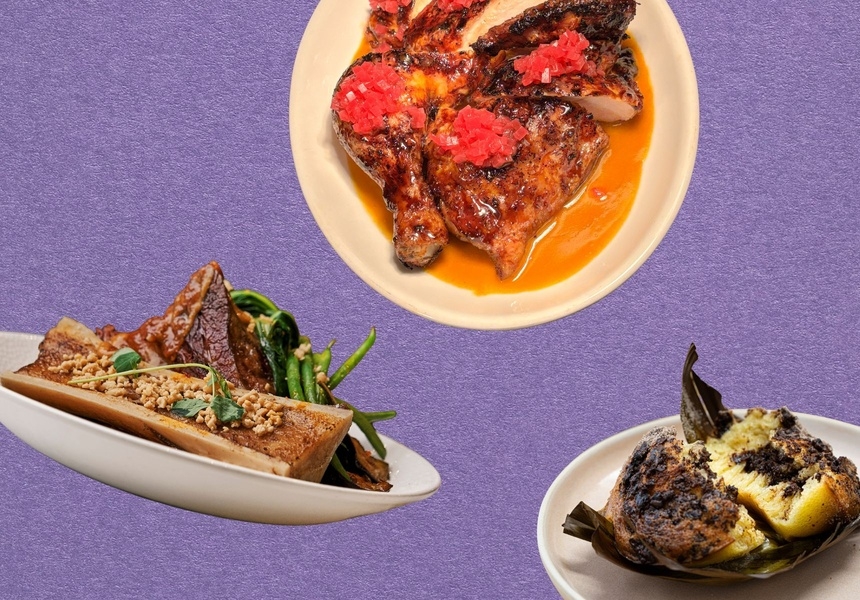
The origins of kare-kare are debatable, but many believe it’s a riff on the curry dishes introduced by Indian soldiers stationed in the country during the (short) British occupation in the 1700s. Made with ground peanuts, oxtail, string beans, aubergine, bok choy and toasted ground rice as a thickener, kare-kare is a rich and creamy stew often served during special occasions. At Kasa and Kin in Soho, slow-cooked British beef and bone marrow add a deep flavour that is perfect with a dollop of punchy bagoong (fermented shrimp paste).
@kasaandkin
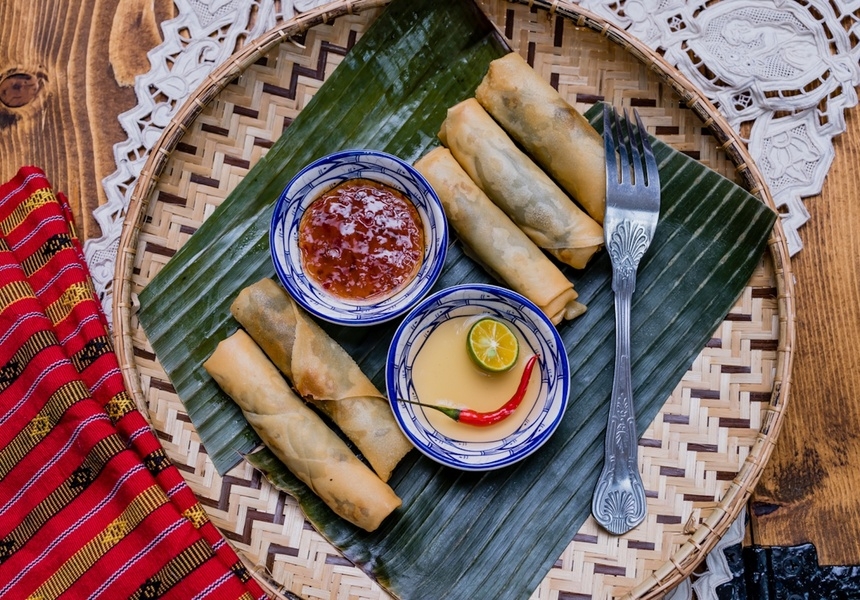
Lumpia at The Adobros, various locations
While spring rolls can be found in many Asian cuisines, Mark Corbyn from The Adobros (the name is a play on the Philippines’s national dish, a soy sauce- and vinegar-braised dish called adobo) is serving his ngohiong-style lumpia – the Filipino answer to the spring roll, which incorporates the flavours of five spice and is an homage to the Filipino-Chinese street food dish popular on the island of Cebu – at his upcoming pop-up in Hanwell.
@theadobros
Sinigang at Ading Ysa’s Kitchen, Tooting
Sour and tangy are some of the distinctive flavours that capture the essence of Filipino cuisine. Sinigang, a comforting soup of vegetables and meat or seafood cooked in a tamarind broth, delivers on all these notes. Try the delicious prawn variety at Ading Ysa’s Kitchen, a cosy spot tucked within the vibrant Broadway Market in Tooting.
@adingysaskitchen
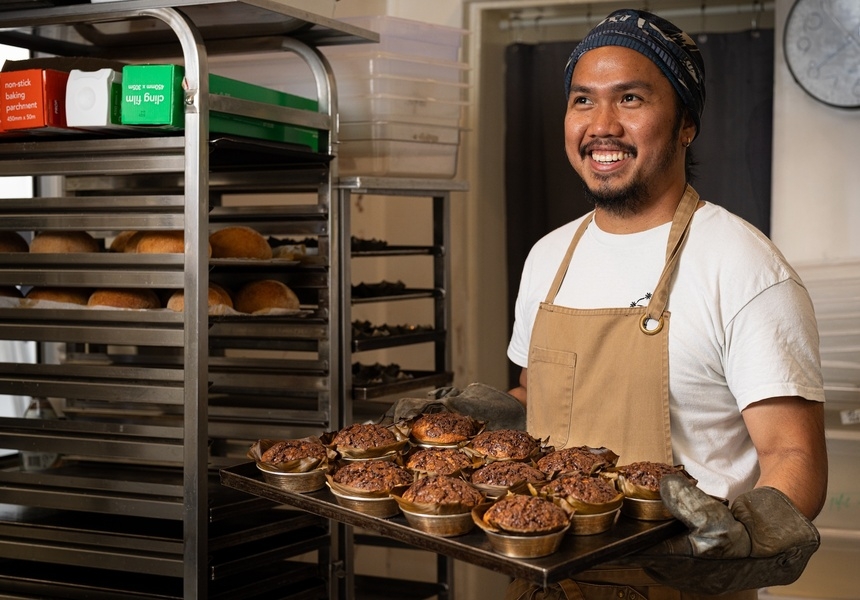
Bibingka at Kapihan, Battersea
The Filipino love for rice comes to life in bibingka, a tasty rice cake cooked in a coal oven and infused with the flavours of the banana leaves it’s wrapped in. Toppings include everything from grated coconut to salted egg. At southwest London darling Kapihan, the classic bibingka is served alongside a more decadent option made with churros, spiced cinnamon sugar, and bean-to-bar Malagos chocolate sourced from the Philippines.
@k_a_p_i_h_a_n
Ginataang gulay at Lutong Pinoy, Earl’s Court
Though Filipino cuisine is notoriously meat-heavy, the technique of ginataan, or cooking something in coconut milk, is ideal for bringing out the tender, hearty flavours of vegetables (gulay). For a no-frills dining experience, OGs Lutong Pinoy in Earls Court does an excellent ginataan with squash, aubergine, and okra.
@lutongpinoyuk
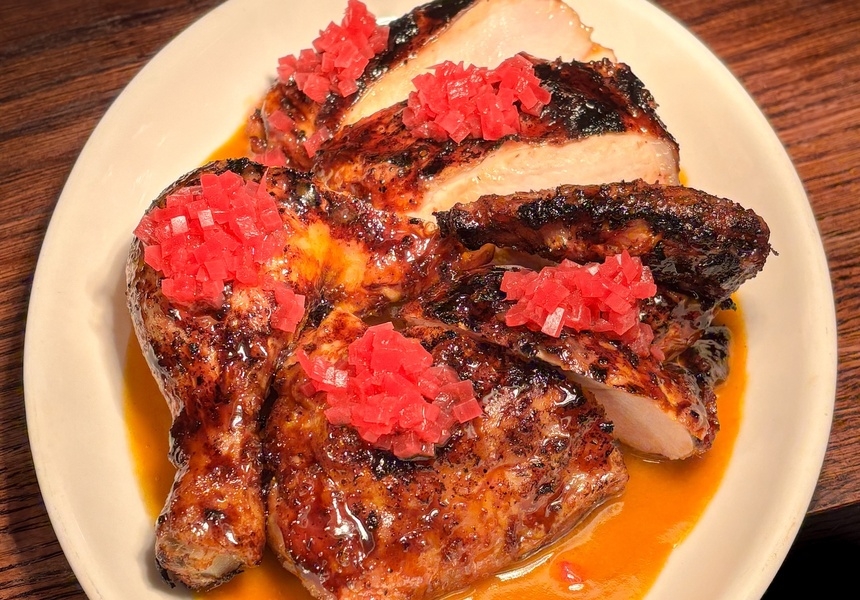
Chicken inasal at Donia, Soho
Another regional specialty, chicken inasal hails from the streets of the Visayas region where the smells of grilled annatto-basted chicken marinated in lemongrass, vinegar and kalamansi (a local lime) floats through the air. At Kingly Court’s Michelin Bib Gourmand-awarded Donia, the traditional chicken oil is emulsified to create a moreish sauce for the perfectly charred meat.
@donia.restaurant