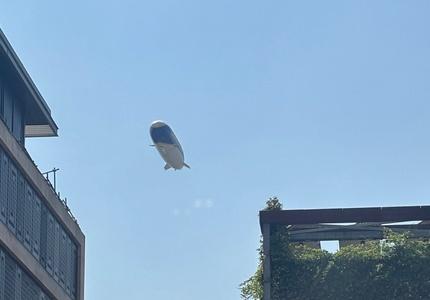
The skies are delivering top-tier entertainment at the moment. A month ago, the Goodyear blimp soared above the capital for days on end, sparking a flurry of blimp-spotters in group chats, Reddit forums and offices.
Next Wednesday, August 12, it’s the solar system’s turn. A partial solar eclipse will be visible in the UK and Ireland as the sun sets – and at 90–96 per cent, it’s the most coverage seen from here since the 1999 solar eclipse, which was total for viewers in Cornwall and Devon. There won’t be another total eclipse until 2090. So, without giving you an existential crisis, let’s say it’s definitely worth checking this one out.
What is a solar eclipse?
This meteorological phenomenon occurs when the moon moves between the sun and Earth, which causes the sun’s light to be blocked for viewers on Earth. This casts a shadow on the Earth’s surface, and viewers who are fully in this shadow (a track known as the “path of totality”) see a total eclipse. The “path of totality” for the August 12 eclipse will fall over parts of Spain, Greenland and Iceland.
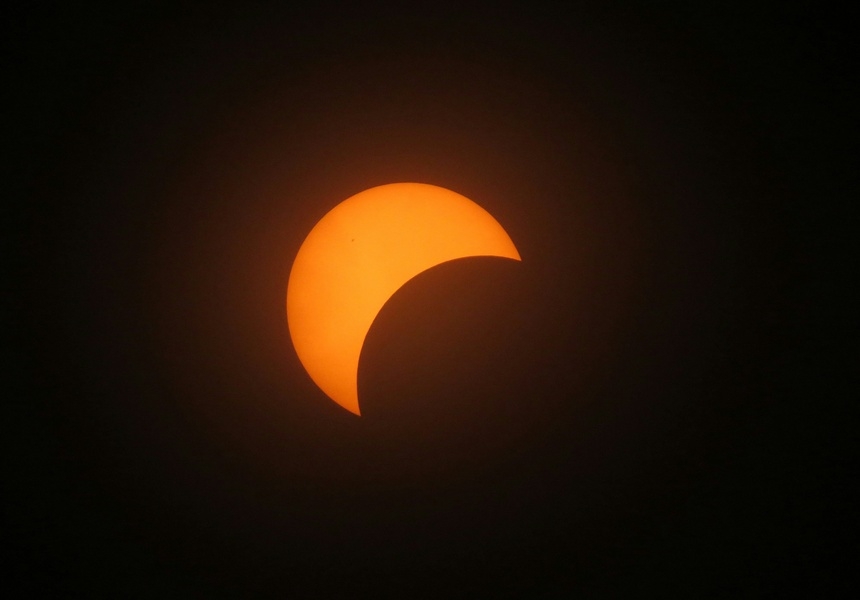
In the UK and Ireland, according to Jake Foster, astronomer at the Royal Observatory Greenwich, the maximum of the eclipse “will look like most of the sun has gone missing, with just a thin crescent-shaped portion of the sun remaining”.
At 6.17pm as seen from London, the Moon will make “first contact” with the disc of the sun. It will then move slowly across the Sun until it reaches its maximum (approximately 90 per cent coverage) at 7.12pm. At this point, Foster notes that “you may notice a slight dip in brightness levels and temperature”.
The most striking sight, says Foster, is “a view of the crescent sun, resembling a crescent moon on fire”. The moon will then continue its journey past the sun, and the eclipse will end at 8.06pm in London.
Some find the experience of witnessing a solar eclipse eerie – and Foster says there’s a reason for that. “The combination of changing temperatures, light levels and wind speeds all at the same time can feel unsettling,” he says. “Evolutionarily, it may serve as a response to an unknown perceived danger, that something unusual is happening to multiple of our senses at once. In reality, solar eclipses pose no danger to us, they are simply the end result of the cosmic clockwork of our wondrous solar system.”
How to watch the solar eclipse
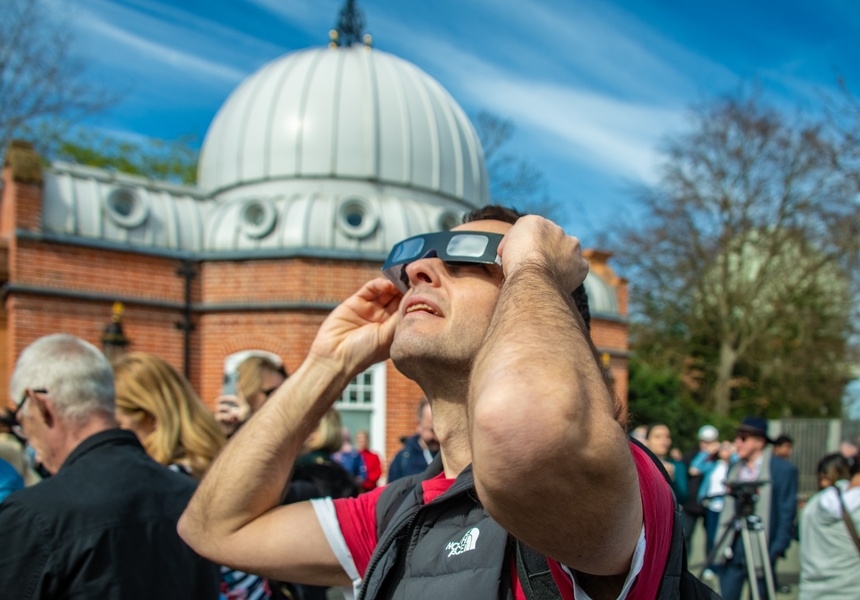
“Never look at the sun without proper eye protection, even for a moment. It isn’t worth the risk to your eye health,” says Foster. “The intensity of the sun’s light, even during the maximum of the partial eclipse, is enough to cause permanent damage to your vision.”
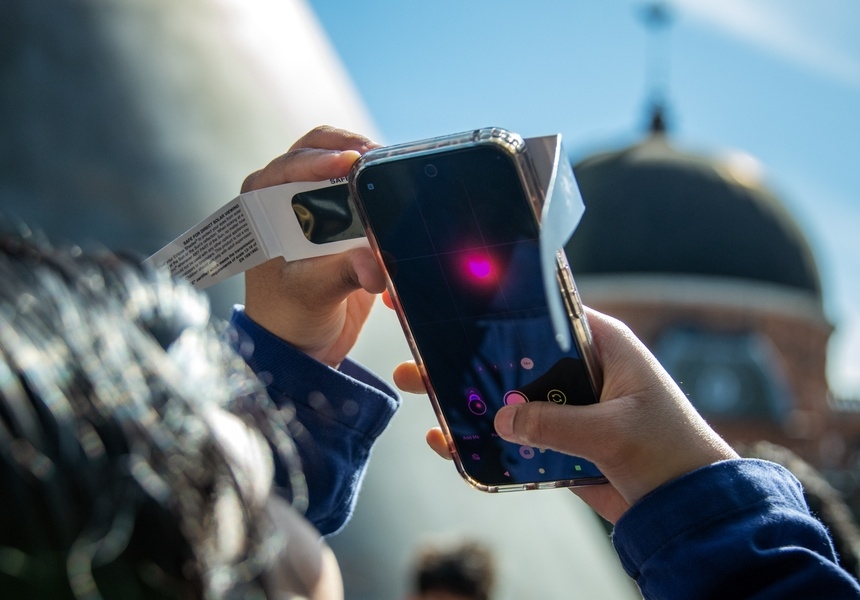
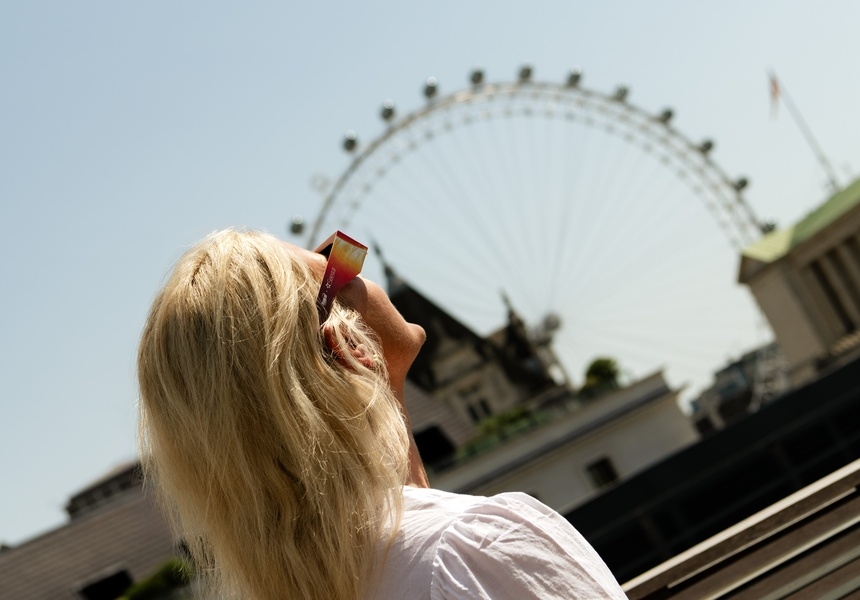
Instead, you’ve got options. The first is to use solar eclipse glasses – they’re inexpensive and protect your eyes. (“With not long to go until the big day, now is the time to secure a pair”). You can also buy a solar filter to put over your phone’s camera, so you can capture the eclipse without damaging the lens. It’s also fun to make a simple pinhole projector which allows you to see the shape of the sun projected onto a piece of paper.
The Royal Observatory is hosting a free live stream of the eclipse using one of its telescopes, so you can see the action safely through the screen. Coverage will start from 6.10pm on Youtube and Facebook.
Where to watch the solar eclipse
The Royal Observatory Greenwich is hosting an observation session from 4pm onwards on the day, with expert advice from the Flamsteed Astronomy Society. Make sure you book a ticket to the observatory ahead of time as places are limited.
Some of London’s loveliest dining spots are also getting in on the eclipse action. Naturally, any al fresco bar or restaurant could provide a solid vantage point – but other places are taking it to the next level. Japanese rooftop restaurant, Kioku by Endo in Westminster, will be providing guests with the evening’s hottest accessory: eclipse viewing glasses. And over in Stratford, London’s biggest rooftop bar Roof East will provide free glasses for the first 100 people to buy a drink. Will Total Eclipse of the Heart be playing on repeat up there? That remains to be seen.