Wildland, Cairngorms, Loch Ness and Sutherland
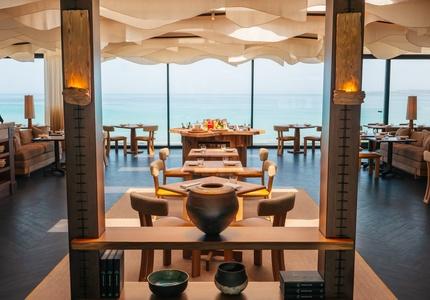
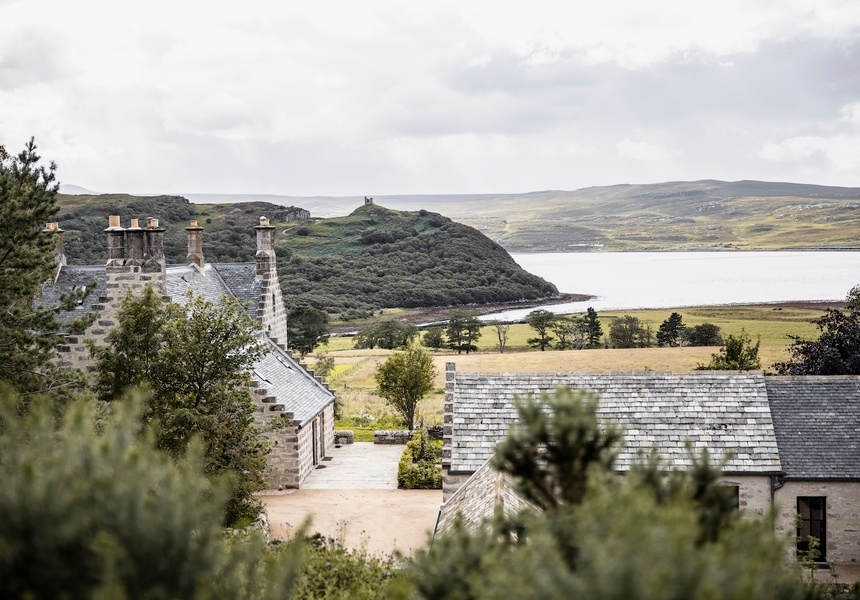
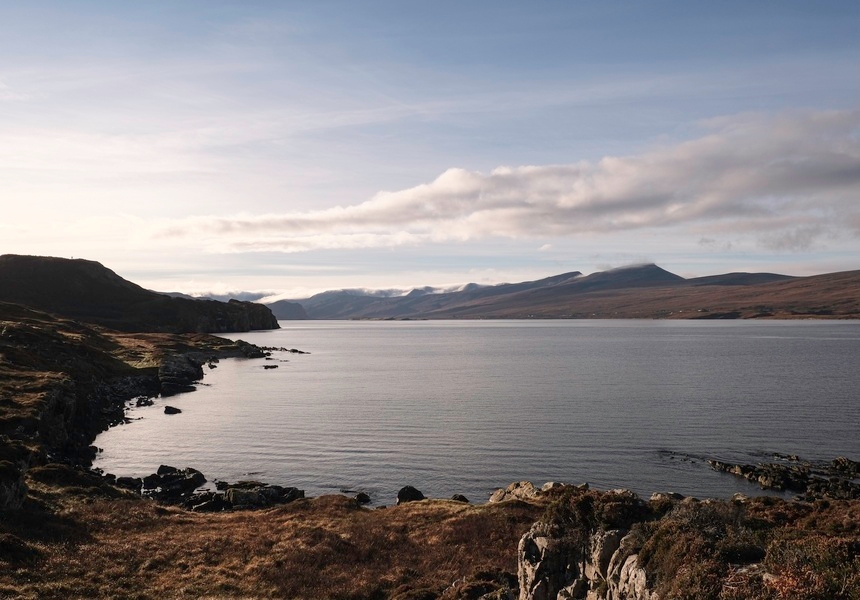
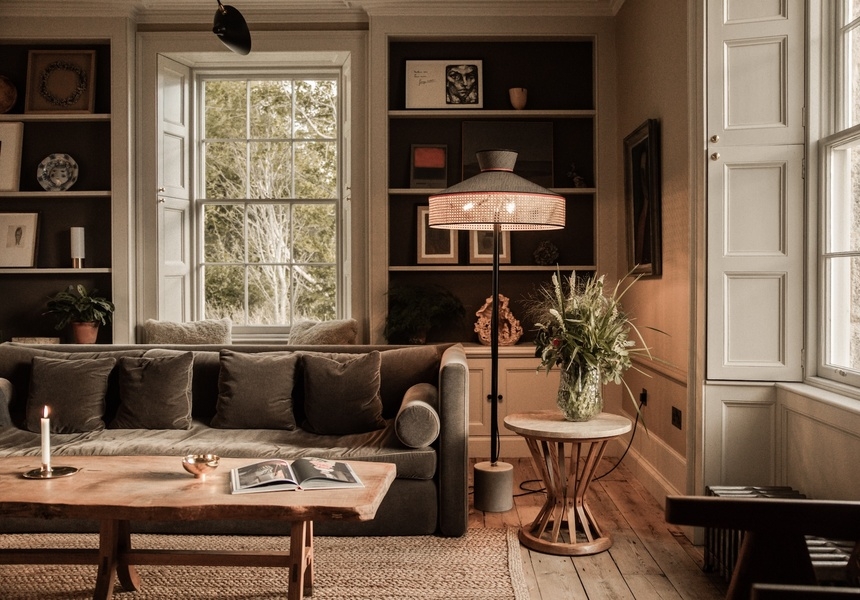
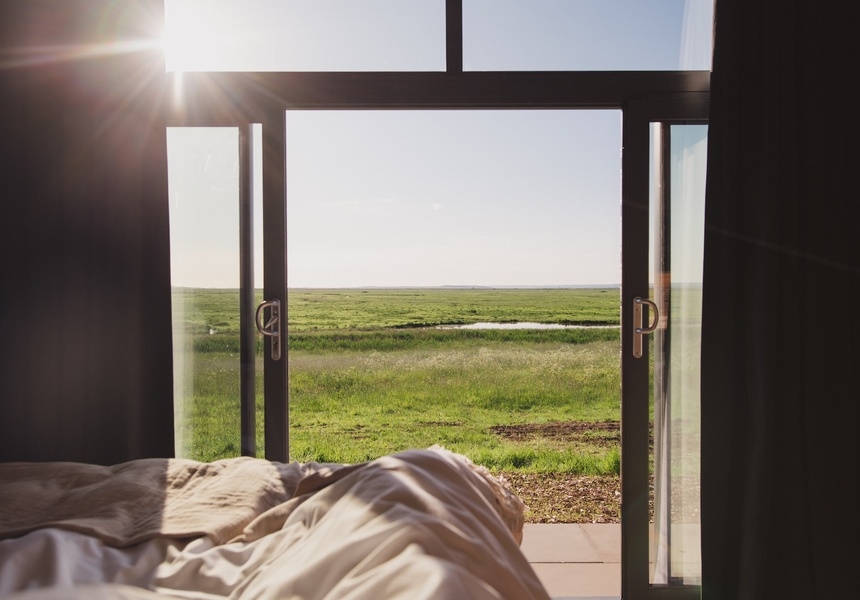
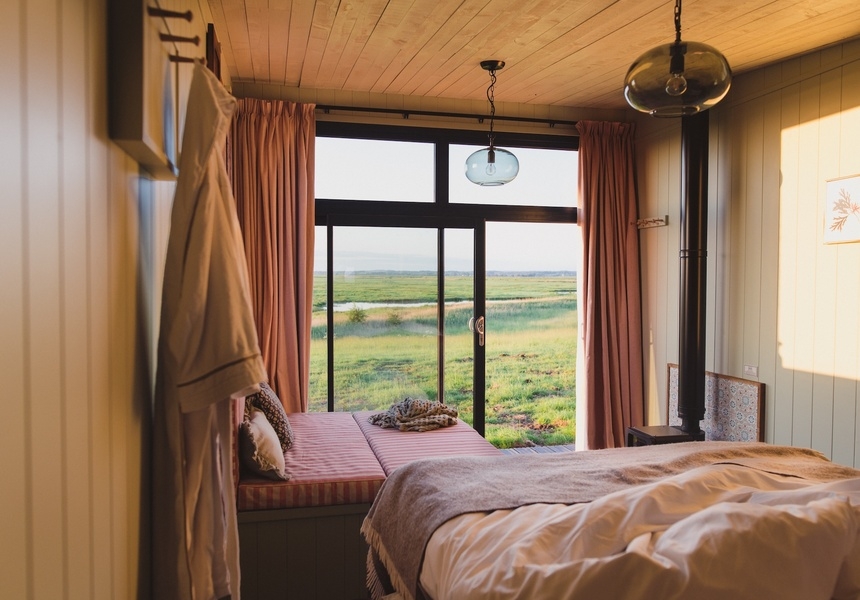
For two decades, Wildland has been acquiring swathes of land across the Scottish Highlands with a bold 200-year vision to restore them “to their former magnificent natural state”. Its pioneering team has hand-planted more than 6.5 million trees since 2007 in the Cairngorms alone, a rampant deer population has been reduced (saplings are “like a salad to them”, as head naturalist Steve Liddle noted on a recent visit) and the likes of golden eagles and wildcats have returned. Alongside some beautiful cottages and farmhouses there’s now Hope, Wildland's most ambitious hospitality offering yet – a kind of Scottish safari lodge presiding over 114,000 acres of unspoilt beaches, hills, lochs and woodland in the northern reaches of Sutherland.
Knepp, West Sussex
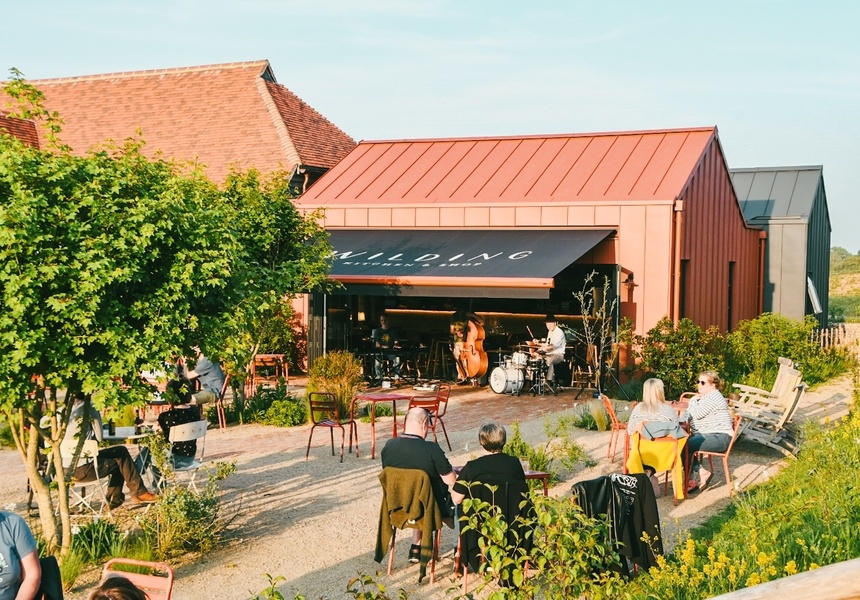
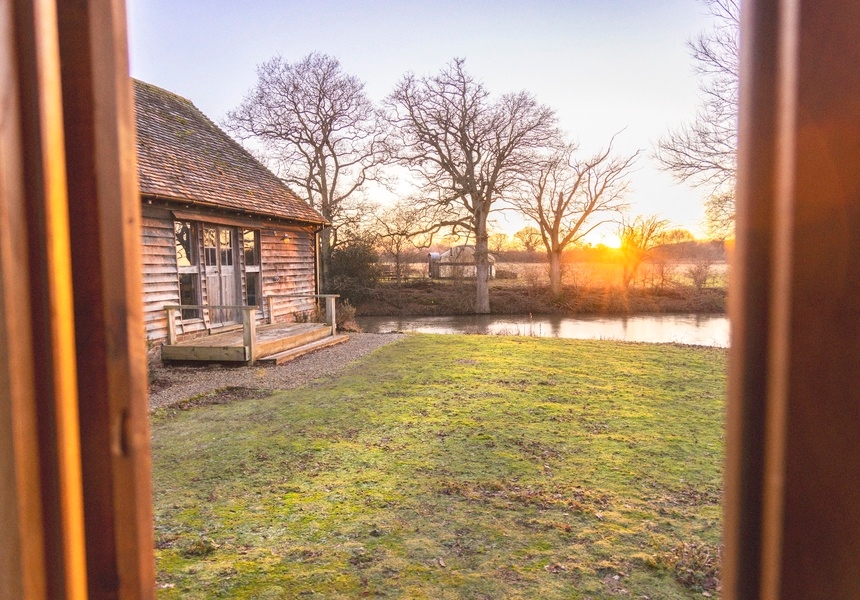
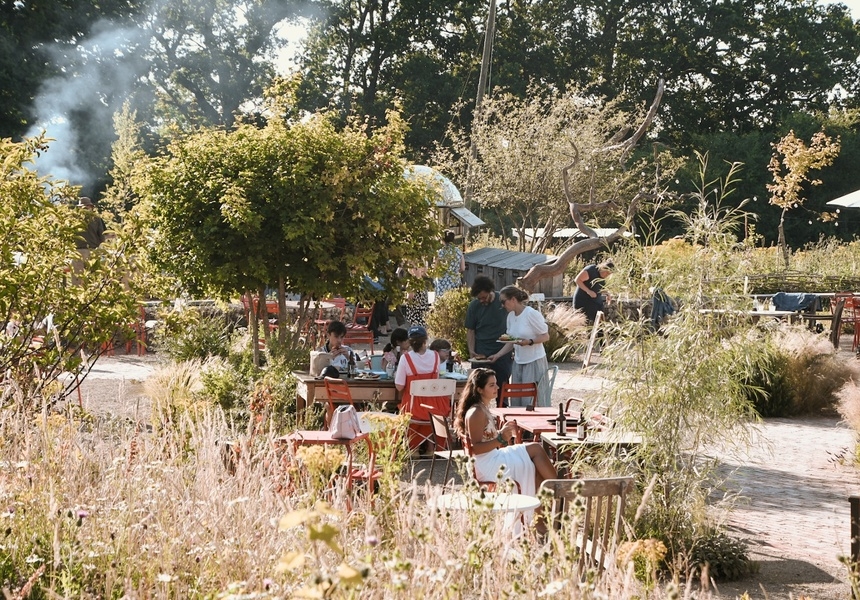
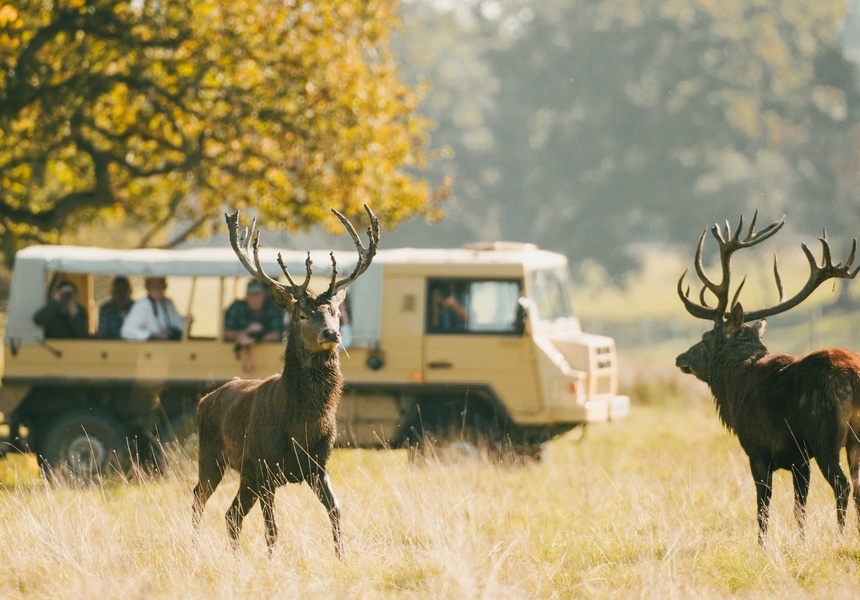
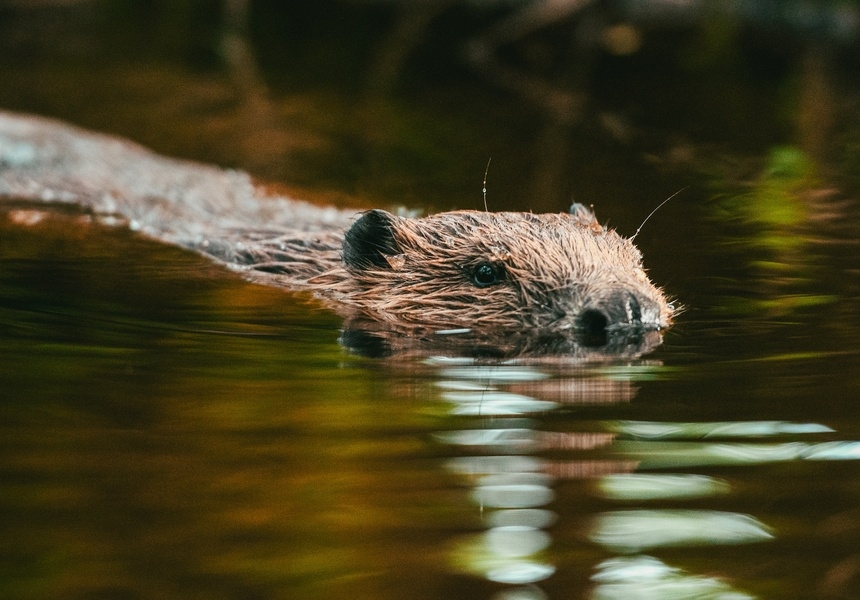
Down at Knepp you really can go on safari. The 3500-acre estate was used as farmland for decades until, after lengthy attempts to turn a profit, its owner resolved to let nature take its course. Twenty-six years on, the remarkable results – beavers have reshaped the waterways, stork nests line the trees, the once rare song of nightingales and turtledoves fills the air – are best experienced on foot or by jeep. “It’s changed from being managed by humans to being managed by animals,” explained Roger Morgan-Grenville, a Knepp ecologist, on a late-spring safari. To join its wild residents, choose from bell tents, yurts, treehouses, shepherd’s huts and three cosy cabins; the excellent on-site restaurant has a Michelin Green star.
Elmley Nature Reserve, Kent
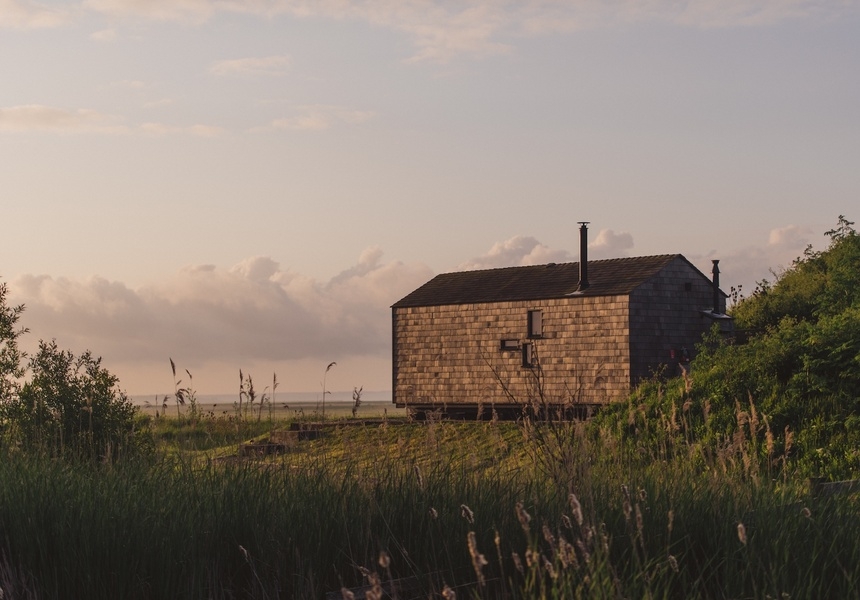
Just over an hour from London, on the edge of the Isle of Sheppey, sits 3300 acres of marsh and meadow attached to the family farm of Philip and Corinne Merricks. Since the ’80s they’ve been making efforts to restore the once arable land into bird-rich grasslands; it was eventually designated a national nature reserve in 1991. Birds now flock here in huge numbers, most notably lapwings, curlews and other breeding waders; marsh harriers; and four of the UK’s five main resident owl species. It’s also the country’s only national nature reserve you can stay in, with homely huts, cabins and restored farmhouses available for birdwatching in comfort all year round. The sunsets here are spectacular.
This article originally appeared in issue 4 of the Broadsheet London magazine.