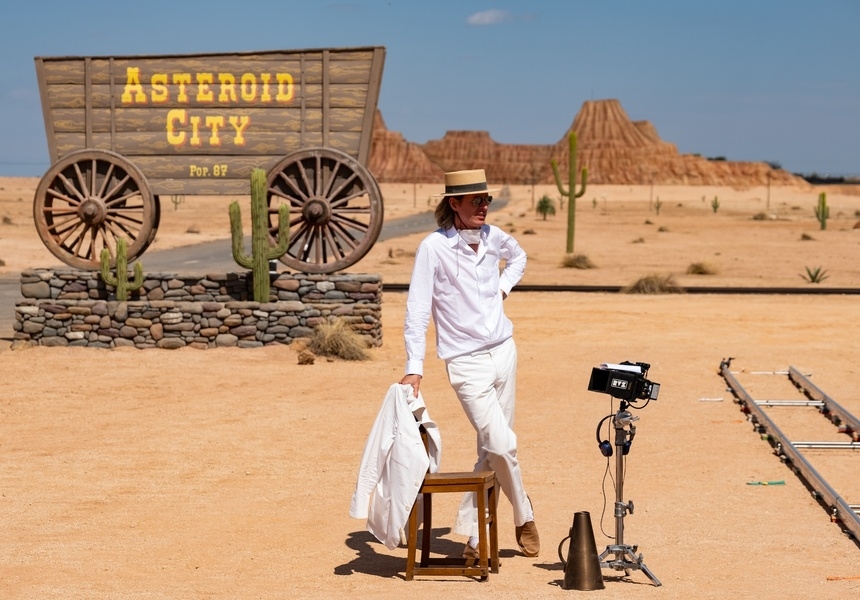
Wes Anderson: The Archives, which opens at the Design Museum on November 21, is proof that analogue is still with us. The retrospective includes items from the director’s own archive and spans three decades of his career, beginning with Bottle Rocket, his first feature. Co-created by Anderson, it is an intimate glimpse into his highly stylised approach to filmmaking, which focuses on personal, slightly offbeat details: a camera cut to an embroidered patch on a uniform from Rushmore, or the precise and melancholic clutter of a family drawing room.
Thanks to Anderson’s personal preservation efforts, there are more than 700 objects on show, most of which have never been displayed publicly in Britain. Co-curator Johanna Agerman Ross says Anderson’s foresight is “an absolute gift”, noting his dedication “even as a young filmmaker … to save all his props and beautifully crafted objects in his own archive”.
The exhibition is a collaboration between Anderson, the Design Museum and La Cinémathéque Française in Paris, where a smaller version premiered in March.
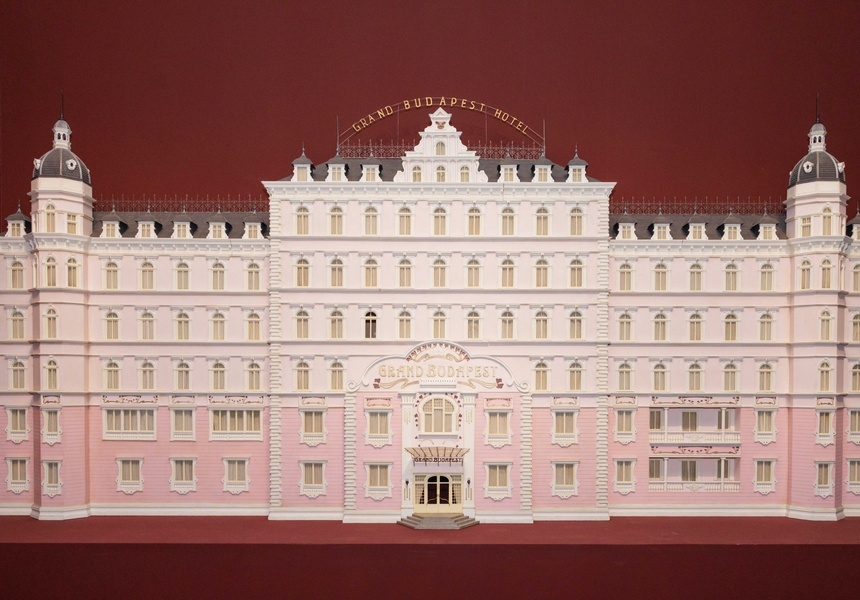
The collection features an imposing three-metre-wide model of the Grand Budapest Hotel, costumes from The Royal Tenenbaums – including the Fendi fur coat worn by Gwyneth Paltrow – and a collection of French Dispatch magazines, from the film of the same name.
There’s also a whole section devoted to Anderson’s stop-motion films and puppets, including video clips of Anderson giving direction notes during the making of Fantastic Mr Fox in London's 3 Mills Studios, which illuminate the precision of his approach.
“They are not simply props, they are fully formed pieces of art and design that make his inventive worlds come to life,” co-curator Lucia Savi says in a statement. For example, the “priceless Renaissance portrait” that Ralph Fiennes’s character Gustave H inherits in The Grand Budapest Hotel was commissioned by Anderson specifically for the film from contemporary British artist Michael Taylor.
Meanwhile, the unmissable audio guide provides reflections from Anderson and collaborators such as Jason Schwartzman, who speaks about his Rushmore audition, and music supervisor Randall Poster who unpacks the Portuguese renditions of David Bowie songs from The Life Aquatic.
The exhibit also features a slew of outfits, including Milena Canonero’s Academy Award-winning costumes from The Grand Budapest Hotel, and a screening of the original Bottle Rocket, 14-minute short film from 1993 that was later developed into Anderson’s first feature.
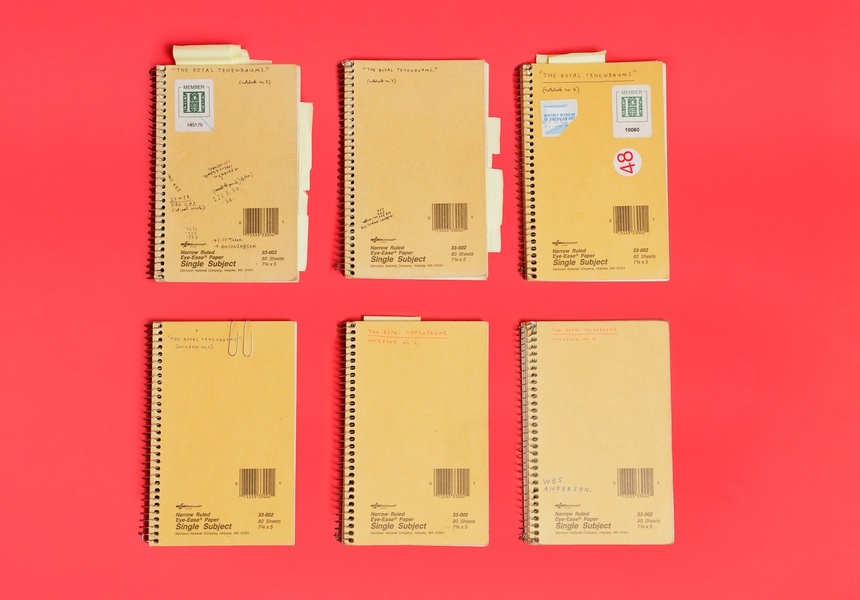
Also on display are Anderson’s handwritten notes and sketches of early film ideas in spiral-bound notebooks. They are a refreshing antidote to the proliferation of CGI making it increasingly hard to tell what’s real or not onscreen. Anderson’s commitment to the analogue and meticulously handmade is radical.
Tickets start at £19.69, which is the year the director was born.
Wes Anderson: The Archives runs from November 21, 2025–July 26, 2026.