There are at least 200 museums in London – without even counting art galleries such as the Tates and the National Gallery – and while big-name institutions are always worth visiting, often the capital's smaller museum spaces are the most rewarding. Not only that, but London’s museum scene is anything but static. It’s always growing, thanks to drastic refurbs and new foundations like the Museum of Youth Culture, and it’s increasingly shaking off the era of dusty glass cases and colonial theft to tell new stories to new generations. So take a meander through some of Broadsheet London’s favourite cultural destinations: a diverse and diverting edit of truly great (and, in some cases, seriously underrated) London museums.
Design Museum, Kensington
For diving into the creative worlds of your favourite films, artists, objects and more
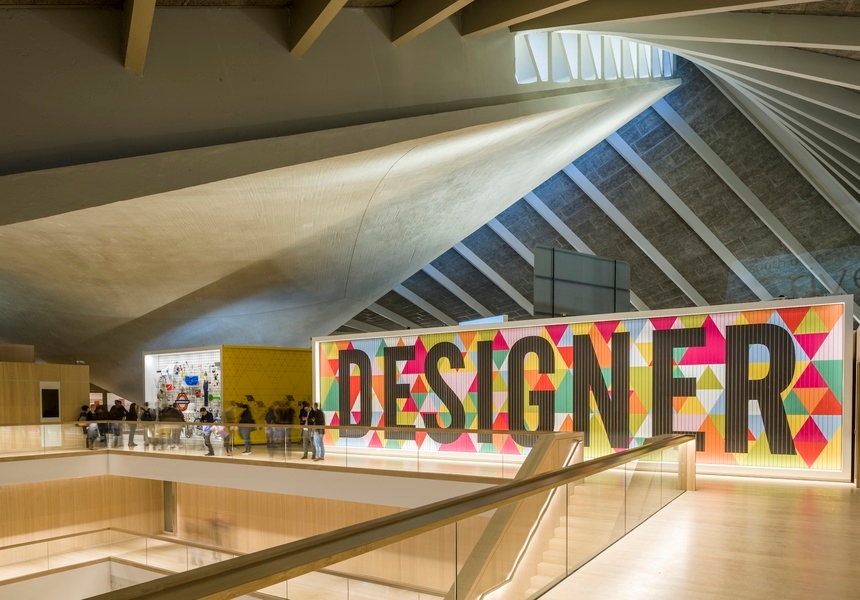
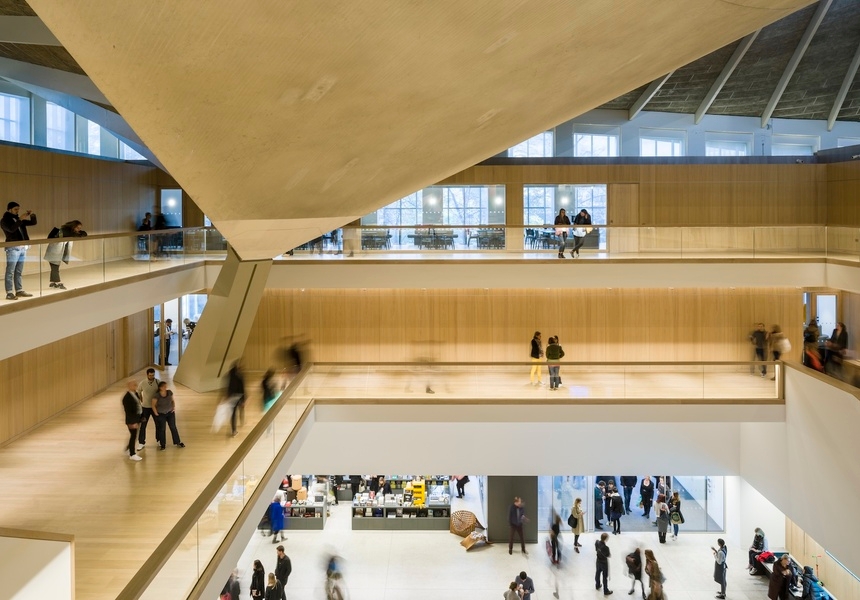
Originally founded in Bermondsey by British design doyen Sir Terence Conran, in 2016 the Design Museum upped sticks to High Street Kensington. It took over the soaring, Grade II-listed Commonwealth Institute building (a design icon in itself, with its hyperbolic paraboloid roof) and now showcases the best of UK and global design across two temporary exhibition galleries. Some shows mine the creative worlds of Hollywood directors (Tim Burton, Wes Anderson, Stanley Kubrick) or brands such as Barbie or Ferrari; others are inspired by subcultural movements, from sneakerheads to New Romantics. A free and permanent display up in the mezzanine throws the focus onto everyday design icons: Levi’s jeans, the London tube roundel and the blue Ikea bag.
Sir John Soane’s Museum, Holborn
For an otherworldly journey through a cabinet of curiosities
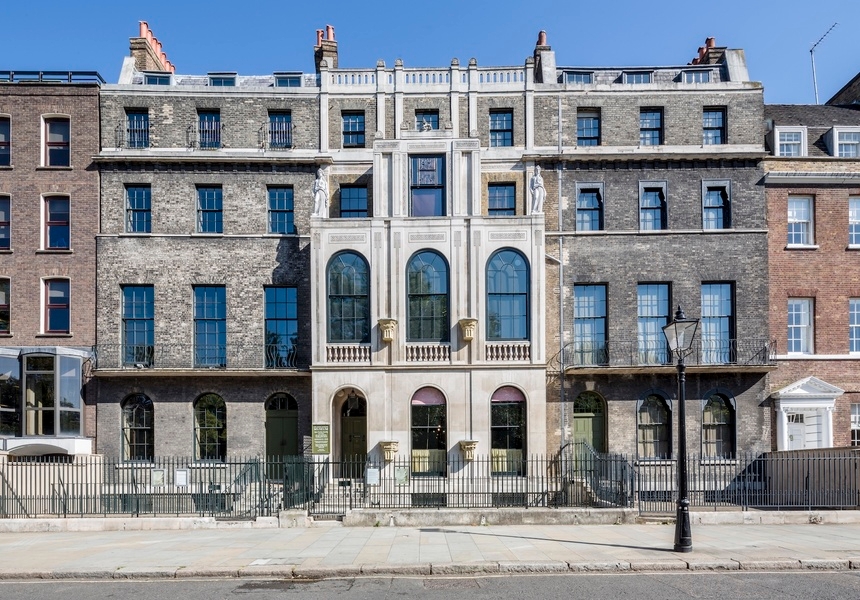
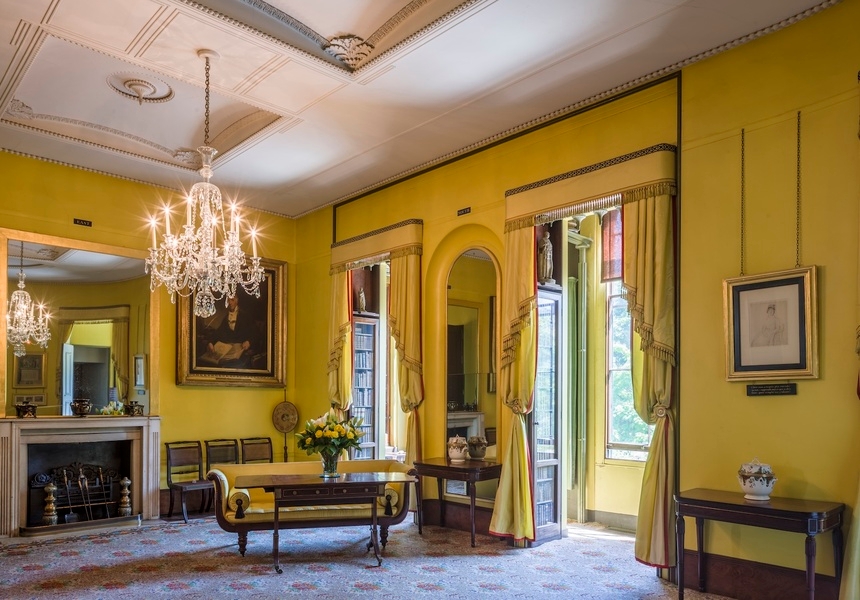
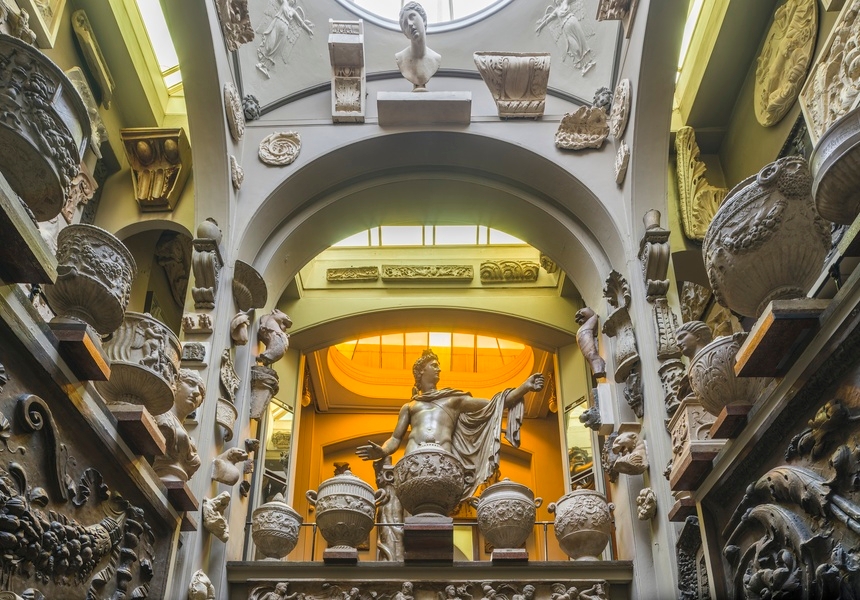
One of London’s truly singular spaces, this was once the home of 18th-century master architect Sir John Soane. As a young man on a grand tour of Europe, Soane began collecting Italian drawings, books and archaeological fragments. His hoard kept on growing until it filled three whole houses on Lincoln’s Inn Fields. Forget decluttering: Soane progressively rebuilt the entire place to fit it all in. Today, wandering through his vast cabinet of curiosities is an overwhelming, almost magical experience – particularly at after-dark Soane Lates, when candles illuminate the thousands of busts, plaster casts, funeral urns, clocks, vases, prints, death masks, illuminated manuscripts, paintings, bits of buildings from all over Europe, and even the sarcophagus of an Egyptian pharaoh.
Horniman Museum, Forest Hill
For the whole package of beautiful grounds, animal encounters and fascinating displays
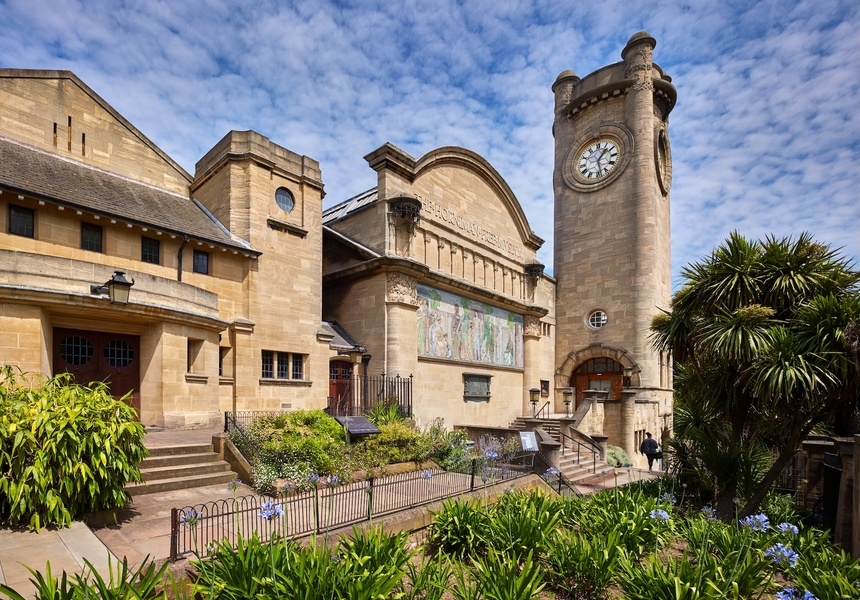
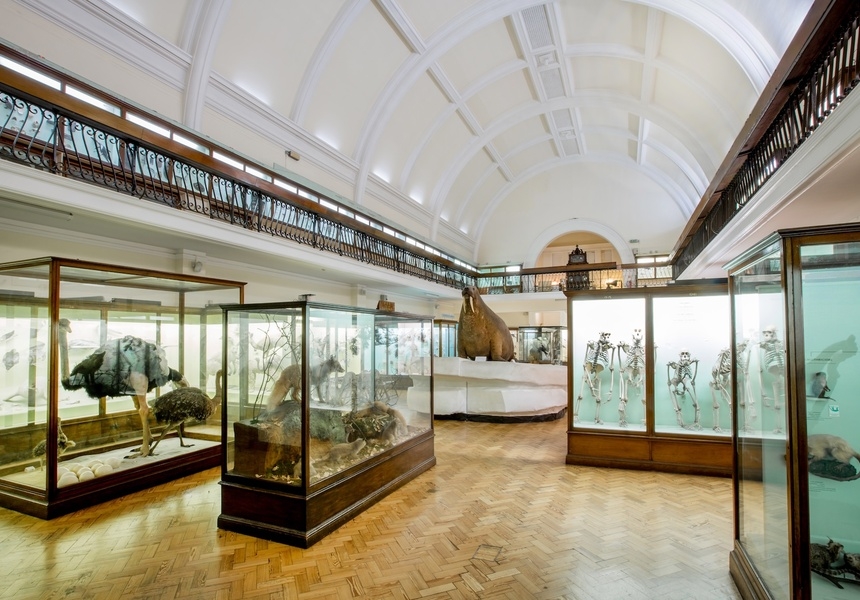
The Horniman is a south London institution, welcoming generations for a day out at its splendid Forest Hill estate. Tea heir Frederick Horniman founded it in 1901 to house the eclectic collection of artefacts that he had, ahem, acquired around the world. Some, such as a collection of Benin Bronzes, have been returned home in recent years, but there are still more than 350,000 objects in the collection. The Horniman devotes a whole gallery to indigenous cultures from every inhabited continent, and another to musical instruments, with fun click-to-listen digital displays. The natural history gallery, including a hilariously overstuffed walrus – the Horniman’s unofficial mascot – reopens soon after a major refresh. There’s also the atmospheric underground aquarium, the lovely conservatory and butterfly house, and even a little petting farm – all of which makes the Horniman a major draw for parents as well as curious adults. No visit is complete without exploring its extensive grounds; stand on the bandstand terrace and take in sweeping views of south London, including the striking modernist Dawson’s Heights housing estate.
Fashion & Textile Museum, Bermondsey
For an ever-changing array of seminal looks
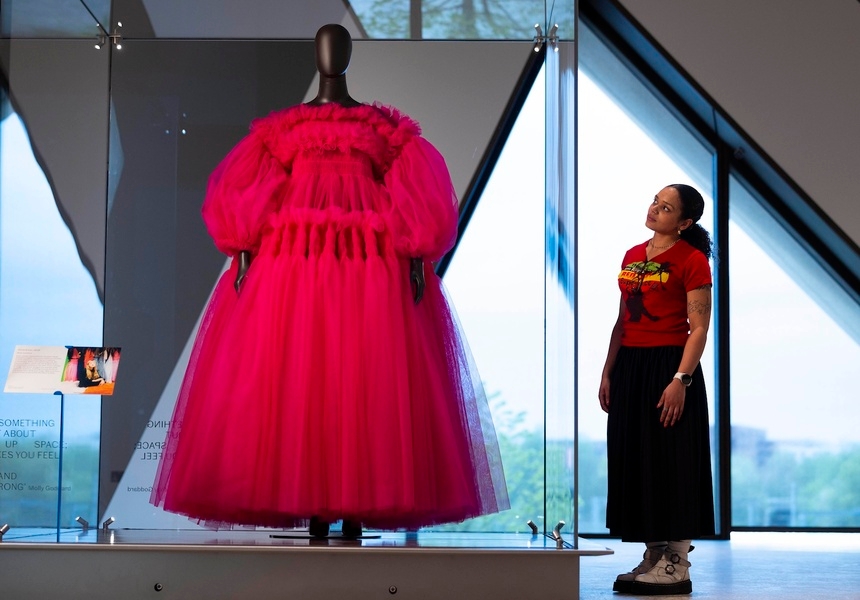
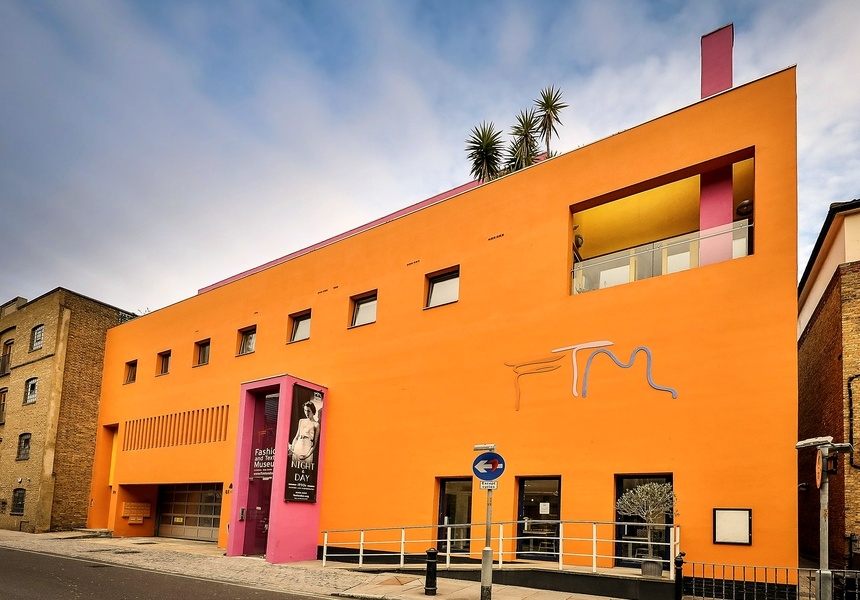
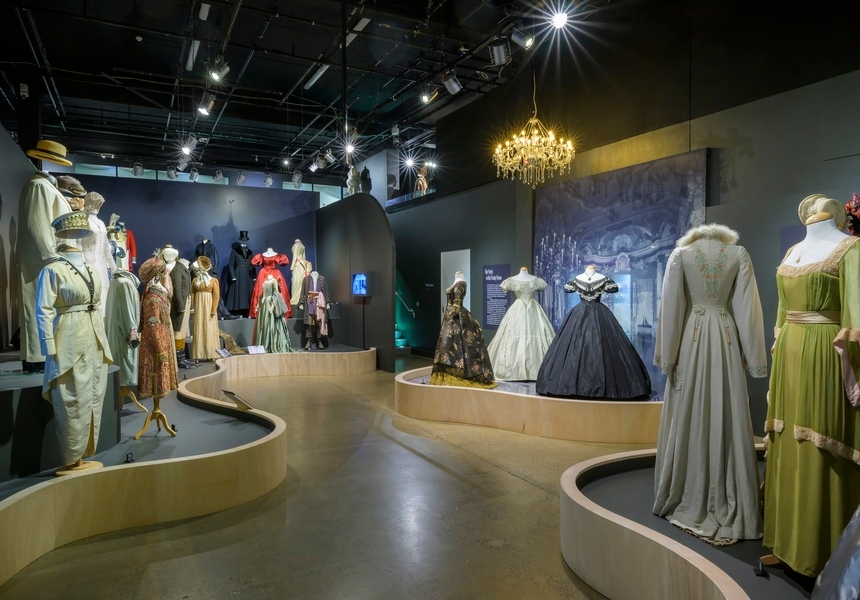
A London legend, the colourful fashion designer Zandra Rhodes, is responsible for this bright orange-and-pink landmark on Bermondsey Street. Rhodes’s studio and penthouse flat are above; down below, the museum she founded showcases fashion and textile design across the centuries in a series of ever-intriguing exhibitions. From film and TV costumes to real 18th-century dresses via Biba, Leigh Bowery, Andy Warhol and contemporary designers like Orla Kiely, the shows here are small but full of surprises. Like Rhodes herself, this place takes pride in never being boring.
London Museum, City (opening late 2026) and Canary Wharf
For stories that have shaped the capital (and soon, some seriously good food)
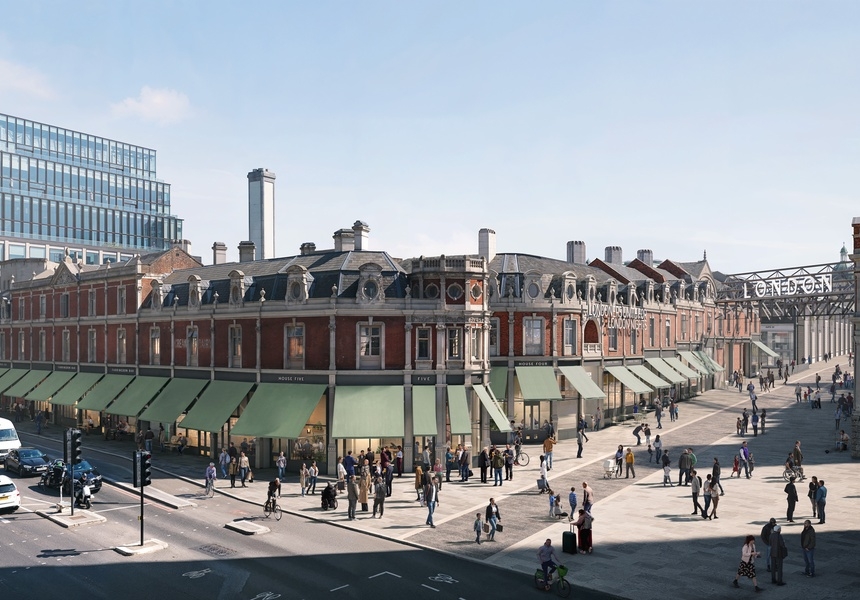
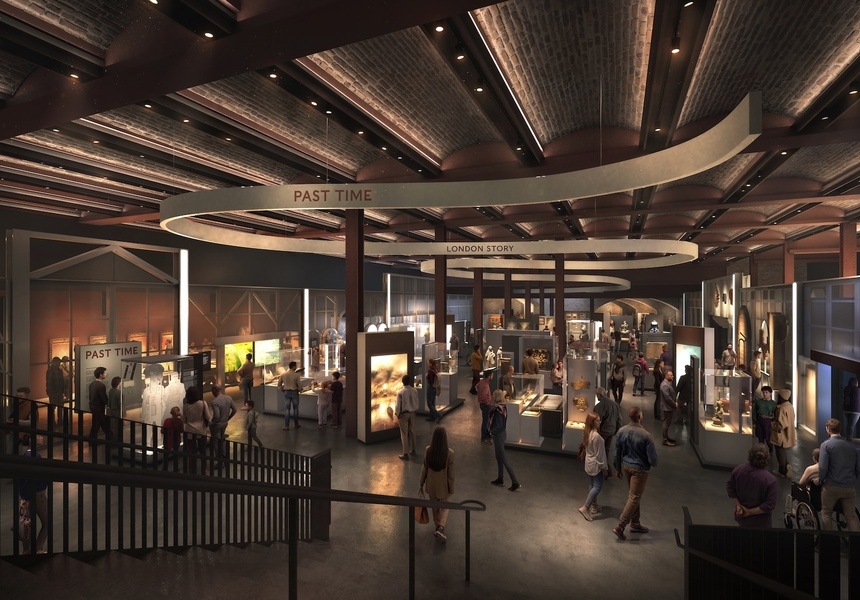
With more than 2000 years of history to draw on, London has no end of stories to tell. And very soon, it’ll have a new space to tell them: the reinvented London Museum, which opens in late 2026. Formerly ensconced in a fortress-like brutalist roundabout near the Barbican, the museum has spent 11 years and £437 million on a grand reinvention and relocation to former market premises in Smithfield. Underground galleries will display a sweep of treasures – everything from Roman remains and Elizabethan jewels to pieces from the 2012 Olympics – and the ground floor will rotate mini-exhibitions about London today, alongside an edit of shops, restaurants and cafes co-curated by chef Robin Gill. More exhibition and archive spaces are due to follow in 2028, in the former Poultry Market next door. Although it’s not open yet, we know enough to say with confidence that this will be one of London’s greatest museums. And until then, you can visit the smaller but equally fascinating London Museum Docklands, which documents how London has been shaped by its river and port.
Black Cultural Archives, Brixton
For exhibitions bringing the Black British experience to life
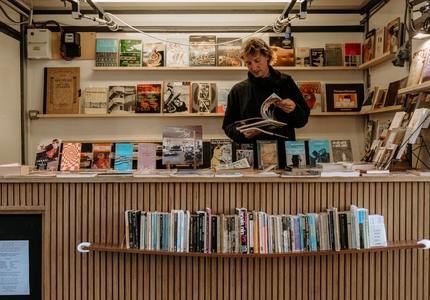
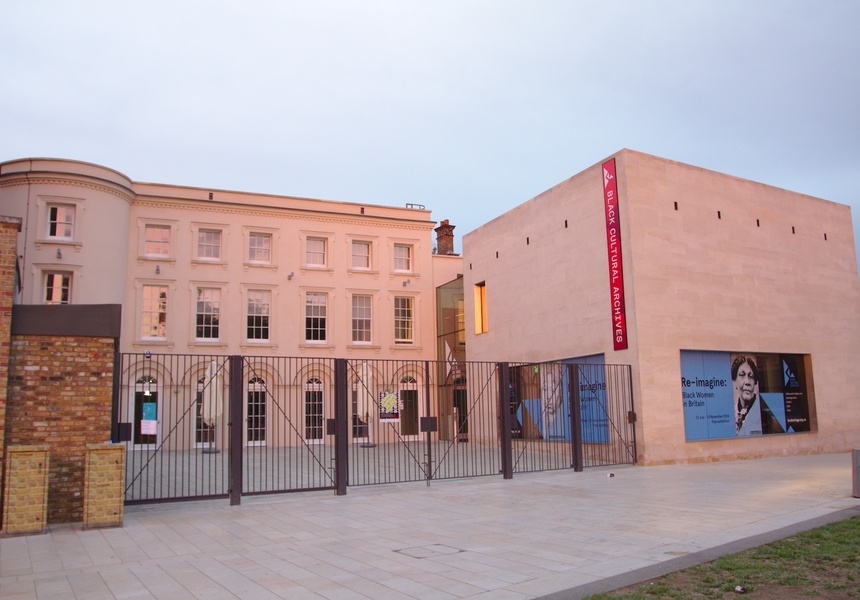
Brixton’s Windrush Square is a worthy address for the UK’s dedicated museum of Black British life. Arriving on ships like the HMT Empire Windrush to help rebuild after World War 2, a generation of Caribbean immigrants defied racism to forge new lives and communities in Britain. Brixton was one of the cultural centres of this so-called “Windrush generation”, and the Black Cultural Archives is one of many local institutions helping keep that legacy alive. The BCA was originally founded as a community project, and its exhibitions often shine a light on unsung aspects of the Black British experience – mental health, home life, intergenerational relationships – as well as art, music, protest and Black excellence. The museum also does important community and education work, and there’s an excellent little bookshop.
Queer Britain, King’s Cross
For inspiring stories of LGBTQ+ resilience and joy
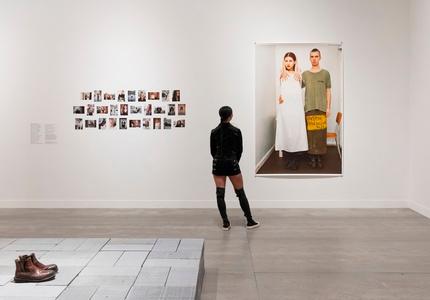
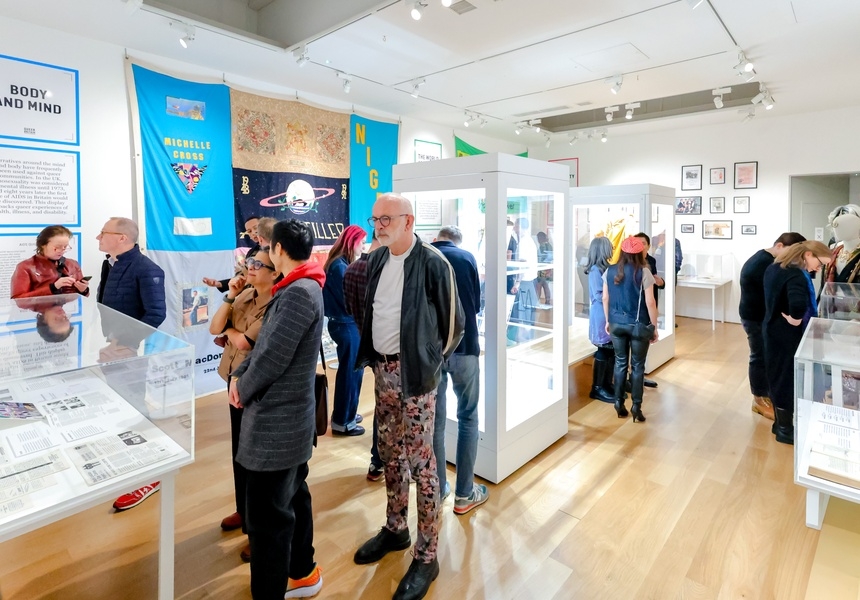
The first museum in the UK to put its focus on the story of LGBTQ+ Brits, Queer Britain is another small space tackling big topics. Recently refurbished, its gallery spaces document both the light and darkness of British queer life: love, parties and culture alongside repression, discrimination and the generational spectre of AIDS. Trans, non-binary and gender-diverse stories are woven through both the permanent gallery and special exhibitions, with everything from protest banners and rave flyers to artworks and even a display of medals won by Olympic diver Tom Daley. The shop is well worth a visit: it’s co-curated by Bloomsbury’s veteran queer bookshop Gay’s The Word.
Wellcome Collection, Euston
For digging into what it is to be human
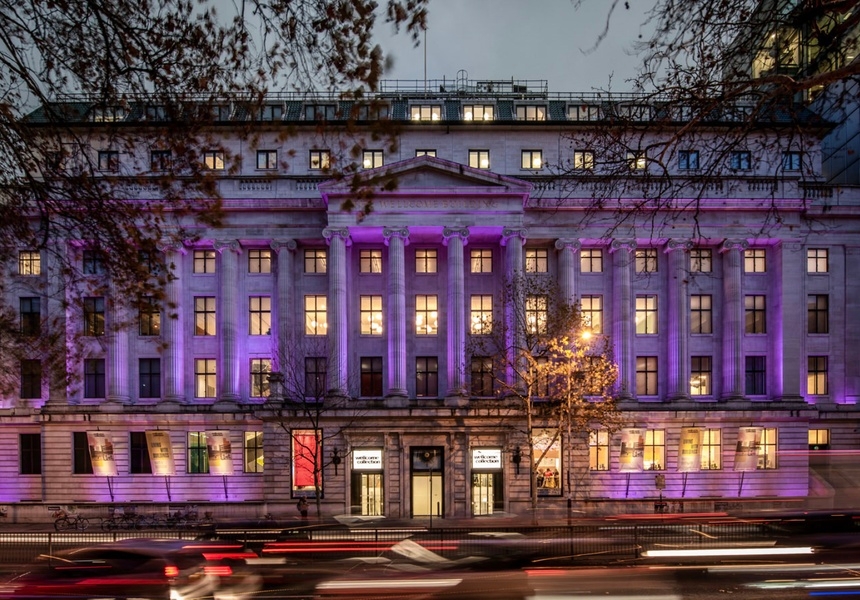
The Wellcome Collection owes its existence (and its monolithic home on Euston Road) to Victorian pharmaceutical tycoon Henry Wellcome. His fortune and his obsessive – and now controversial – collection of medical artefacts underpin one of London’s most imaginative museums. So much more than a clinical archive, the Wellcome Collection uses health and wellbeing to dig into the experiences we all share. The last few years have seen shows devoted to age, birth, thirst, work and beauty, yoking together unusual historic artefacts with contemporary art installations that shed light on disability, d/Deaf culture or neurodivergence. It’s a place that can reshape your whole thinking about what it means to be human.
Garden Museum, Lambeth
For one of London’s greenest restaurants
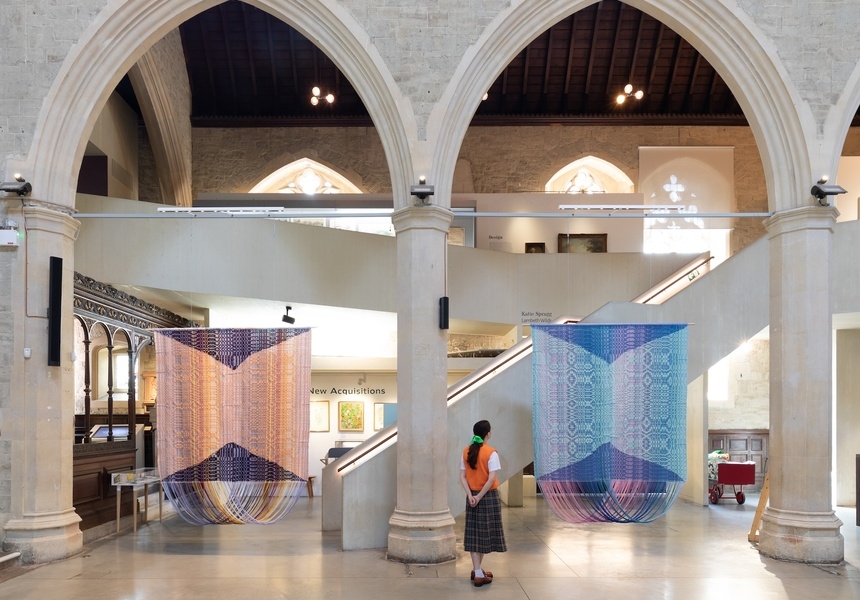
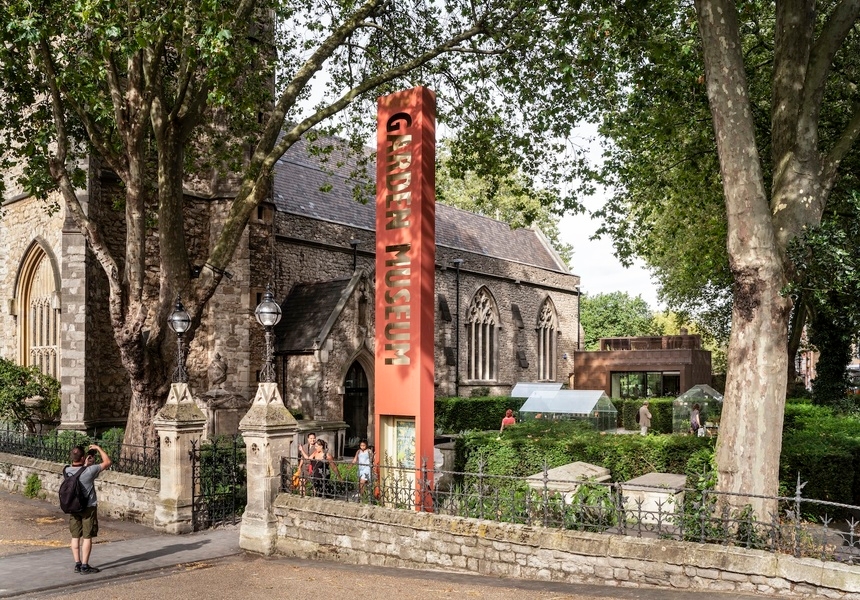
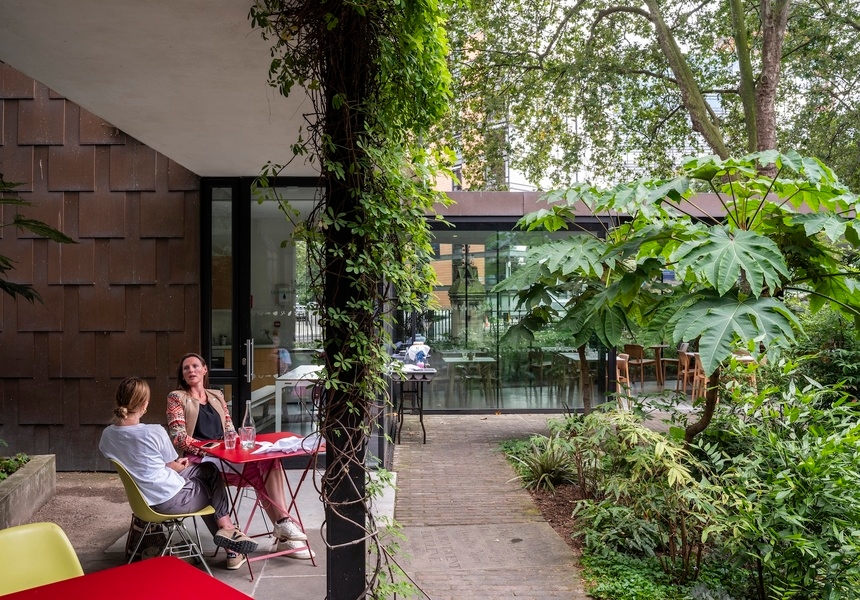
A rare and beautiful place, the Garden Museum occupies a former church on the southern bank of the Thames. Ostensibly the world’s first museum to trace the history of horticulture, its 10,000-strong collection includes vintage lawnmowers, seed dibbers and watering cans; fine-art paintings and photography documenting Britain’s great gardens; botanical prints and garden plans; and horticultural relics such as the battered boots of pioneering garden designer Gertrude Jekyll. A special exhibition space might be devoted to plant-inspired art or to the history of unique sites such as Derek Jarman’s shingle garden at Dungeness. For those who lack green fingers, it’s worth the journey to Lambeth just to eat at the Garden Cafe restaurant. Chef Alex Jackson’s team serves a daily menu of seasonal kitchen-garden produce, in a light-filled courtyard space built around the church’s historic tombs.
V&A, South Kensington, Bethnal Green and Stratford
For a day spent exploring a treasure trove of creativity
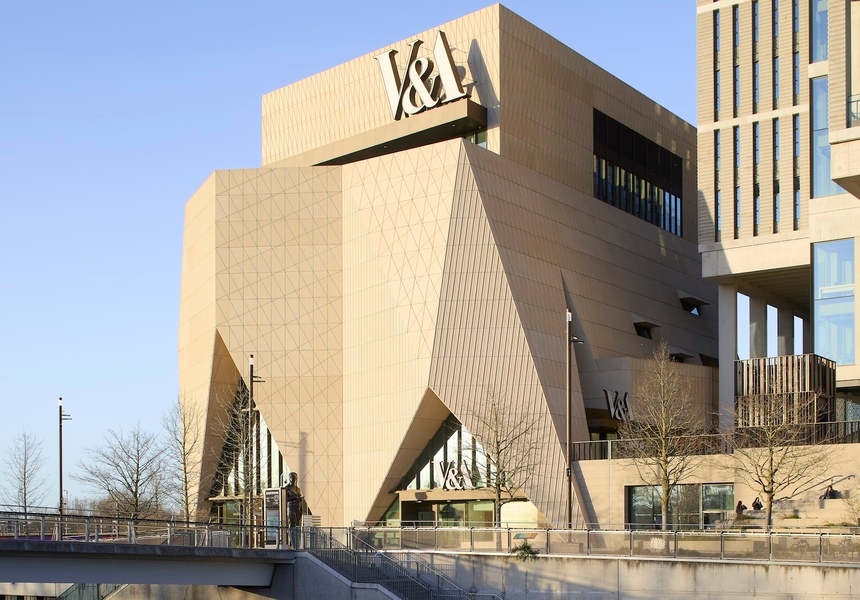
The mighty Victoria & Albert Museum is a cultural behemoth: the world’s biggest collection of applied arts, with a collection of three million objects that includes everything from medieval sculpture to contemporary fashion and even whole chunks of architecture. The main site at South Kensington is a Victorian labyrinth of treasures, with a string of innovations to its name: it opened the world’s first gallery cafe, was the first British museum to host a rock concert, and pioneered blockbuster exhibitions spotlighting modern-day icons like David Bowie and Alexander McQueen. In the last couple of years, its London footprint has kept growing: joining the longstanding Young V&A in Bethnal Green, the V&A East Storehouse and Museum have brought a fresh take on the museum’s cultural mission (and two delicious cafes, one by Jikoni, the other by E5 Bakehouse) to Stratford’s Olympic Park.