The Counter is a weekly column from award-winning restaurant writer and broadcaster Jimi Famurewa. Sign up to get The Counter first, sent to your inbox every Wednesday.
Hello again.
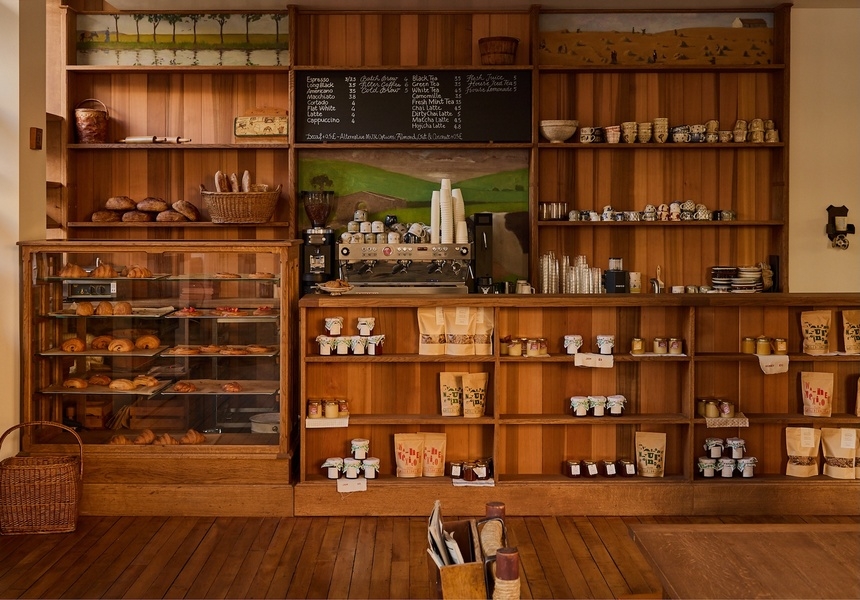
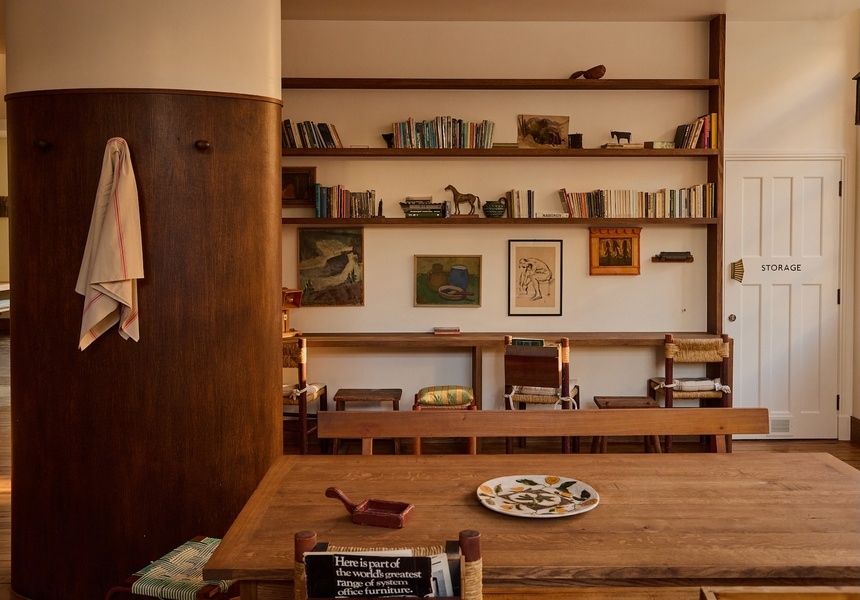
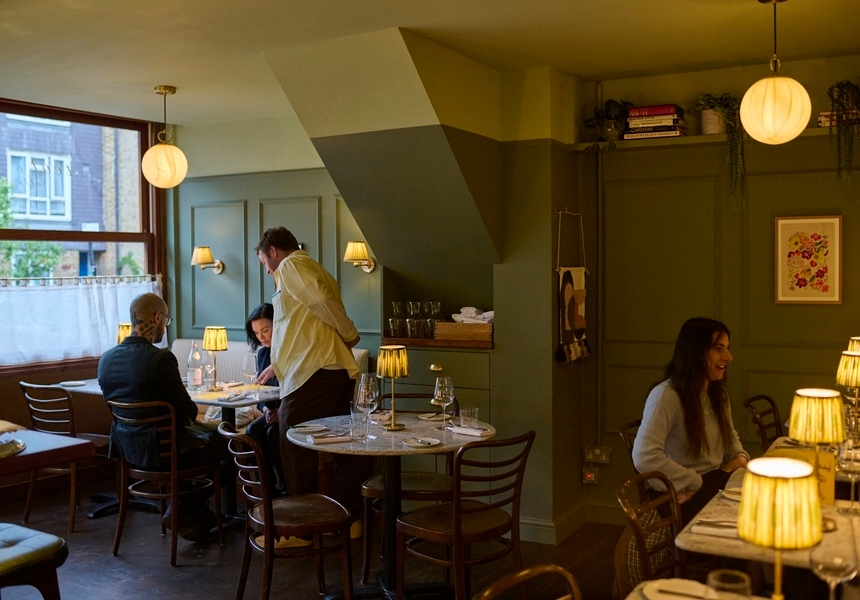
I don’t think anything can prepare even the most seasoned, seen-it-all Londoner for the late-morning rush at Cremer. This all-day cafe-restaurant off Kingsland Road that, from the moment it stealth opened in mid-summer, appears to have activated something profound and unbridled in Hoxton’s collective consciousness. Hordes of locals loiter beside neat wooden shelves of £9 granola and cloth-topped artisanal jams, as discordant chillwave drifts from vintage speakers. Scores more ferry high-sided block trays of coffees in patterned crockery towards a conversation pit sofa or out, beyond the clatter of an open dining room, to a garden choked with pensive Macbook hobos and stick-and-poked ecstatic dance enthusiasts. When there is no space at the coveted shared laptop table in the book-lined library nook – and this is normally the case after about 11am – it’s not unusual to see people bedding down on the floor, as if they were on an oversubscribed Avanti train out of Euston.
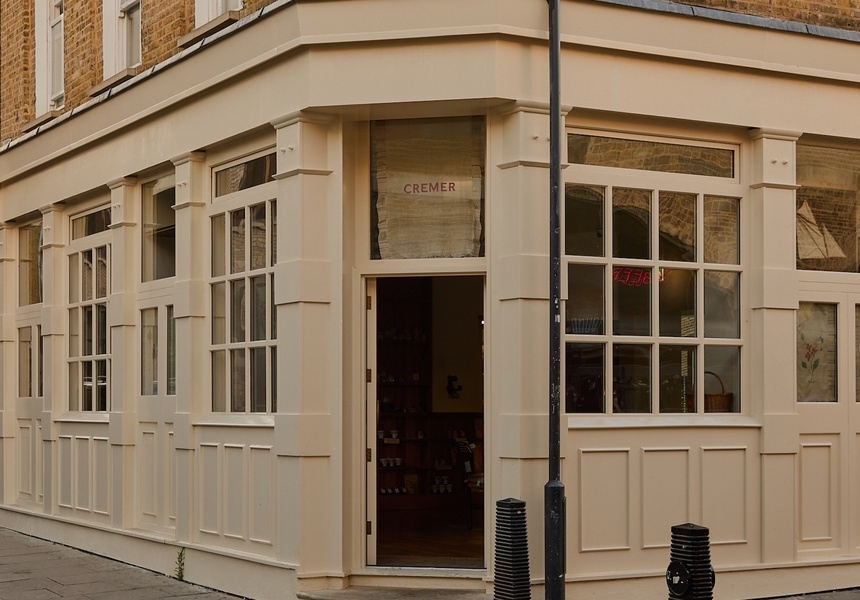
Cremer (situated adjacent to the Museum of the Home and born from a collaboration between Dalla founder Gennaro Leone and Space Talk owner Abou Chalach) is both madly alluring and mildly irritating – a perpetual scene and unprecedented phenomenon that has impacted Hackney like a cottagecore bomb and, mere months into its life, already feels like it could be one of the more quietly influential openings of the year. But, perhaps more impressive than all that, is this: it has completely changed the trajectory of a restaurant location that had long looked bafflingly inhospitable to the point of being hexed.
The terrific first guise of Molly’s Cafe from The Anchor & Hope team. A muddled tapas pop-up run by a catering firm. An even more muddled Molly’s 2.0, slinging shakshuka and smashburgers in an oddly provincial barn of a space. All of them failed, and no operator seemed able to make this sprawling converted pub space work (it was formerly a neighbourhood boozer called the Marquis of Lansdowne) until the aesthetes behind Cremer found a way. And so it got me thinking about one of the London dining scene’s most persistent mysteries and assumptions. Can restaurant sites really be cursed? And what, if anything, can be done to shift the narrative on a problematic location?
“I think, fundamentally, there’s no such thing as a cursed site,” says James Ramsden, food writer, chef and former operator, alongside his partner Sam Herlihy, of restaurant businesses including Pidgin and Sons & Daughters. “There’s just certain concepts that are right for some sites and certain concepts that really aren’t right for others.” Ramsden has experience of both sides of this. At Pidgin (which once lay in the tiny space that is now Teal by Sally Abé), he notes that the smallness of the room and lack of guaranteed footfall nudged them towards the higher guaranteed spend of a tasting menu concept.
Yet he can now see that a short-lived second outpost of sandwich spot Sons & Daughters in Borough Market – located in the unit that would become Camille – was an awkward fit from the start. “We were so excited about the idea of being in Borough Market that we probably didn’t even stop to think: ‘Is this the right site? Is it the right unit?’” he says. “And, clearly, it wasn’t because the whole vibe of [the space] is sort of dark evenings, cosiness and candlelight, which Camille has done so well and, as well as the incredible food, is why Camille works brilliantly. It’s about not trying to fit a square peg in a round hole.”
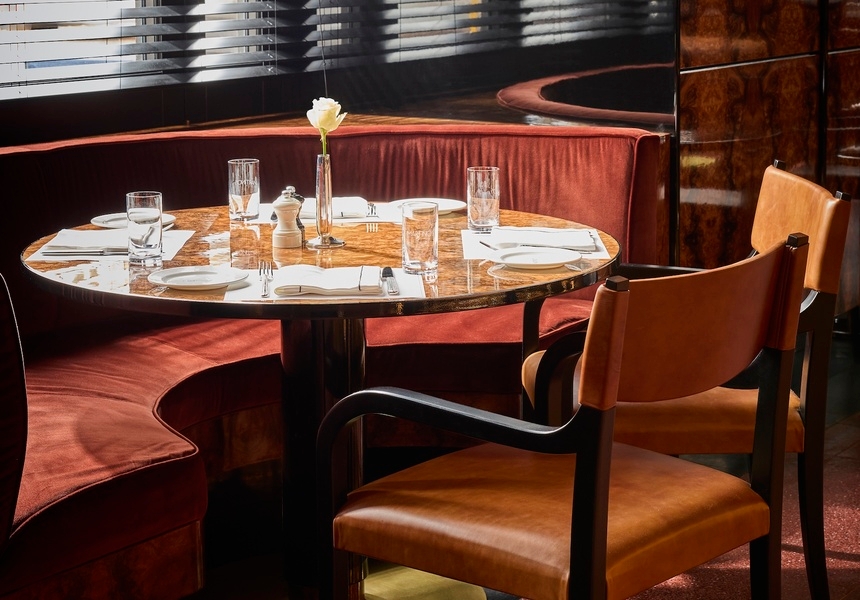
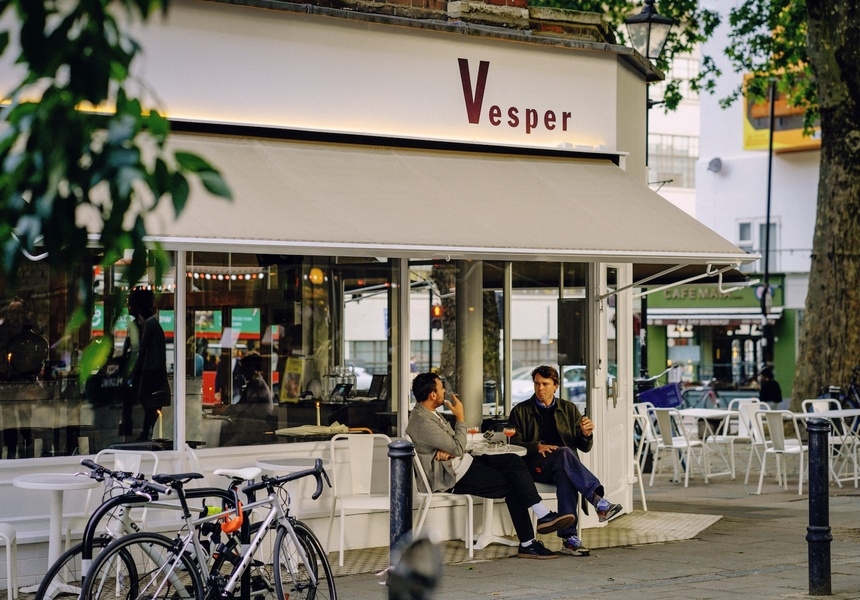
This sense of “cursed” sites merely being locations that haven’t yet found a well-matched concept is borne out by the data. Berenjak Borough Market (not far from Camille) was once Flor, and tagged as an awkward space; Jackson Boxer’s still-shimmering Vesper occupies a corner berth that (through its chequered life as Taqueria, a Grind cafe, Cafe Pistou and Paesan) has historically been viewed as trickier than it initially appears. “The places that work in tricky spots make the most of their limitations, rather than trying to overpower them,” notes Ramsden.
That said, as a veteran restaurant property agent and consultant speaking on the condition of anonymity reminds me, there are some problem fundamentals that cannot be easily overcome. One is ruinously high rent and an intractable landlord. “If the rent is pitched at a level that is unsustainable then it just means it’s going to be impossible to run a decent business there,” they say. Another issue is a site that, despite an outwardly attractive location, has physical quirks that put it at a disadvantage. “Look at 2 St Anne's Court,” says the agent, identifying the stubbornly hexed Soho address that has been Kod, Block, Zelman Meats, Rex and Mariano, Vodka Revolution and many others. “It’s changed hands probably five or six times in the last seven years, and one of the problems is it’s this reasonably dark passageway that hasn’t got a great line of sight and has outdoor space that’s not particularly enticing.”
So what’s the answer? Is the cursed vs not-cursed paradigm just chaos, rather than something solved by a particular code, lots of lit sage and some muttered prayers? “A cursed area can be retrievable but a cursed site is sometimes not,” says the agent. “You only need to look at Notting Hill. In the 1990s it was the place to be and then, once Shoreditch got going, suddenly everywhere in Notting Hill beyond The Ledbury was cursed. Now, it’s seen an absolute redemption arc, so it just needs that cluster of places, that strength in numbers, to stop sites being cursed.”
Cremer – which has sensibly subdivided an unhelpfully huge space and identified an appetite for curated, homely spaces – has reminded us that almost any dormant space can have a rocket lit under it. Go along, nibble at a superb, glossy cardamom bun and witness the turnaround for yourself. But don’t be surprised if you can’t find anywhere to sit down.
For Jimi Famurewa’s dish of the week, sign up to get The Counter first, sent to your inbox every Wednesday.
Got a question about London's dining scene that you'd like Jimi to answer, or a hot tip about a great place to eat or drink in London? Email jimi@broadsheet.com.