Frieze is here – and artists, dealers, and aficionados are making their annual pilgrimage to Regent’s Park. The people-watching is a reason to attend in itself, but some of the fair’s best discoveries come recommended from artists themselves.
Now in its fourth edition, Frieze London’s Artist-to-Artist series invites established figures in the art world to nominate peers whose work deserves greater visibility, giving each a solo presentation at Frieze London. It’s a great way to discover artists through the eyes of those who admire them, and the solo shows are included in the general admission pass for Frieze.
Broadsheet spoke to three of this year’s nominators about what caught their attention and what visitors should look for, from the dreamlike light in Paul Robas’s paintings to the architectural forms of Unathi Mkonto’s sculptures and Caroline Monnet’s tributes to the generations of Indigenous makers who came before her.
Paul Robas
Selected by Louise Giovanelli (Alice Amati, London)
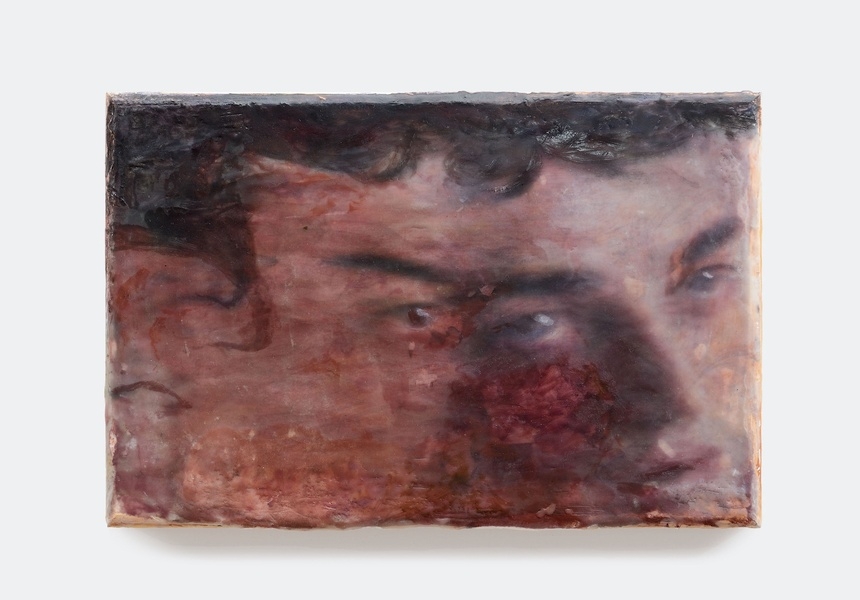
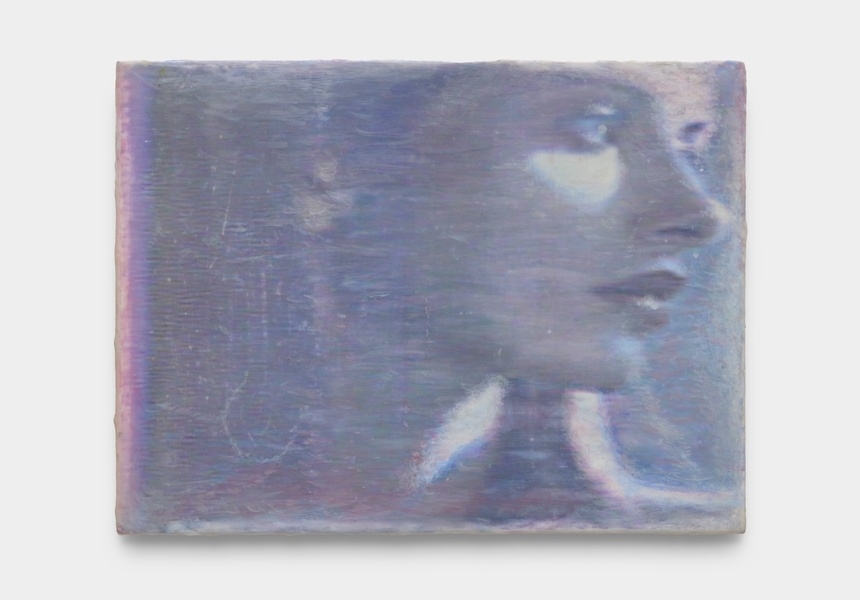
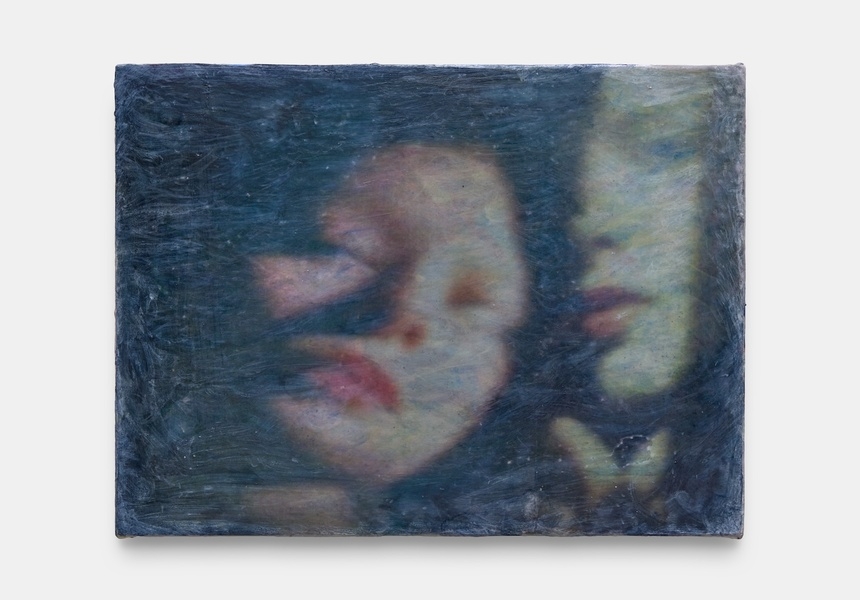
Paintings by Vienna-based artist Paul Robas can often feel almost touchable, their blurred, layered surfaces revealing figures that seem to emerge from smoke, fog or perhaps a distant memory. Working from photographs of strangers and his personal archive, Robas builds up these hazy surfaces with oil and encaustic, drawing viewers in while keeping the image shrouded in ambiguity. British painter Louise Giovanelli first encountered his work online, struck by its “jewel-like quality”, and recognised an affinity with her own fascination with fleeting reflections. “He was attempting to paint light as content, not merely as illumination,” she tells Broadsheet. For Giovanelli, the work transforms rather than simply reproduces the photograph: “It both seduces and distorts; it invites and eclipses”. That tension keeps viewers searching for answers. In Long Story (2026), part of his Frieze presentation, a digital photograph becomes a layered painting in which a man’s face seems caught between two overlapping memories. Giovanelli encourages visitors to notice “the way light sits in the wax and oil”.
Unathi Mkonto
Selected by Yinka Shonibare (Goodman Gallery)
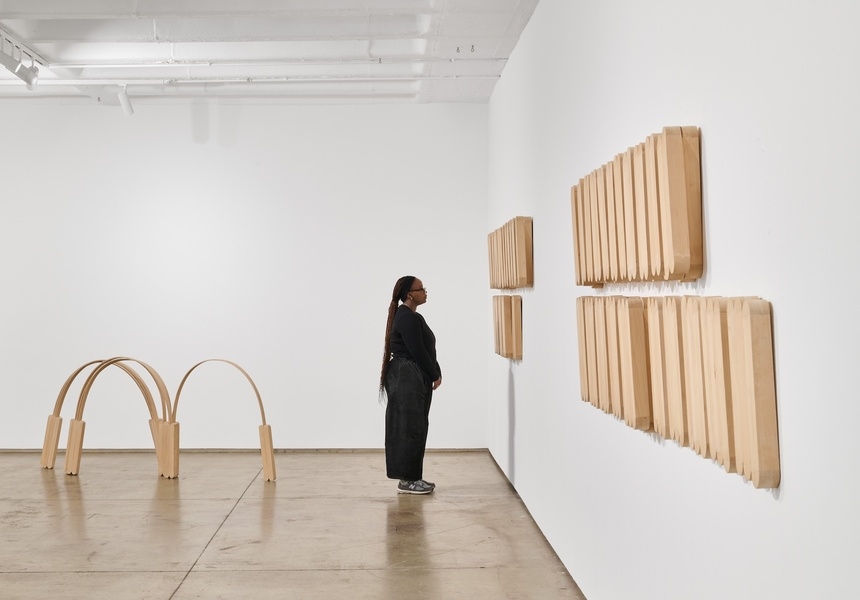
Unpainted beechwood and architectural forms meet in Unathi Mkonto’s sculptures, which explore how space can embody division, movement and adaptation. Yinka Shonibare – whose work incorporates sculpture, painting, photography and more – encountered the Cape Town-based artist’s work at Goodman Gallery and nominated him for his distinctive approach to sculpture, drawn to the interplay of materials, architectural forms and local narratives. For Shonibare, the questions extend beyond physical form: “The work deals with the notion of boundaries, the question of access and privilege. A question which still resonates from the apartheid era in South Africa today”. He singles out Mkonto’s installation If Joburg had a beach as “distinctly different from other sculpture exhibitions I have seen in recent years”. At Frieze, he encourages visitors to explore how a new body of work, Lines become waves and waves become infinite waves (2026), reimagines architecture as a living, mutable condition rather than a fixed structure – inspired and shaped by apartheid spatial legacies, a deliberate tool to engineer South Africa’s landscape to enforce racial segregation.
Caroline Monnet
Selected by Jeffrey Gibson (Blouin Division)
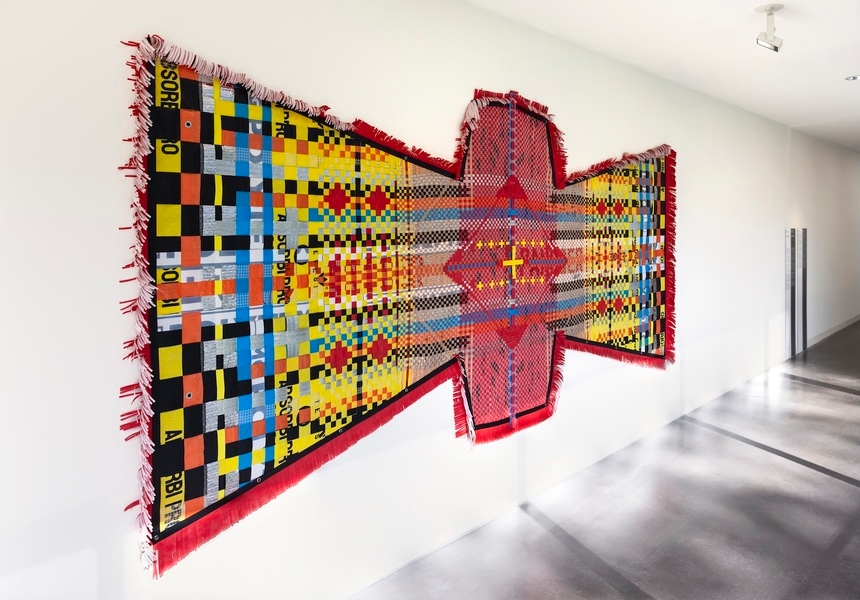
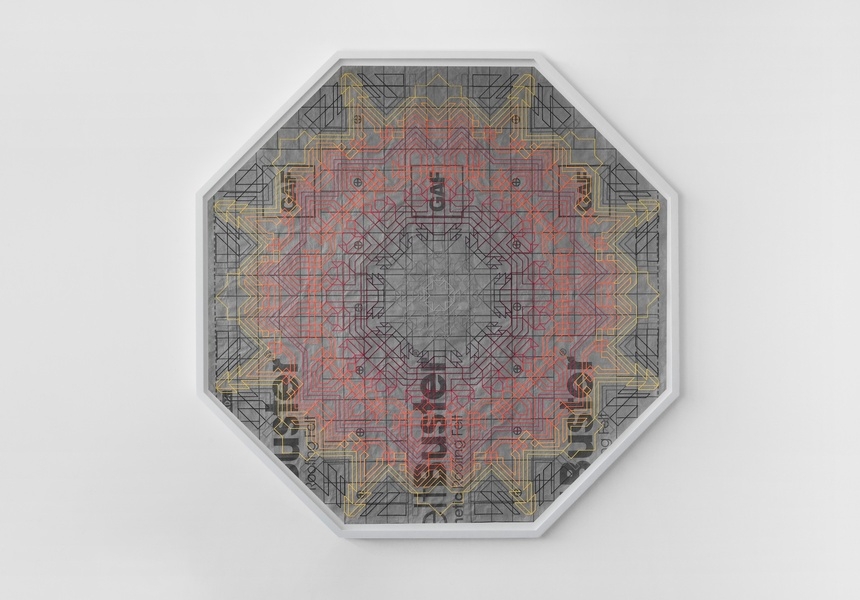
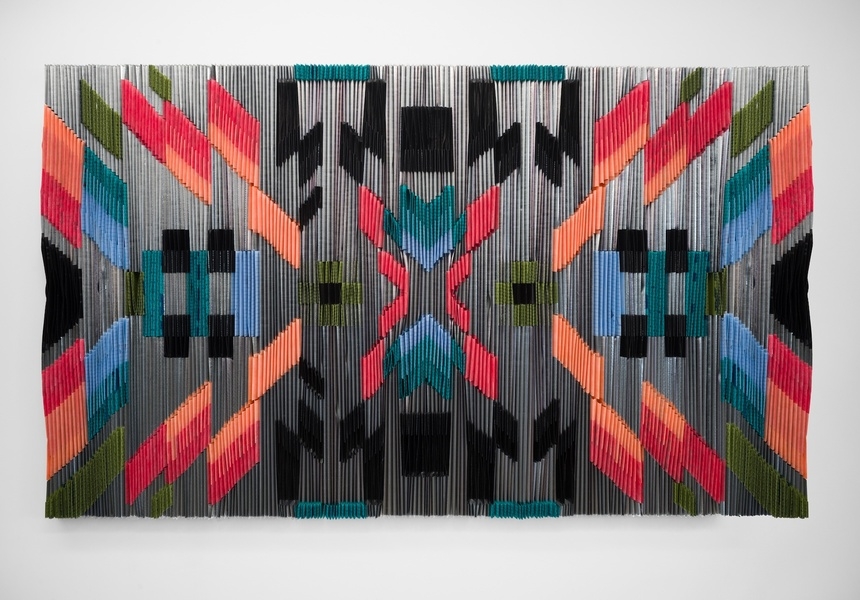
Industrial construction materials become vehicles for Indigenous storytelling in Caroline Monnet’s woven and embroidered works. Drawing on the design sensibilities of the Anishinaabe (the Indigenous peoples from to the Great Lakes region of Canada and the United States), she explores the strengths and challenges of First Nations communities in Canada. Jeffrey Gibson – an American Mississippi Choctaw/Cherokee painter and sculptor – first met Monnet at an exhibition in Winnipeg in 2011 and has watched her practice develop across film, sculpture, installation and photography. “Caroline’s combination of contemporary materials and her references to Anishinaabe design is bold and unapologetic,” he says. Familiar characteristics of modern painting and sculpture become a way to rethink colour, pattern and cultural narratives. In her presentation, Gratitude (2026), she reflects on a world driven by mass consumption and accelerating economic growth. For Gibson, “gratitude as an act of resistance” is central to her practice, and her individual works can be understood as homages to family members, communities, and their values. Monnet acknowledges the people behind her creations, ensuring viewers recognise “a lineage of powerful matriarchs, makers and culture bearers who preceded her”.
Frieze London takes place in Regent’s Park, October 14–18.