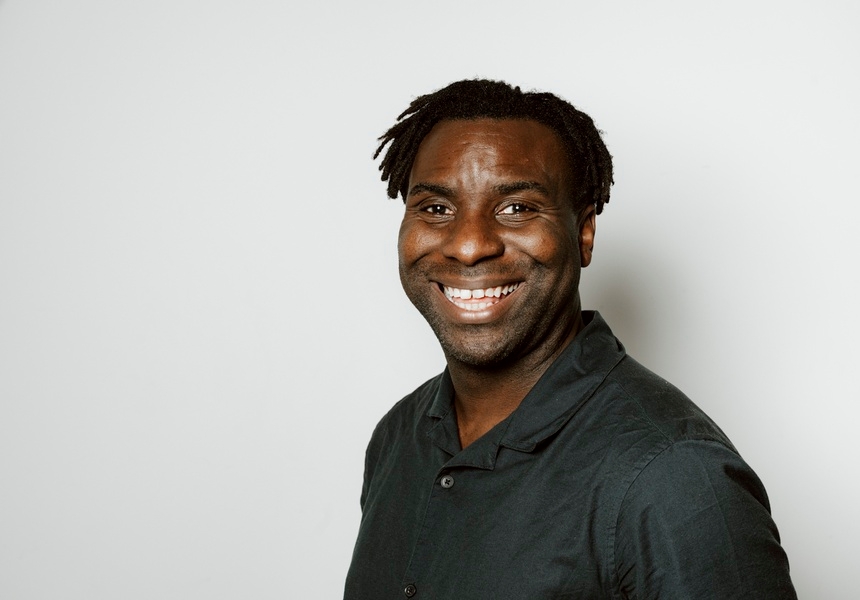
One of the most defining creative breakthroughs of London’s restaurant year actually took place in New York in late 2024. Visiting the US city last winter, Jackson Boxer – the thoughtful, loquacious chef-founder behind excellent establishments like Brunswick House and Below Stone Nest – had a moment of quiet but world-shaking revelation regarding how food businesses on opposite sides of the Atlantic were choosing to meet the economic moment. “One of the things that really impressed me [about New Yorkers] was their ability to make people happy through food without feeling somehow debased by the process,” he said to a trade publication in January. “Even the edgier, niche restaurants in New York have a cheeseburger or a variation of a caesar salad on the menu. [So] why are we making it so hard for ourselves? Let’s think less about pursuing a creative agenda and more about giving people food that makes them happy.”
This light-bulb moment, of course, gave us Dove, Boxer’s wildly successful reboot of specialist seafood joint Orasay, which supercharged the chef’s reputation and underlined Notting Hill’s gastronomic renaissance (as well as giving us the limited-run gorgonzola burger that launched a thousand lustful Instagram posts). To look back at Boxer’s spookily prescient words after the 12 months of London dining we’ve just experienced is to wonder whether he has access to a secret Tardis or DeLorean. The sexy, Manhattanite razzle-dazzle of One Club Row and Carbone; the comfort-forward theatre and glitz of Lilibet’s and Legado; the fact that the soaring, flagship space at London St Pancras, long one of the most coveted dining rooms in the capital and a gilded platform for big-name chefs, is now home to a gigantic branch of Hawksmoor.
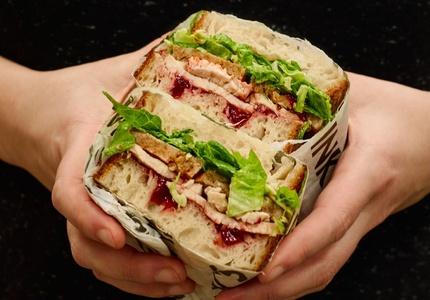
Life tends to resist tidy narratives. The whirling chaos of the London food world – which, this year, encompassed everything from an actual fire at the Chiltern Firehouse to the cratering of Salt Bae’s restaurant empire – spews out all manner of conflicting plot lines, themes and messages. All the same, when I think of how most of us have eaten over the last 12 months, when I think of the potato breads with dipping gravy, the crackle-edged New Haven-style pizzas, incendiary plates of Singburi Thai, and intensely porky bifanas at The Macbeth, I think there can be no real argument. 2025 was undoubtedly the year that gastronomy in this food-obsessed city of ours fully shifted to what we might call “sophisticated simplicity”.
So if tableside caesar salads, dripping tavern burgers and hulking, say-when slabs of tiramisu were the big winners of the year, who were the losers? Well, let us say that it has been a challenging period for the kind of high-wattage star chefs who once bestrode the fine-dining landscape. Lots of enormously talented and acclaimed names contracted to revered institutions – Akira Back at the Mandarin Oriental, Tom Kerridge and others at Harrods, Victor Garvey at the aforementioned St Pancras London – were suddenly relieved of their duties. Other closures sent shockwaves through the industry, whether it was the unexpected demise of modern British trailblazer Lyle’s, the disappearance of Douglas McMaster’s zero-waste pioneer Silo, or Claude Bosi being forced to shutter his beloved restaurant and oyster bar at the Bibendum building.
Still, pressure makes diamonds. One by-product of the unforgiving trading environment that London restaurants find themselves in is that 2025 has also been a banner year for adaptability, creativity and teeth-gritted determination. Not just in collective willingness to adapt to GLP-1 drugs (hello adorable miniature cocktails) or bring late-night dining back from the brink of extinction (a move exemplified by Jeremy King, debonair patron saint of the wee-hours Martini, introducing a special night owls discount at his establishments). But also in the freewheeling ambition evident in a range of different hit openings. Motorino has brought scale, visual drama and Michelin-level sauce work to the world of contemporary Italian. The Shaston Arms, The Marlborough and The Fat Badger have raised the bar on what constitutes a great, magnetically raucous gastropub. A variety of global influences (Korean at Calong, Vietnamese at Lai Rai, eclectic Parisian at Marjorie’s) have brought a jolt of fresh vigour and excitement to the wine bar scene.
What’s more, to look at the launches planned for next year and beyond – Dara Klein finding a forever home for her Tiella Trattoria, ex-Kiln head chef Meedu Saad’s fire-breathing Impala, and The Devonshire team’s capture of a prime site in Covent Garden – is to seal it. This city’s most talented food professionals will not be denied by an unfavourable set of economic odds. We cannot know what 2026 will bring. But, whatever happens, London’s restaurants will be there, ready to help us delight in the familiar, order a second cocktail and choose, for another year at least, to prioritise pleasure.
This article originally appeared in the second issue of the Broadsheet London magazine.
For more of Jimi Famurewa's thoughts on the London dining scene, sign up to his weekly newsletter, The Counter.