![Peter Wollen Reads the U.S. Press: People Magazine and Scientific American in the Same Breath, 1988 [still].](/_next/image?url=https%3A%2F%2Fbroadsheet-main-bucket.storage.googleapis.com%2Fmedia%2Fcache%2Fd7%2F9d%2Fd79db0e31d8463afddeb3fa4fe8a449e.jpg&w=1280&q=100)
![Paper Tiger Television, Joan Does Dynasty, 1985 [still].](/_next/image?url=https%3A%2F%2Fbroadsheet-main-bucket.storage.googleapis.com%2Fmedia%2Fcache%2F56%2Fa7%2F56a7ac6b36e985e73bc86affa0a0e16b.jpg&w=1280&q=100)
![Paper Tiger Television, Archie Singham Reads the U.S. Press: How the U.N. Is Trivialized, 1986 [still].](/_next/image?url=https%3A%2F%2Fbroadsheet-main-bucket.storage.googleapis.com%2Fmedia%2Fcache%2F82%2F1a%2F821a639664533d6e18b0d4624e601cae.jpg&w=1280&q=100)
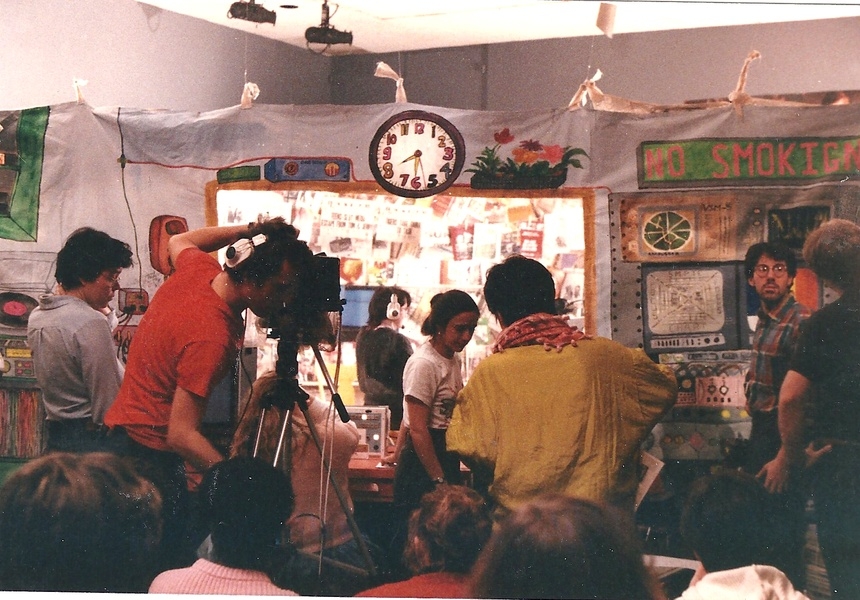
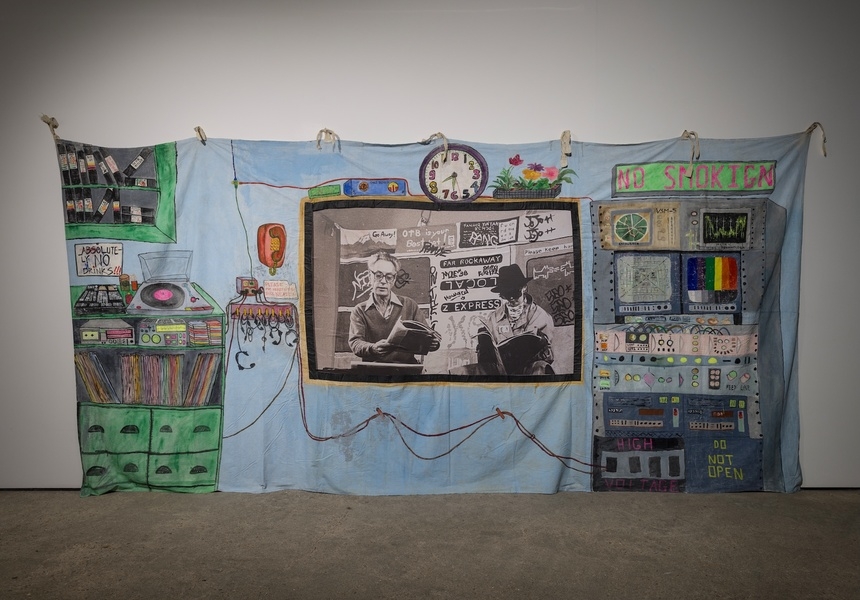
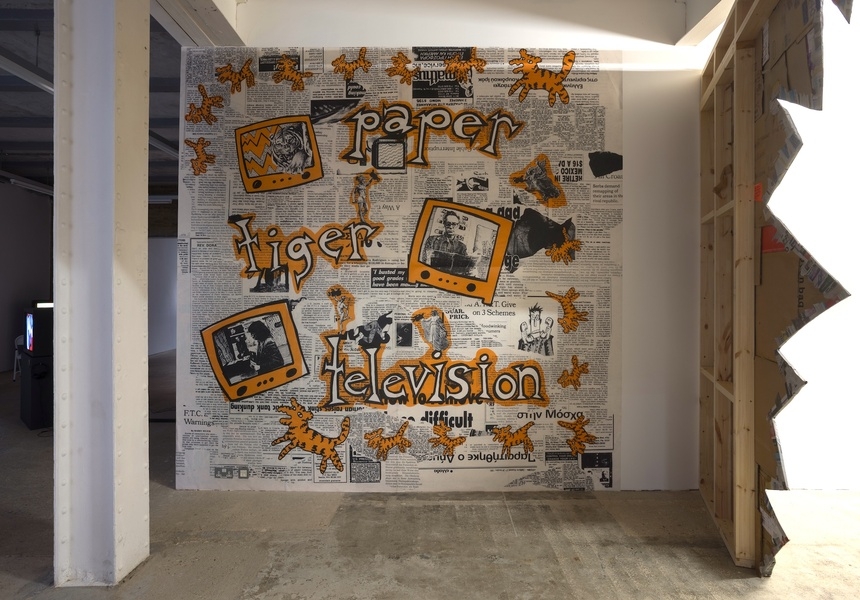
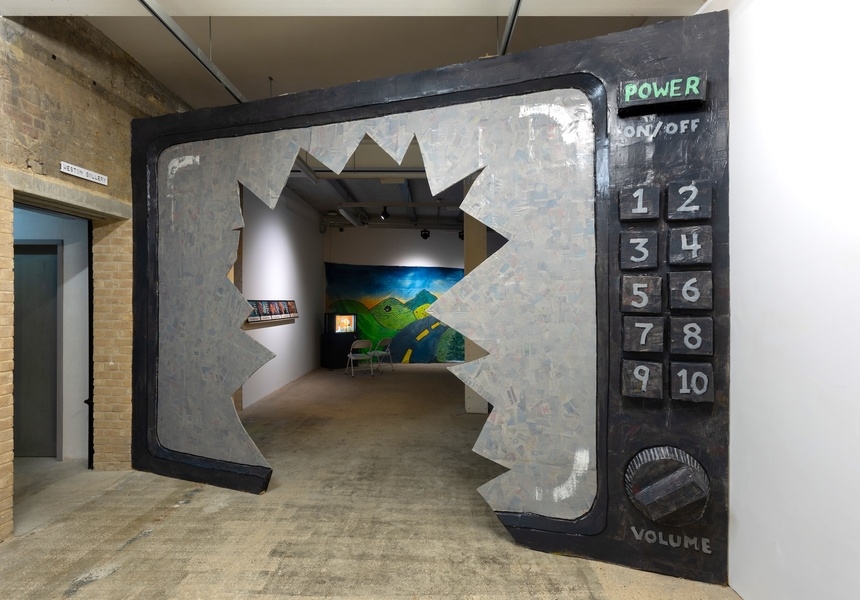
Founded in 1981, Paper Tiger Television – a collective of young artists and activists – produced a series of DIY television shows with a punk ethos. Aired weekly on public access channels across America, each episode opened with a question: “It’s 8.30. Do you know where your brains are?” That’s also the name of a new exhibition at Goldsmiths Centre for Contemporary Art, showcasing four decades of Paper Tiger Television’s work.
Each episode was a critique of a different piece of media, whether it was a TV show, a newspaper or a magazine, explains curator Oliver Fuke. They kicked things off with a six-part series which saw American critic Herb Schiller dissecting the New York Times. This set the tone for what followed: later broadcasts saw conceptual artist Martha Rosler analysing Vogue and, in Joan Does Dynasty, video artist Joan Braderman deconstructing the popular American soap.
“They had a quite remarkable range of people,” Fuke says – from academics to civil rights activists. Noam Chomsky examined American foreign policy coverage in the New York Times. Poet and activist Tuli Kupferberg discussed Sports Illustrated. The tone was playful rather than dry, and analysis wasn’t limited to the media itself but the corporate structures and political agendas behind them. Each episode ended with a breakdown of the costs involved in making it, to demystify the methods of production and encourage people to make their own programmes.
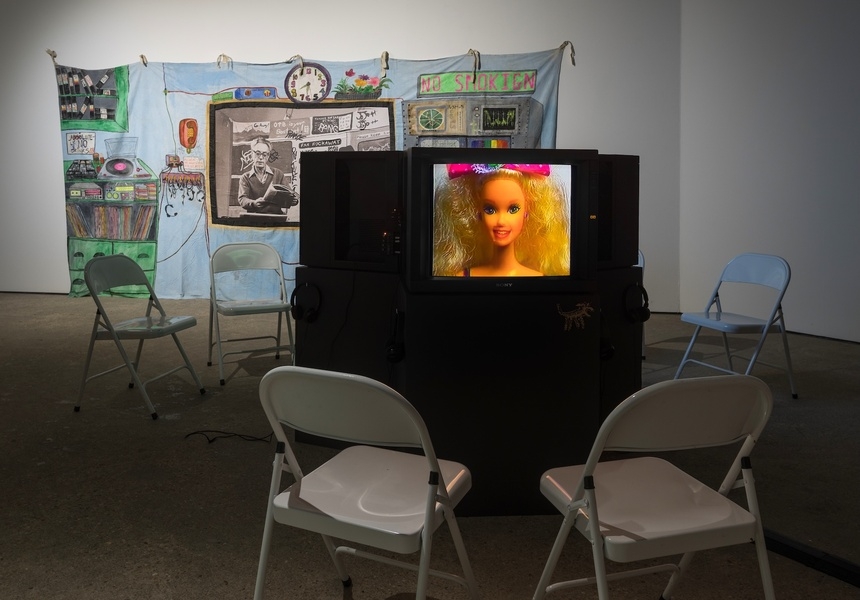
Since Paper Tiger Television produced nearly 400 episodes, Fuke’s challenge was to exhibit them in a way that wasn’t overwhelming. He’s whittled them down to 40 highlights – some of which have rarely been seen since they were first broadcast. “It was really hard to do, because there’s loads of stuff that’s really good and I wanted to represent the different decades.”
These 40 are divided between monitors so that people can select which ones they want to watch while moving freely through the gallery. The exhibition is accompanied by a line-up of events including conversations with DeeDee Halleck, the driving force behind Paper Tiger, and Judith Williamson, who entertainingly critiqued consumer culture by analysing advertisements for socks on Judith Williamson Consumes Passionately in Southern California.
One of the key goals of Paper Tiger, says Fuke, was to show that you could make your own alternative television for relatively little money. The creators’ handmade aesthetic was part of that. “They wanted it to be quite garish and goofy to draw people in. When so much television looks homogenous, it was really appealing.”
It’s 8.30. Do you know where your brains are? runs at Goldsmiths Centre for Contemporary Art until April 19.