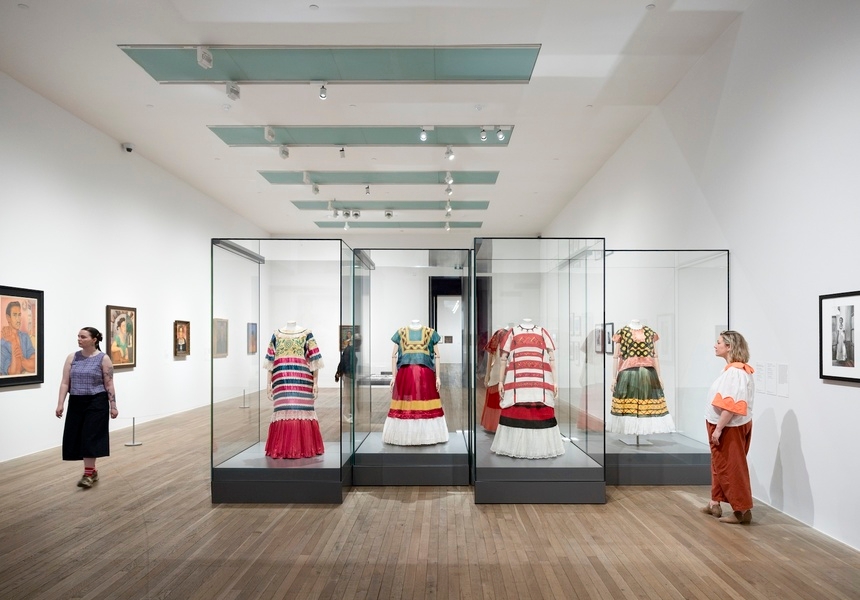
One of the first museums Santiago Lastra ever visited while growing up in Cuernavaca, Mexico, was the Frida Kahlo museum at La Casa Azul, the Mexico City house where the artist spent most of her life. The museum was an hour and a half’s drive north of his childhood home, and he remembers its striking cobalt blue exterior and Kahlo’s personal items – her crutches, corsets, jewellery and mementos – that filled its rooms.
But it wasn’t until the Kol chef-patron left his home country in 2009 that he realised how significant Kahlo’s global impact really was. “People would speak about Frida in Spain, France, here in the UK, everywhere,” Lastra says. He was awe-struck. “What Frida represents is more than just her art, but women, Indigenous people and, obviously, Mexico.”
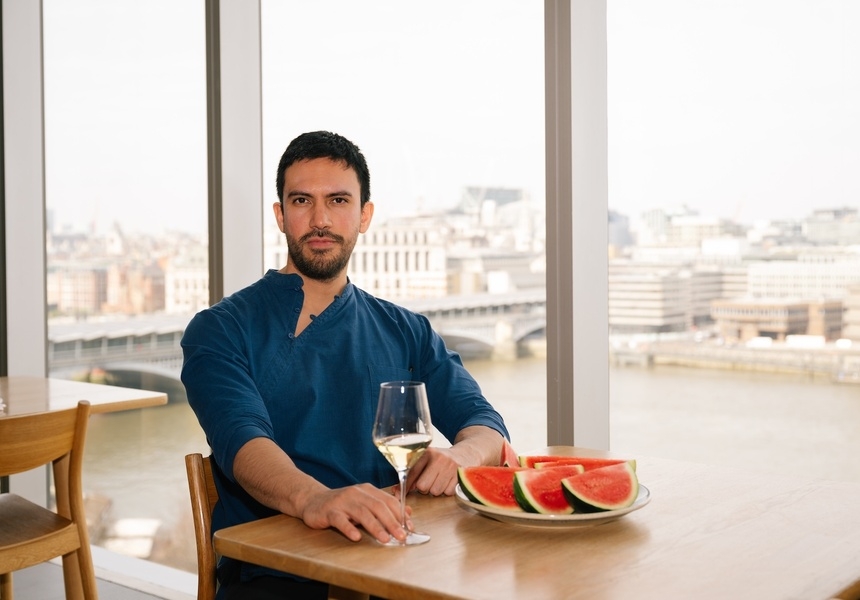
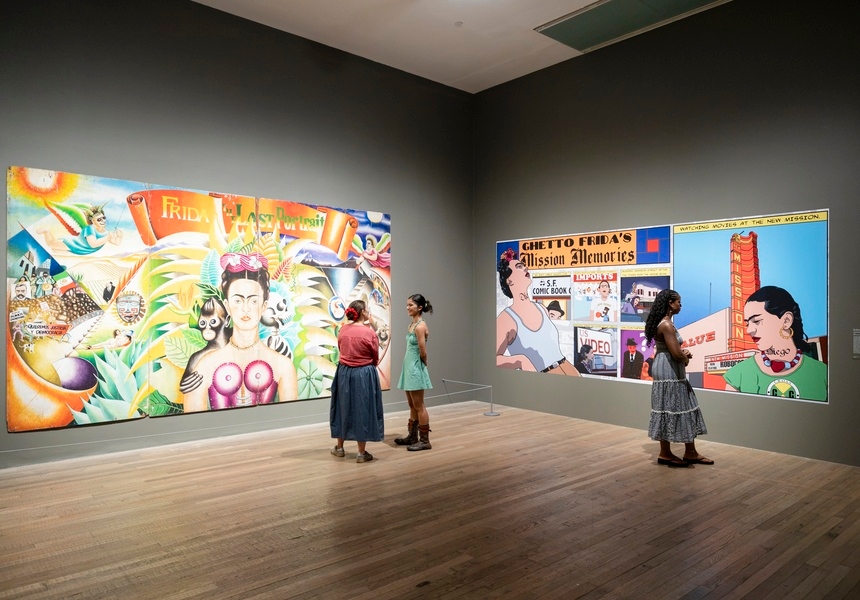
So his collaboration with the Tate Modern this summer – creating a three-course menu to mark the major retrospective Frida: The Making of an Icon (on now until January 3, 2027) – feels particularly momentous. “It's a huge honour to represent one of the biggest, most iconic Mexican artists in history,” he says.
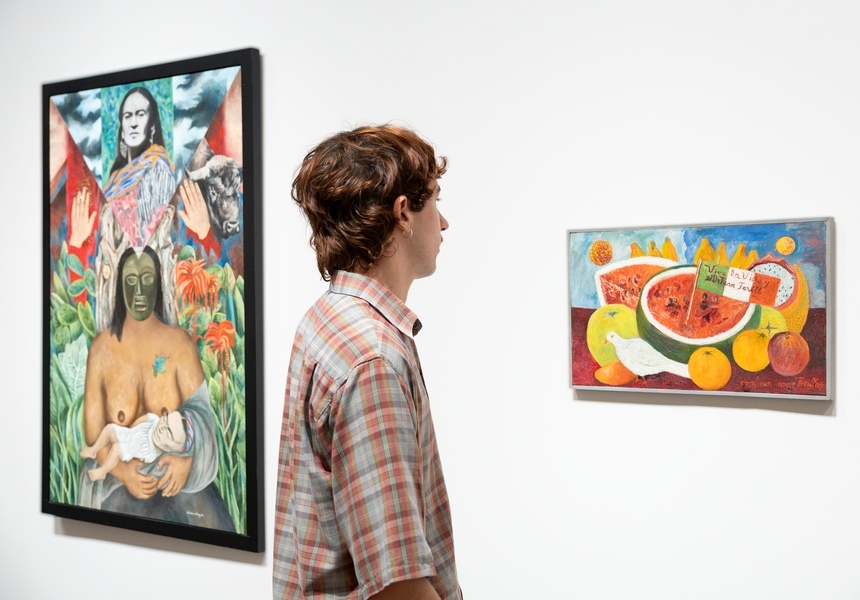
Kahlo’s story is often told as one of mental and physical suffering, enduring romance and political activism, creating a character that lives well beyond her legendary work. To showcase that legacy, the exhibition also features works that draw inspiration from the artist, including photographer Mary McCartney’s portrait of Tracey Emin dressed as Kahlo, and explores the wider concept of “Fridamania”: how Kahlo’s face became a brand in itself, plastered on everything from sanitary products to fridge magnets.
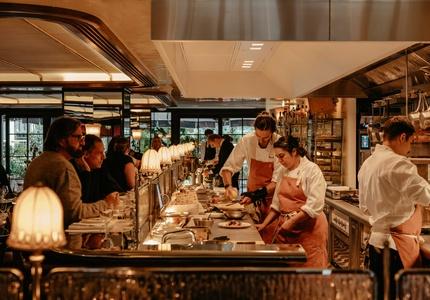
Now 36, Lastra’s culinary education began when he was offered an internship at the one-Michelin-starred Europa Restaurante in Pamplona, Spain, aged 18. Two years later he returned home to Mexico to study at the Instituto Arte Culinario Coronado, before heading back to northern Spain for a stint cooking at Mugaritz while completing a master's degree in culinary innovation at the Basque Culinary Centre. “I loved how [Spanish chefs] think about recipes, the development, the creative element,” he says. Lastra then embarked on a 27-country pop-up tour, cooking Mexican dishes using local ingredients everywhere from Turkey to Taiwan, returning home in 2017 to launch Noma’s pop-up project in Tulum. In 2020 he settled in London – because, he jokes, “he was bored of sunshine” – and opened Kol in Marylebone, its distinctive burnt-orange kitchen walls appearing behind him as we speak on Zoom.
The Tate menu, Lastra explains, is a product of deep admiration and extensive research, drawing from Kahlo’s life both personally and artistically. “I bought about six books on Frida and her work, read her diary, watched Frida [the 2002 film starring Salma Hayek] a couple of times,” he says. He also went to Paris, as Kahlo did in 1939. “I stayed there for a week to get some inspiration and figure out what she liked.”
Kahlo’s two months in Paris, prompted by an invite from the French surrealist André Breton, are considered a failure. She fell ill and felt uninspired artistically, describing the surrealists as “parasites” and Breton a “cockroach” (she got along better with Marcel Duchamp). Yet, the period also offered tales of friendship and romance. Inspired by references in her diary entries, Lastra spent his time exploring the artist's love of mole, the traditional chilli-based sauces she would prepare for her husband, muralist Diego Rivera (Kahlo apparently learned the couple’s favourite version, a mole poblano, from Rivera’s ex-wife, the model Lupe Marín). “I also went back to Puebla [in Mexico], where the mole that she likes is from, and learned how different people make it there,” Lastra says.
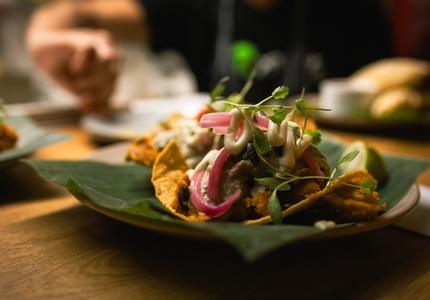
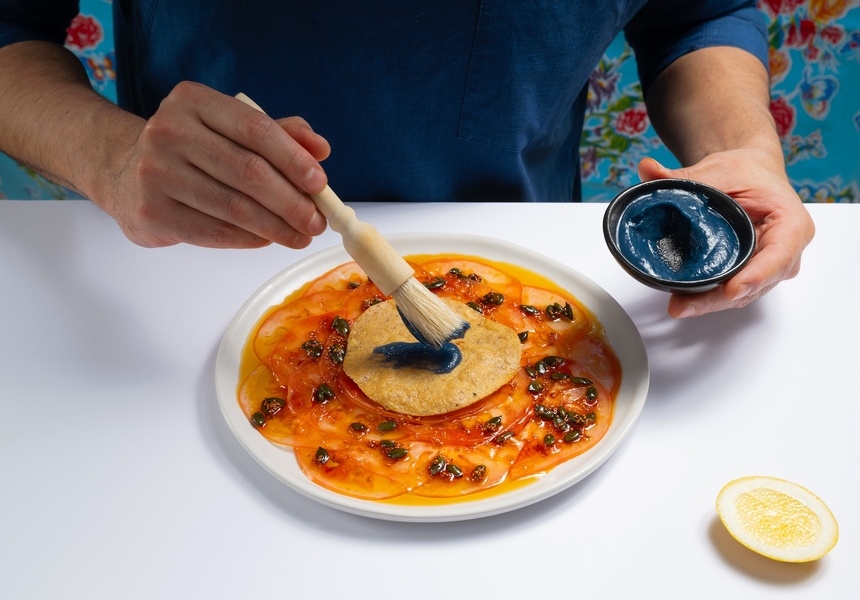
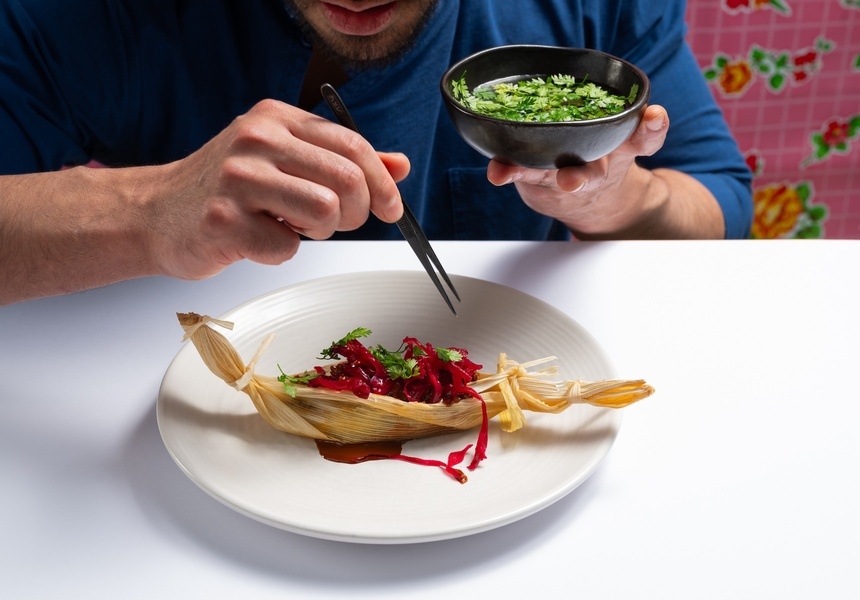
The chef sees how Kahlo’s approach to making art mirrors a few aspects of his own creative process, in which honesty and integrity are key. “It’s about storytelling and intention. But food is food, right?” he says. For him, the emotional dimensions of a meal can get lost if you’re focused on winning accolades or impressing critics. “I think if you find a way to express yourself and tell a story with meaning through flavours, then that's where it gets artistic.” His first course at the Tate is a case in point: guests will be invited to paint their own artworks onto tostadas with a vivid blue salsa, a throwback to those first memories of La Casa Azul. The main course centres on mole poblano, paired with slow-braised short rib; and for dessert, it’s crisp buñuelos (doughnuts) paired with watermelon ice cream, its vibrant colours inspired by Kahlo’s final painting.
Frida: The Making of an Icon is at the Tate Modern from June 25 to January 3. The Santiago Lastra x Tate menu is available from June 25 to August 31.
For a deeper dive into the collaboration between Santiago Lastra and the Tate’s Frida exhibition, book a Kol at Tate experience (July 29 & 30). At this evening takeover of the museum, guests will be taken on an after-hours tour of the exhibition led by a Tate curator, followed by a five-course dinner at the sixth floor restaurant. The menu features a Kol Margarita, tasting menu (including Santiago’s signature koji mole with dry-aged duck) and two paired drinks.