The Counter is a weekly column from award-winning restaurant writer and broadcaster Jimi Famurewa. Sign up to get The Counter first, sent to your inbox every Tuesday.
Hello team.
If you believe the current prevailing wisdom, then London’s restaurant scene is experiencing a period of widespread ego death. Name-above-the-door operations oriented around an individual chef’s staggering, mercurial genius? Out. Riffs on an understatedly timeless, glamorous classicism – think The Hart, Dover Street Counter, Hawksmoor Martini Bar and countless others – that is more about conjuring a particular atmosphere than a single, highly recognisable figure in the kitchen? Very much in. Buzzy, Mayfair diner-cum-speakeasy Automat recently did its best to keep the identity of its head chef hush-hush, and last year saw Harrods pivot away from the grabby, international gastro-celebrity model to something more understated and in-house. Yes, it is a time of hyper-nostalgic cheeseburgers, Dublin-style Guinness pours and comically enormous pepper grinders. But it is also, more pressingly, an era in which the power seems to have subtly but significantly shifted from focus-pulling, kitchen visionaries to either collectives or unshowy, hyper-connected vibe-setters like Martin Kuczmarski and Jeremy King.
As Tim Hayward – cook, fellow restaurant writer, and reliably astute chronicler of appetite and dining culture – persuasively put it in a recent write-up for a national newspaper: “Suddenly customers don’t need to know [what certain chefs are called]. And the restaurant names? Neutral. Egoless. Like they were named after the street or whoever opened the joint when they first arrived on these shores in 1937.” So can it be true? Are we witnessing the beginning of the end of the chef-led era? And, if so, why might it be happening now?
It feels an especially fitting week to ask the question. Next Monday (February 9) will see the announcement (or “revelation”, as they occasionally prefer) of Michelin’s retained, newly awarded and deleted stars for Great Britain and Ireland. Though stars are given to restaurants rather than chefs (spot all your favourite dining pedants pointing this out, with mounting futility, all over the internet) the erstwhile tyre manufacturer has arguably done more than any other entity to popularise and bolster the idea of the individual gastronomic god-head; the singular talent who, like Gareth Ward, Clare Smyth, Tom Kerridge or Adejoke Bakare, has an approach that is indivisible from the broader project of their trailblazing business.
However, a glance at the London restaurants dominating Michelin prediction lists – Matt Abé’s Bonheur, Jason Atherton and Spencer Metzger’s Row On 5, Michael Caines at The Stafford, Jeremy Chan’s Ikoyi – perhaps shows the extent to which this is a rarefied model, increasingly separate from the city’s populist, day-to-day culinary scene. Putting aside the pervading maleness of these supposed runners and riders (very much a whole other column), how many people in your life have actually talked about having visited these establishments recently? Fine dining is not going anywhere, of course. Yet the economic pressures of the post-pandemic era, as well as giving us a return to more reliable, retro modes of hospitality, may have somewhat widened the gulf between public appetite and the upper reaches of establishment instruction.
Relatedly, widespread precarity and impermanence in the world of hospitality perhaps nudges us towards dining categories that project durability. In business terms alone, it makes less sense than ever for an operator to hitch their wagon to a concept that is overly tied to one person who may well leave the business (here, those that know their London restaurant lore will recall former 12:51 chef and Great British Menu winner James Cochran losing the trademark to his own name). Now more than ever, there is strength in the collective and a degree of neutral anonymity: think Canteen, The Shaston Arms, One Club Row and Claridge’s Restaurant.
That said, even if the headline-grabbing named chef has slipped into the shadows somewhat, it doesn’t mean that hit restaurants are not being driven forward by highly distinct individual personalities. Many may not know that Valentino Pepe is the executive chef behind the bounteous, sharply rendered comfort food served at The Dover and Martino’s. But I’d wager that plenty know that the businesses are a product of Martin Kuczmarski’s particular eye, taste, sensibility and knack for creating the kind of environments that no reflexively trend-averse restaurant critic can quite resist.
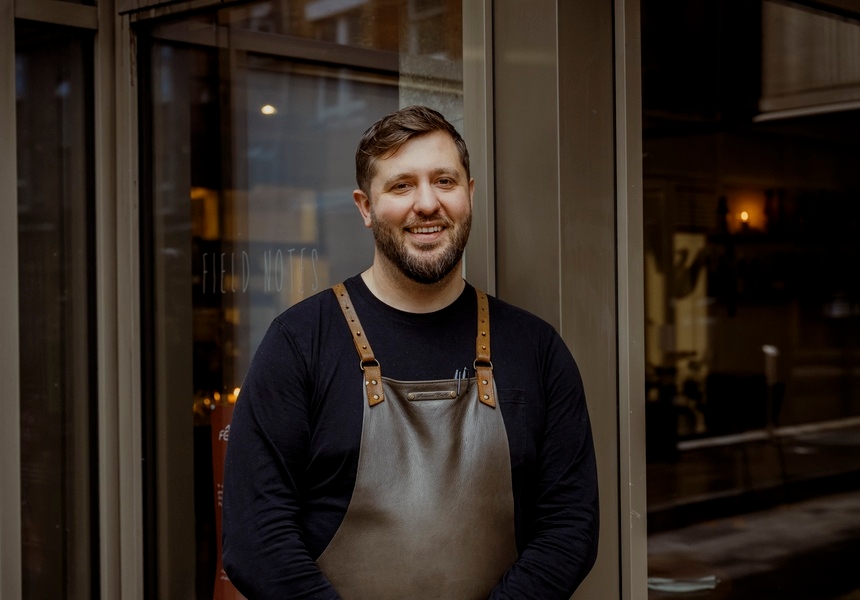
Town, though a futurist steakhouse of sorts, is really about the specific preoccupations, sensitivities and supplier relationships of Stevie Parle. Tiella, as well as a recreation of a lived-in Pugliese trattoria, is unmistakably a Dara Klein joint, while Field Notes’s irreverent approach to foraged sustainability doesn’t really work without Ivan Tisdall-Downes behind the pass. Many of the city’s biggest launches may be moving towards a golden age, Corbin and King-adjacent model where the food, and a chef’s vision, is secondary to the more holistic goal of drawing a certain, old-school thrum of warmth and familiarity from diners. However, especially out at London’s margins, a new form of genre-less individualism and progressive cultural storytelling has arguably never been in ruder health.
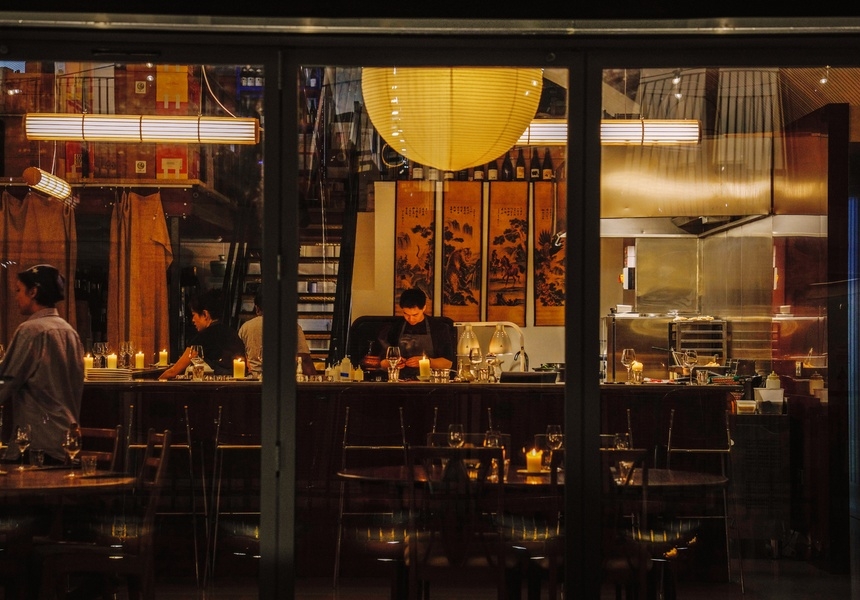
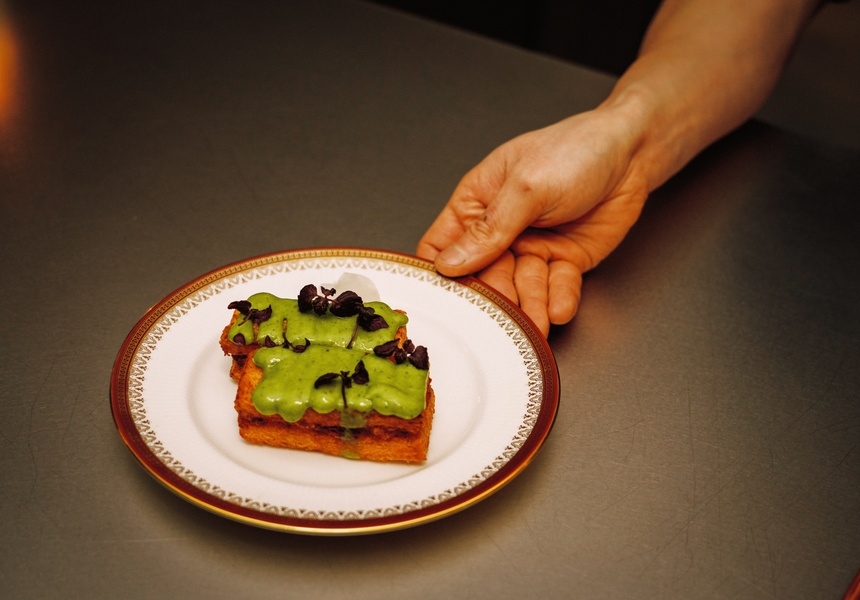
I thought of this, late last week, as I sat at Tempo in Bethnal Green, midway through a meal that I already sense will be one of my best of 2026. The rumbling railway arch space was thronged with bodies; stacked wine boxes had been turned into a haphazard cloakroom; steam rose from the open kitchen’s rice cookers as a sparky, young team spoke with knowledge about the crab-laced egg custard and bouncy ma po cheung fun. The effort (shaped by a partnership with the team from Dalston wine bar Dan’s) is clearly collaborative. But the freewheeling, Southeast Asian-influenced cuisine – green chilli-spiked girders of shrimp toast; a lyrical, moreishly deep pumpkin curry; plump, finely crisped madeleines lacquered in glistening honey butter – felt like the unmistakable product of founder Eric Wan’s particular perspective, biography and classically honed skillset.
The chef-led endeavour, then, probably hasn’t died. It has merely slipped into a more understated, subtle and era-appropriate outfit.
For Jimi Famurewa’s dish of the week, sign up to get The Counter first, sent to your inbox every Tuesday.