The Counter is a weekly column from award-winning restaurant writer and broadcaster Jimi Famurewa. Sign up to get The Counter first, sent to your inbox every Wednesday.
Hello again.
I always forget that one of my customary preludes to a summer holiday is the pre-departure flail: a frenzied, chaotically compressed few days of mopping up work tasks, running errands, sending long-owed email replies and generally tearing around in such a panicked flap that I start to almost feel resentful of the idea of taking a break. It is an annual sense of slightly manic overwhelm that, like the digging out of passports and plug adaptors, has become its own sort of August tradition.
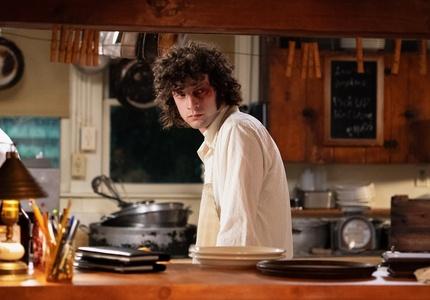
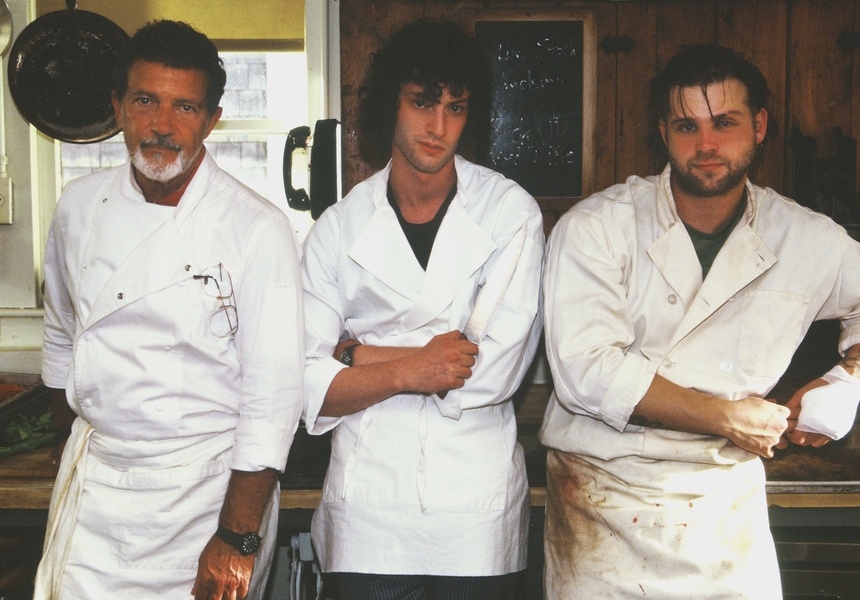
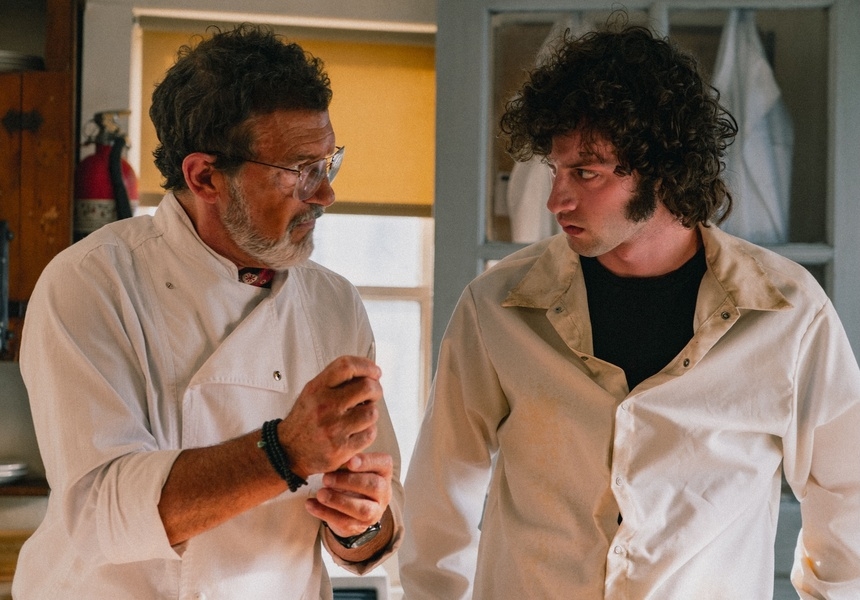
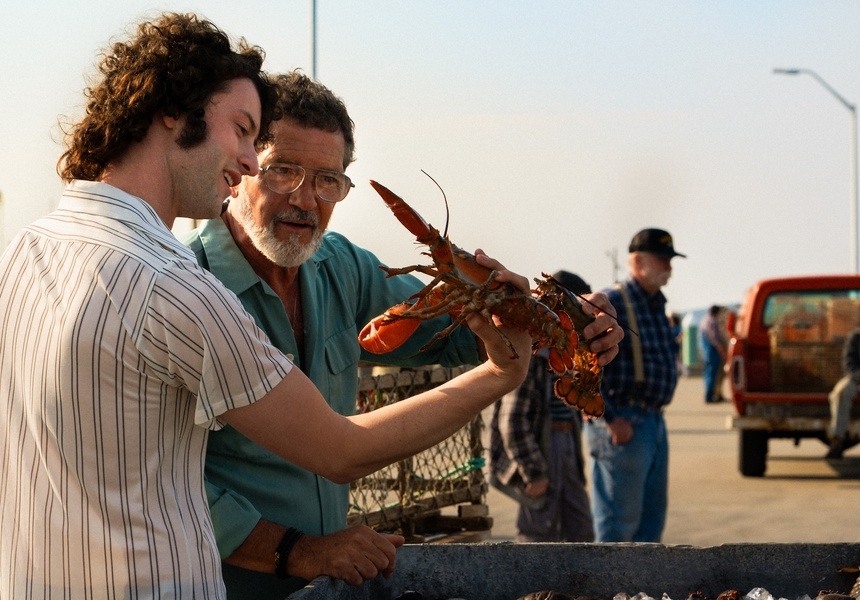
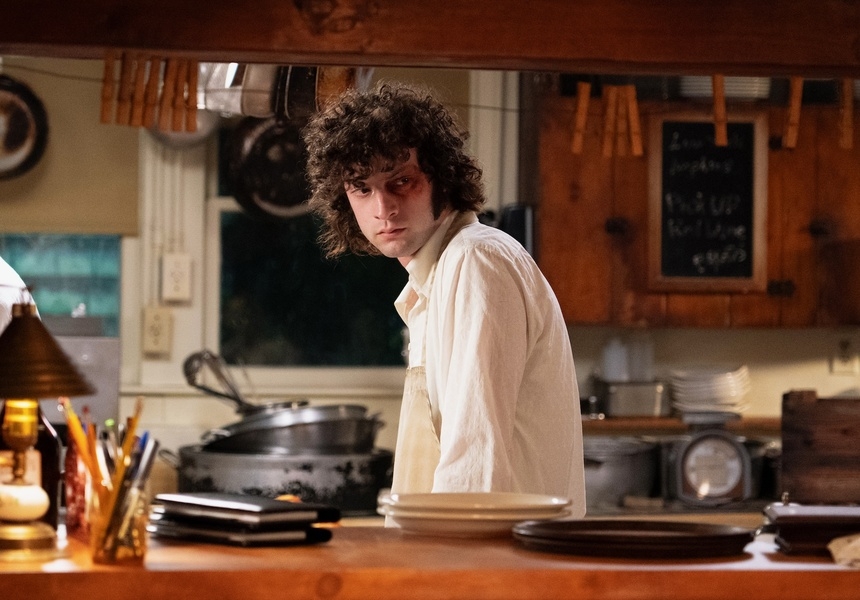
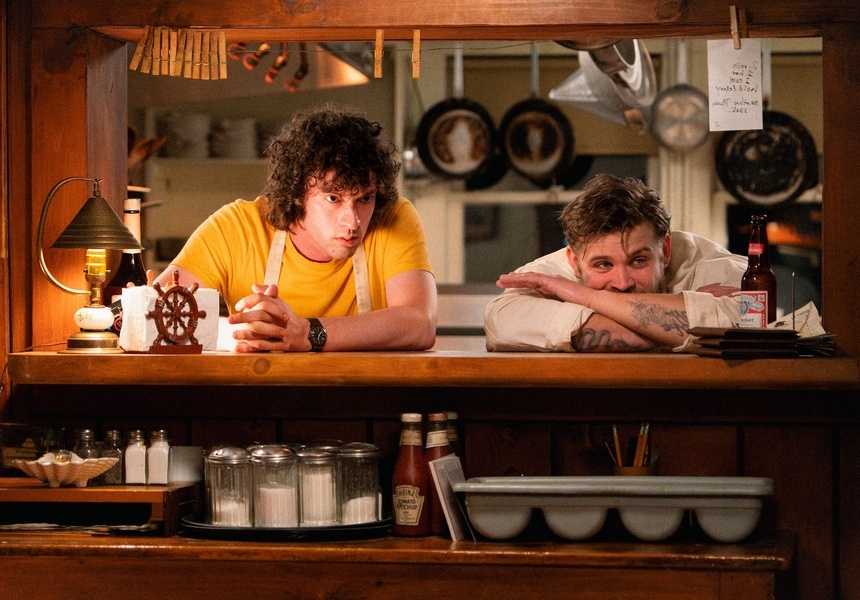
So it’s perhaps telling that, a few weeks ago when I was deeply in the grip of a particularly hectic pre-holiday flail, I still made time to duck into a press screening of Tony: director Matt Johnson’s lightning rod quasi-biopic of Anthony Bourdain and the formative summer that turned him from a shiftless, entitled adolescent into the cook, writer, swashbuckling epicure and wildly influential culinary figure we know today.
Tony (which comes out this weekend) is grungy, funny, dark and propulsively exhilarating; it features sensitive, affecting performances, indelible, sensuous depictions of the pulsing, drug-fuelled chaos of mid-1970s kitchen life and compelling shades of moral grey at the edges of what amounts to the gastronomic equivalent of a superhero origin story. True, the tragedy of Bourdain’s death by suicide in 2018 looms awkwardly over the film’s neat hero arc. Yes, it takes interesting liberties with the biographical details Bourdain wrote about in the bajillion-selling memoir, Kitchen Confidential (friends and girlfriends are airbrushed out to dial up the young Tony’s lonesome loserdom, key figures are conflated, and at least a decade of incident and personal growth is concentrated into the neatly digestible hors d’oeuvre of a single six-week period). But it evades many of the pitfalls that plenty of other biopics gleefully stumble into. Plus, more straightforwardly, in giving a career cook the Elvis treatment, it exhumes a longstanding, complicated question. Can chefs really be rock stars? And, at a time when the irresponsible, self-destructive and generally toxic tendencies of kitchen staff have never been more scrutinised, do we even want them to be?
It feels like an especially timely moment to be having the debate. As well as Tony – which has birthed its own cottage industry of writers weighing different aspects of Bourdain’s legacy – this year is also going to give us Rise of the Rockstar Chefs: a three-part BBC documentary that will explore the emergence and lasting influence of Marco Pierre White, Gordon Ramsay and Heston Blumenthal, and culminate in a filmed reunion between the three colleagues and (in the case of Gordon and Marco) erstwhile sworn rivals. The cultural impact of those three, very different British chefs – who all ran three-starred restaurants, pushed forward the form and inculcated a new, unprecedented era of celebrity, prominence and sexy badassery for chefs – cannot be overstated.
Yet, even setting aside the fact the show is made by Ramsay’s own production company, the premise doesn’t necessarily stand up to much scrutiny. Pierre White was a revolutionary talent, pin-up and tabloid fixture with Jim Morrison hair and a mystic, punkish intensity; Ramsay had the drive, quotable charisma and sweary, pugnacious nature to rival a Gallagher brother. But has anyone ever genuinely thought of Blumenthal – the bespectacled face and ludic, cerebral personality who popularised molecular gastronomy – as a plausible rock star or hellraiser? Moreover, the conflating of success, celebrity and rebelliousness in the culinary world with forms of it in artistic fields feels like something of a red herring. Sure, great restaurants are about expressiveness and the pushing of creative boundaries, but they are also, crucially, about militaristic hierarchies, rigour and the sort of meticulous, efficient repetitiveness that would be anathema to most musicians. To re-read Kitchen Confidential is to be reminded of the fact that what turned the young Bourdain onto kitchen life was the sense it was a craft rather than an artform; a world of battle-hardened miscreants, bound by rigid codes and a devotion to consistency, volume and not letting the rest of your crew down during a brutal service.
Historically, it seems that the “rock star” tag has generally been used to signify chefs with a certain profile, drive, obsessiveness and, occasionally, appetite for misbehaviour. Let’s put a pin in the fact that female chefs have rarely been afforded the label (do we not think, say, Nieves Barragán is as much of a rock star as any other chef?) and instead question whether these “tortured artist” qualities still carry the same weight. Acting irresponsibly or egomaniacally. Devouring substances during service. Hurling abuse at subordinates. These behaviours will absolutely still exist in places, and professional kitchens are still sanctuaries for piratical bands of hyperactive, hard-charging misfits not always best suited to working in more sedate, neurotypical spaces.
But today’s most successful chefs are more likely to practise mindfulness and run a YouTube channel than defenestrate a hotel television. When I think of hedonism and self-destructiveness in London hospitality I tend to also think of initiatives like Pilot Light, Andrew Clarke’s support system for chefs grappling with issues like depression. Or Ravneet Gill’s Countertalk, which advocates for healthier workplace cultures within the industry. I think of run clubs and gentle, wholesome soft boy cooks. Even Bourdain, in his later years, disavowed some of the sexist and macho views espoused in Kitchen Confidential, expressing “real remorse” he had “celebrated or perpetuated a culture that allowed… grotesque behaviours”. And in the era of Noma backlash, slick professionalism and head chefs taking their team out for mental wellness days, those old traits and attitudes look as outmoded as the bellbottoms and kipper ties in Tony.
In fact, the analogue, outlaw world depicted in the film feels so thrilling precisely because it is also so distant and alien. The myth of the rock star chef will probably never die. But thankfully, these days, London’s hospitality community seems to be marching to a different and far more likeable tune.
For Jimi Famurewa’s dish of the week, sign up to get The Counter first, sent to your inbox every Wednesday.
Got a question about London's dining scene that you'd like Jimi to answer, or a hot tip about a great place to eat or drink in London? Email jimi@broadsheet.com.