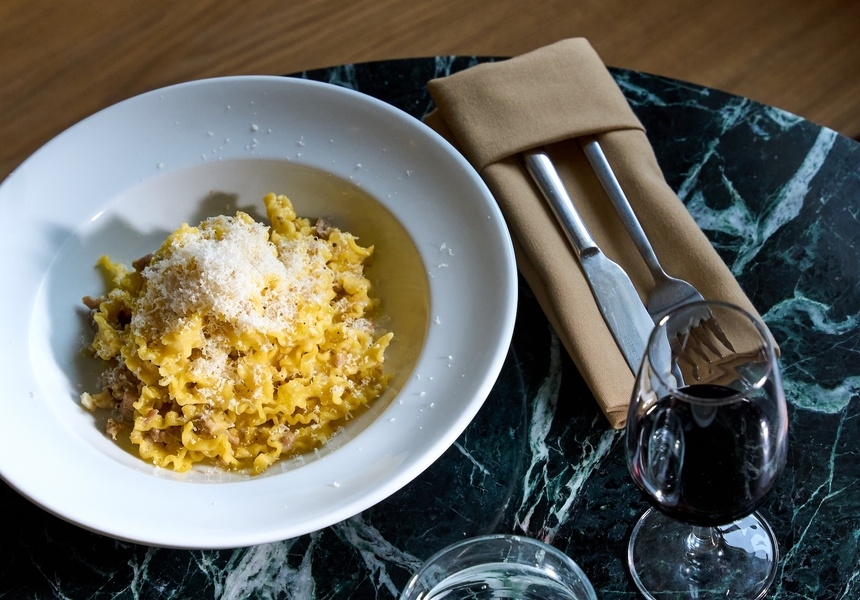
When you think about pasta in London, there are a few places that spring to mind. Your sofa, for instance, where you’ve eaten more bowls of shop-bought tortellini than you’d ever care to admit. The red sauce joint down the road from your flat that’s saved your arse when you’ve forgotten to book a table for dinner the day your parents are in town. And then there’s Padella.
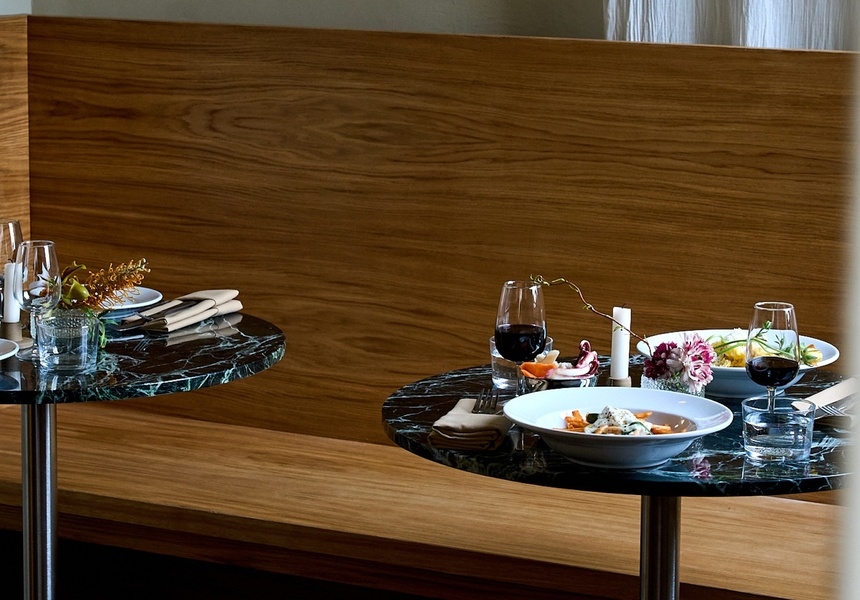
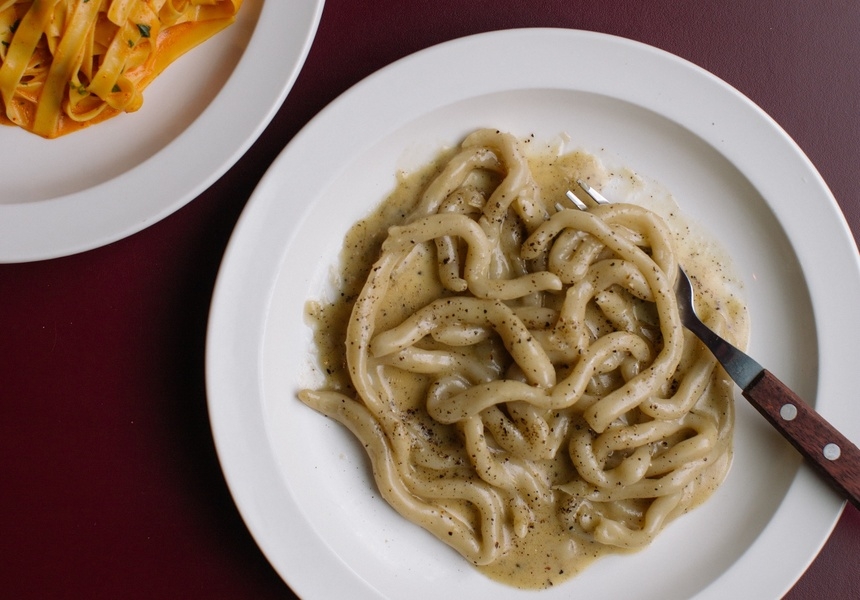
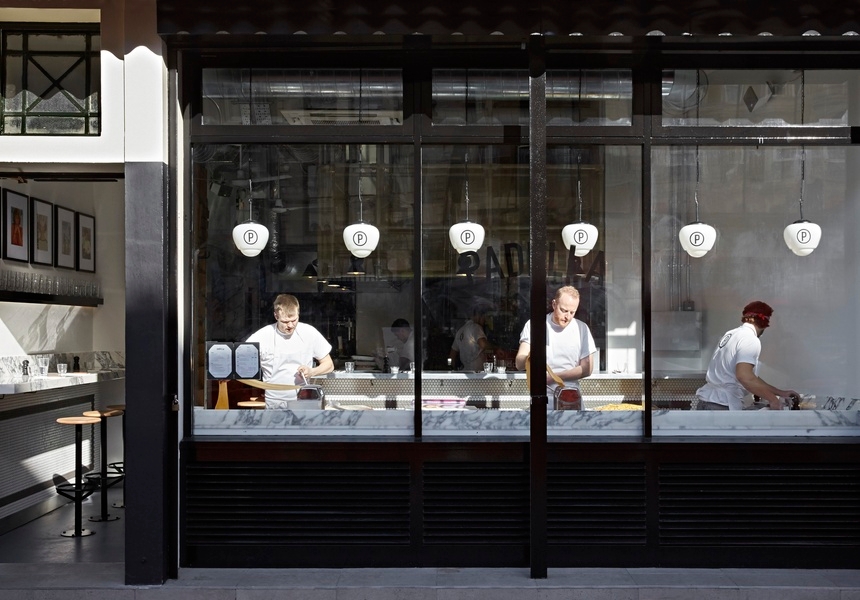
Padella is a London pasta institution that’s recently celebrated its tenth anniversary. Which means it’s also celebrating its tenth year of appearing on just about every “London’s best pasta restaurants” listicle on the internet. With two spots in the city – the original in Borough, which still draws queues the second it opens, and a second, bookable, diner in Shoreditch that opened in 2020 – it’s a stalwart of the city’s restaurant landscape and still a go-to for affordable and delicious handmade pici, stracci and fettuccine. And in spring, Padella will open its third restaurant, an 80-seater in Kingly Street, Soho, which will be split across two levels and include a private dining room.
“People were really into it from the very beginning,” says Tim Siadatan, the co-founder of Padella and its sister restaurant Trullo in Islington. “And since then, over the last 10 years, we've seen lots of other pasta restaurants open, which means lots of people are eating much better pasta than they used to. And that was our intention when we started. Back then, a lot of restaurants were serving pasta, but often it was pretty bad or average at best.”
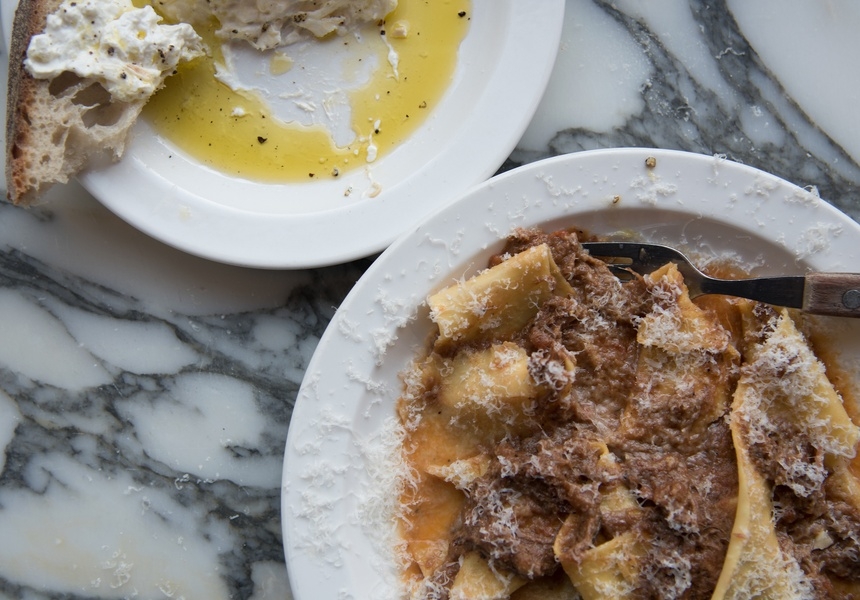
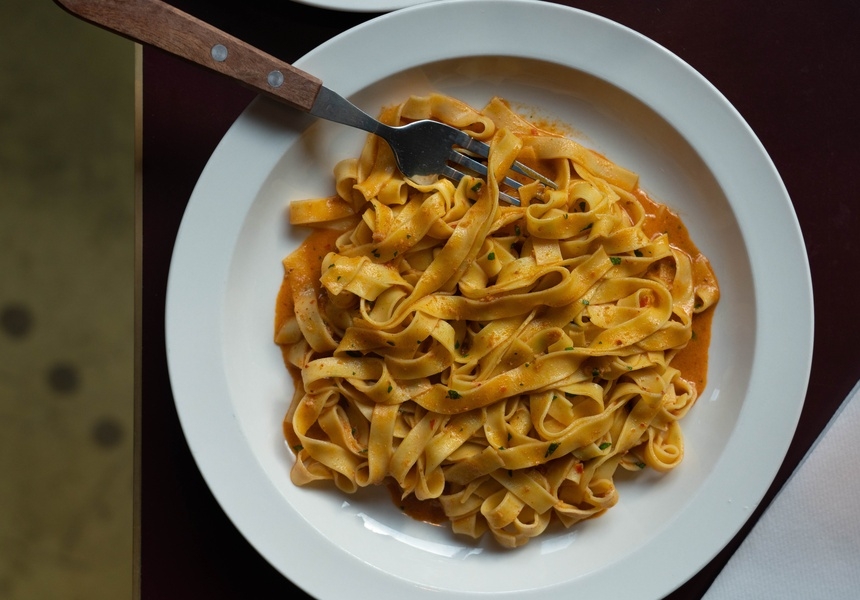
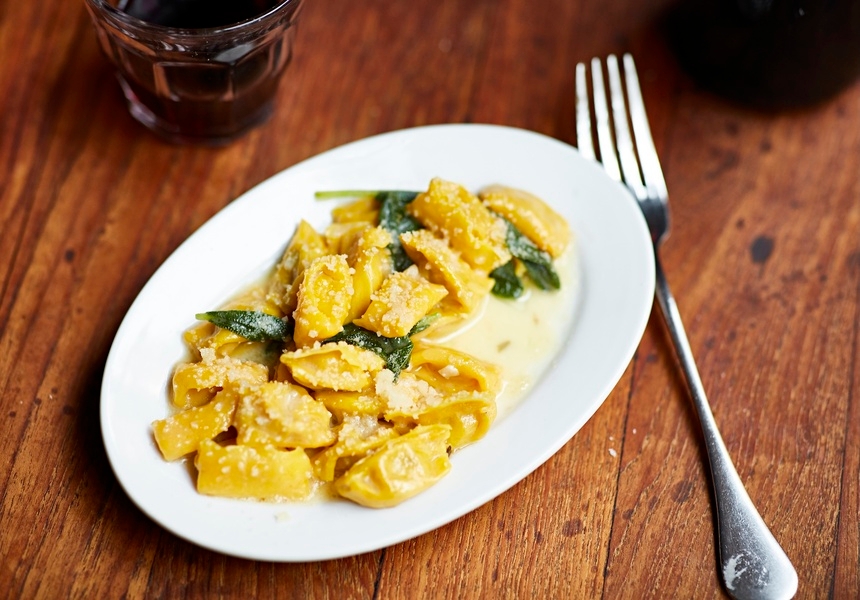
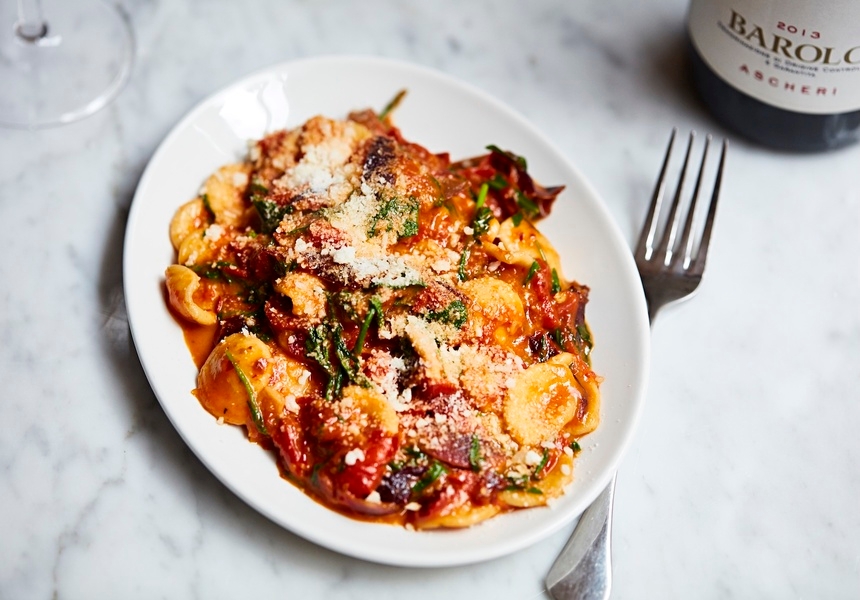
The quality of pasta on the high street has improved markedly over the last decade, and customer expectations are also higher. What’s changed less drastically, though, is what Londoners want from a bowl of pasta, which is comfort. The best-selling dish at Padella today is the same as it was 10 years ago: the beef shin pappardelle. It’s the right level of indulgent and familiar for a nation that cites spaghetti bolognese as one of its favourite homecooked meals. Padella’s beef shin is slow-cooked for eight hours until it’s fork-tender, while the pasta is made fresh on-site shortly before being served. At £16.50, it’s the most expensive dish on the menu, but it’s also undoubtedly the most filling. As with most viable pasta restaurants, affordability is a major tenet of the Padella concept: you can get a portion of tagliarini (egg ribbon pasta) with dried chilli, garlic and pangrattato (toasted breadcrumbs) for just £9.50.
Another pasta vanguard that hasn’t seen its shine diminish over the years is Bocca di Lupo. Opened in 2008, right in the heart of Theatreland, Bocca di Lupo was committed to teaching people in a pre-Padella world that pasta shouldn’t be cooked until it’s soft and mushy. “We have fewer, if any, customers today who think pasta that is served al dente is undercooked, which is great progress,” says Jacob Kenedy, the chef patron of Bocca di Lupo, Gelupo and Plaquemine Lock. “More people seem more familiar with more shapes, and with less stereotypical sauces, so I would say knowledge has broadened and deepened.”
There are no signs of Londoners’ passion for pasta dwindling anytime soon. In the last few weeks London has gained Columbia Road trattoria Tiella and Soho’s Osteria Vibrato, both plating up pasta, and soon Trullo co-owner Conor Gadd will open Burro, a Covent Garden restaurant serving fresh house-made pasta. Just last year, we welcomed newbies like Lupa in Highbury (backed by actor and local Theo James) and the upscale New York restaurant Carbone – famed for its $34 spicy rigatoni vodka – which opened its Mayfair outpost in September 2025 (here, that rigatoni vodka is £29). Convincing Londoners to pay a premium for pasta isn’t impossible (a primi portion of tagliatelle al ragu at The River Cafe costs £36), but it isn’t easy.
“People often assume pasta has really good margins because, at first glance, the ingredients are cheap, and the dish looks simple. But that’s only part of the story,” explains Egle Loit, the founder and head chef of neighbourhood pasta restaurant Darling’s in Hackney Wick. “Once you start thinking about the sauce, it gets more complicated. A quality sauce requires great produce, time, attention and skill, and that hidden labour and cost adds up.”
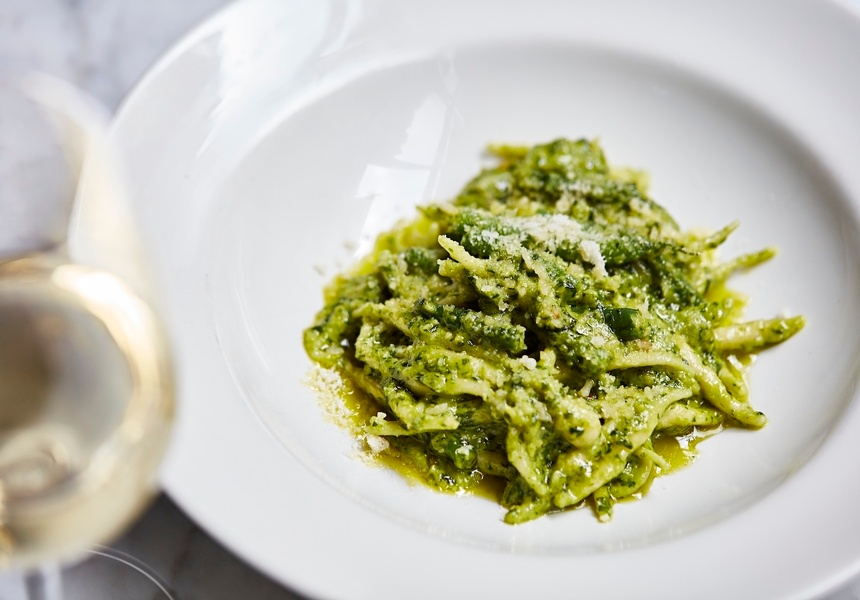
At Darling’s, you can find slurpable bucatini (thick pasta with a hole in the centre) and bigoli (thick, long strands) on the menu as well as tubes of paccheri and pipe rigate (which resembles a snail shell) served with slow-braised courgettes, chillis, and ricotta salata – all handmade fresh on the premises, and incredibly time-intensive to create. “As we make our own trofie [short, twisted pasta], agnolotti dal plin [stuffed pasta] and tortellini, labour is sometimes extensive,” agrees Jacob Kenedy. “But the margin that matters is the customers. Was your meal worth as much or more to you than you paid for it?”
If the only metric you’re judging a pasta on is how filling it is, then you’re better off making a trough of tuna pasta bake at home. And, thankfully, the British “more is more” attitude towards pasta is slowly but surely shifting.
“English pasta-eating habits lean towards practicality and comfort, while Italian traditions emphasise culinary precision, respect for ingredients, and gastronomic pleasure,” Egle explains. “In England, pasta is often treated as a main course in its own right, served in large portions and heavily sauced, aligning with the cultural tendency to view meals primarily in terms of satiety and comfort. In Italy, however, pasta traditionally occupies the role of a primo piatto – the first substantial course after an antipasto but before a secondo of meat or fish.”
More restaurants are starting to offer primi-sized plates. Bocca di Lupo, ever ahead of the game, has always allowed diners to choose between starter or main-sized portions of pasta. And then there are newer spots like Mitchell Damota’s Dalla in Hackney, which serves everything from tortellini in brodo to raviolo di ortica con sarsa de pigneau (ricotta and nettle raviolo with pine nut sauce), and Polentina – a small Italian restaurant enclosed within a sustainable clothing manufacturer in Bromley-by-Bow, where you can find regional plates like pansotti con salsa di noci (stuffed pasta with walnut sauce) and cannelloni alla romana (a baked pasta dish). Chefs in the city today aren’t afraid to cook dishes that come from the B-sides of Italian cuisine, and customers aren’t afraid to order them.
The next logical step, of course, is for people to take that pasta obsession home with them. Which brings us back to Padella. The Padella cookbook released in September last year, Padella: Iconic Pasta at Home, is stocked with instructions on how to cook all the classic dishes from Padella and Trullo, as well as plenty of recipes that have never been published before.
“Some of them are super quick and easy, and then they progress as the book goes through produce that's maybe a bit more difficult to get your hands on or slightly more intricate dishes that require a high level of cooking,” says Siadatan. “But, hopefully, I’ve explained throughout all the recipes that I think anyone can have a go. I’m hoping it’s an approachable book, and people cook from it. I don’t want to just sit on someone’s coffee table.”
Siadatan is right. Pasta’s meant to be eaten.