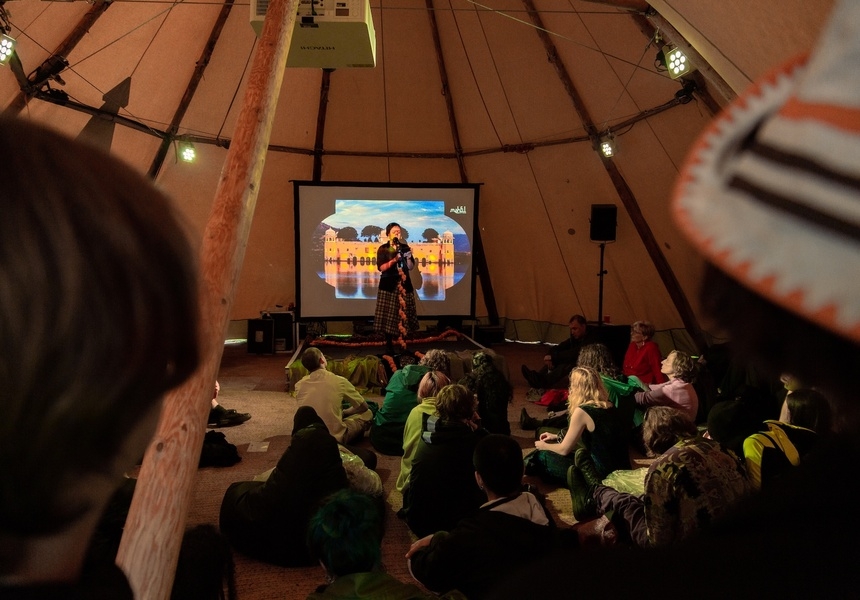
Whitechapel Gallery operates on the basis that culture is something essential, rather than supplementary. That’s why, in its 125th anniversary year, it’s launching Backyard Biennial: East, a free, eight-week programme of exhibitions, screenings, performances, workshops and talks arranged in collaboration with 40 local partners, designed by and for the communities of east London.
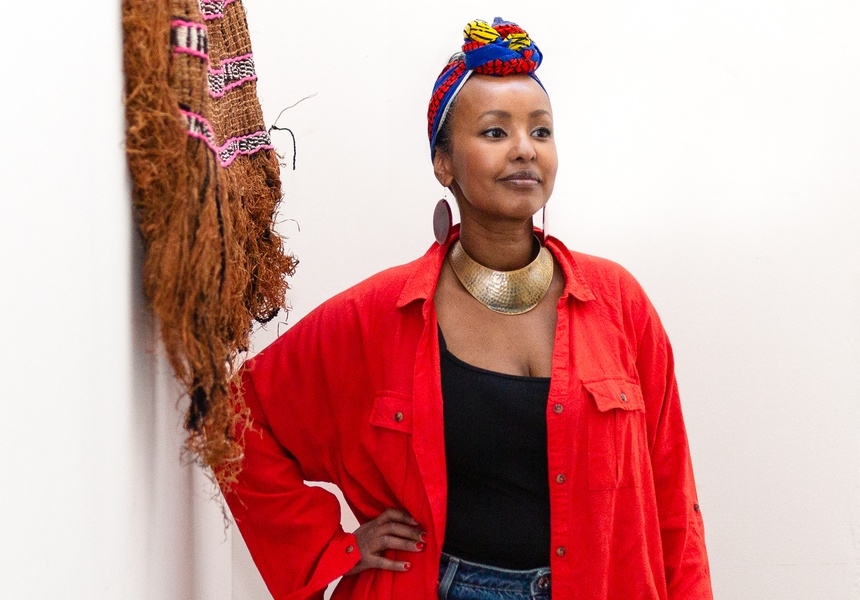
The festival kicks off on Wednesday, July 15. On any given day, a visit could involve a group exhibition about food and its connection to migration and belonging (East of the Aldgate Pump); an interactive woven installation that plays a soundscape when touched (Fozia Ismail’s A Song for the Xeedho – The Knot Makers); a walking tour through the now-closed mental health institution St. Clement’s Hospital (Underground East); a one-night-only return of the world longest-running Asian underground club night Swaraj; a day-long neighbourhood party in Spitalfields City Farm; or a puppetry show at the Tower of London inspired by the wild animals that one lived in its menagerie.
“It’s a real privilege to be building a programme out of Whitechapel Gallery which has, since its founding in 1901, constantly raised questions about contemporary art practice and its structures,” Leila Hasham, Whitechapel Gallery’s director of exhibitions, tells Broadsheet.
Rather than imposing a top-down curatorial vision, Hasham worked in collaboration with local organisations like the Migration Museum, the Jewish Museum London, the women- and queer-led gallery SLQS and nonprofit organisation Bow Arts. She found that themes bubbled up organically; particularly migration and the diasporic experience, and gentrification and social reform. Her non-prescriptive model allowed the biennial to amplify voices otherwise overlooked in cultural programming. “What emerged … was a shared appetite for being part of a lasting network, an opportunity to share knowledge and celebrate east London's creativity,” she says.
The entire eight-week programme runs free throughout the summer holidays, a deliberate choice in a borough with one of the highest rates of child poverty in the country. And the festival's partners go beyond cultural institutions and commercial galleries to include synagogues, mosques, workshops and local eateries. “It’s not just about showcasing the diversity and creativity of east London,” Hasham says. “It’s also a political gesture of standing together in trying times, united.”
Below, you’ll find a few highlights to add to your calendar – visit the website for the full programme.
East of the Aldgate Pump, Whitechapel Gallery
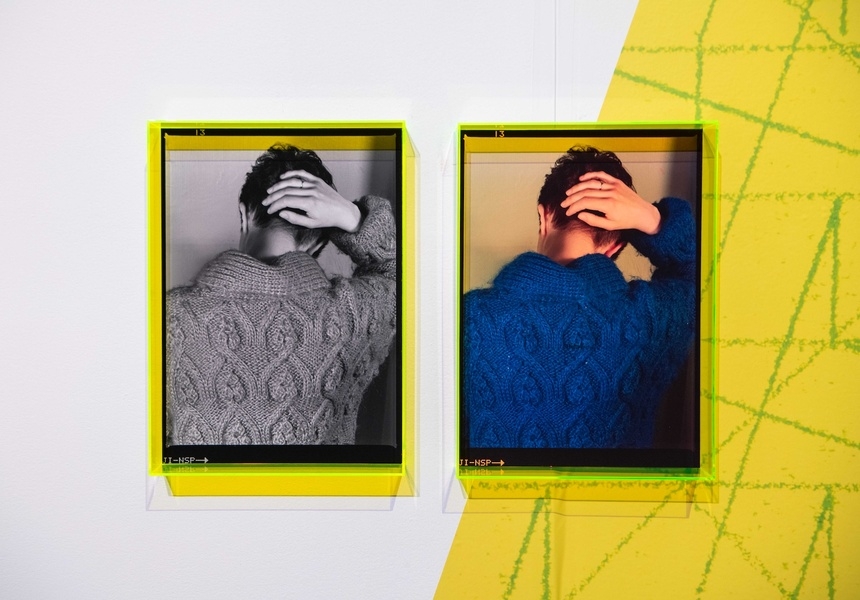
This flagship group show takes its title from the historic water pump marking the informal boundary between the City of London and the East End. Spanning painting, sculpture, photography, film and installation, the exhibition brings together 12 artists across three galleries, responding variously to east London's tessellated cultural identity through migratory journeys, city life and kinship, and food’s ties to heritage and belonging. July 15 to September 6.
Neighbourhood Party, various locations
On the second Saturday in August, a day-long celebration comprising performances, workshops and installations will take place across the area, culminating at Whitechapel Gallery. Spitalfields-based community centre House of Annetta will use a risograph printing press (digital duplicator) to create a map of hyperlocal histories and campaigns across east London; Spitalfields City Farm will run programs on food and beekeeping; and the day will culminate in a takeover of Whitechapel Gallery by creative collective Daytimers, showcasing contemporary South Asian artistry that asks: who holds the power to shape the future of Brick Lane? August 8.
John Smith Film Programme, Whitechapel Gallery
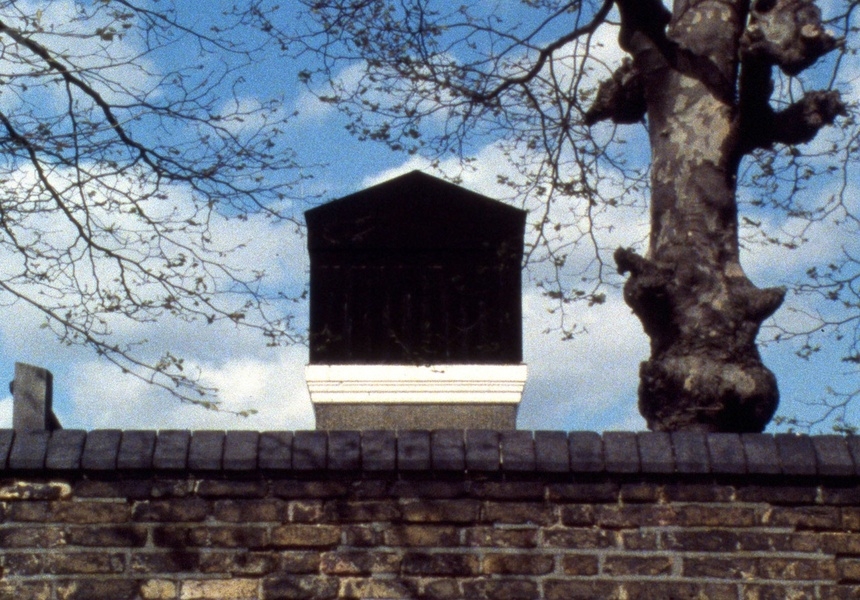
John Smith (who was born in 1952 in Walthamstow) is considered the quintessential East End filmmaker. The Whitechapel Gallery will screen a selection of his influential short films each day, which blend personal experience with snippets of everyday life in east London. Highlights include Blight (1994–96), which follows the building of the controversial M11 Link Road (now the A12) in the mid-’90s, while The Black Tower (1985–87) grew out of Smith's determined fascination with a black water tank on a brick column in Leytonstone. Daily throughout the festival.
Material Histories: A Procession, from Oxford House to Whitechapel Gallery
On the penultimate day of the biennial, a procession of textile banners will wind its way from Oxford House to Whitechapel Gallery. Handcrafted by local community groups alongside five commissioned artists, each banner draws on the rich material history of east London, honouring the Huguenot silk weavers, Jewish tailors, Irish linen workers and Bangladeshi garment makers whose stories of migration, reinvention and craft tradition are woven into the very fabric of the neighbourhood. September 5.
Backyard Biennial: East runs from July 15 to September 6.