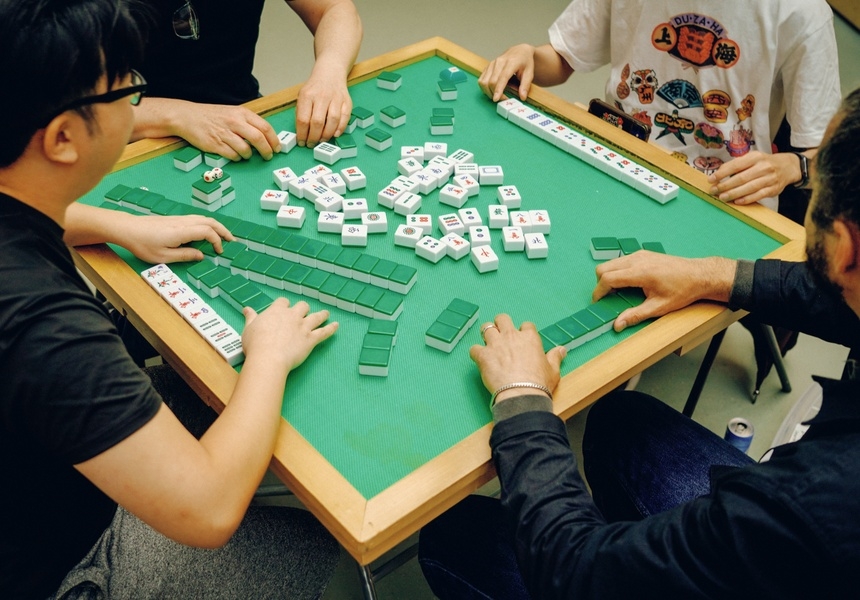
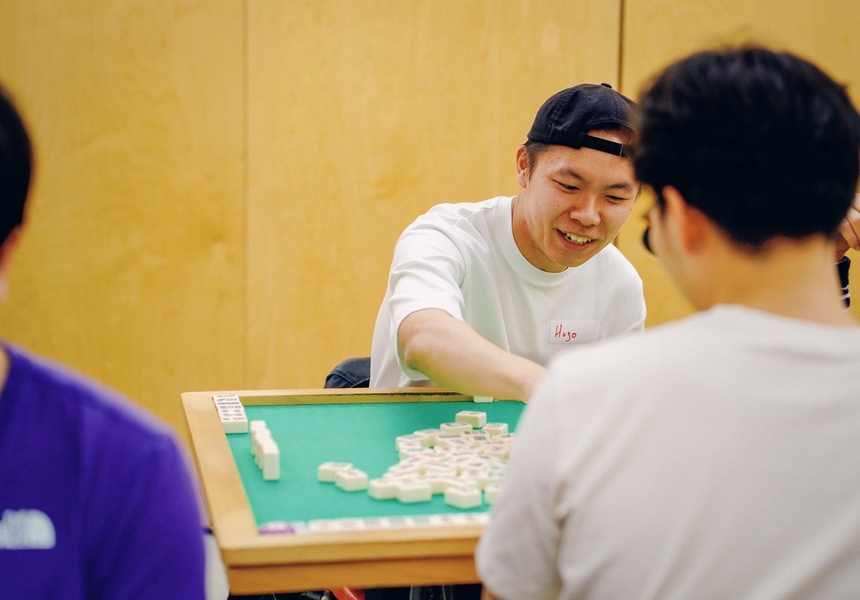
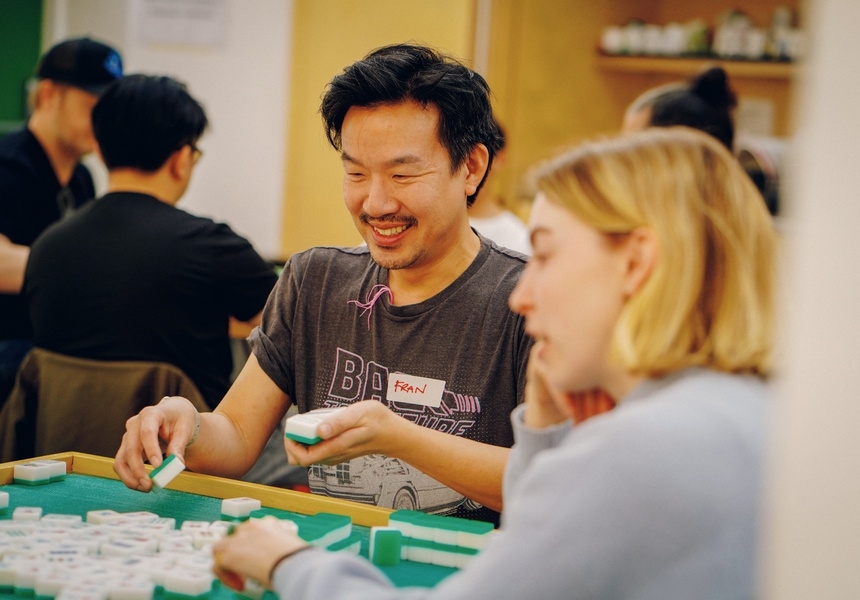
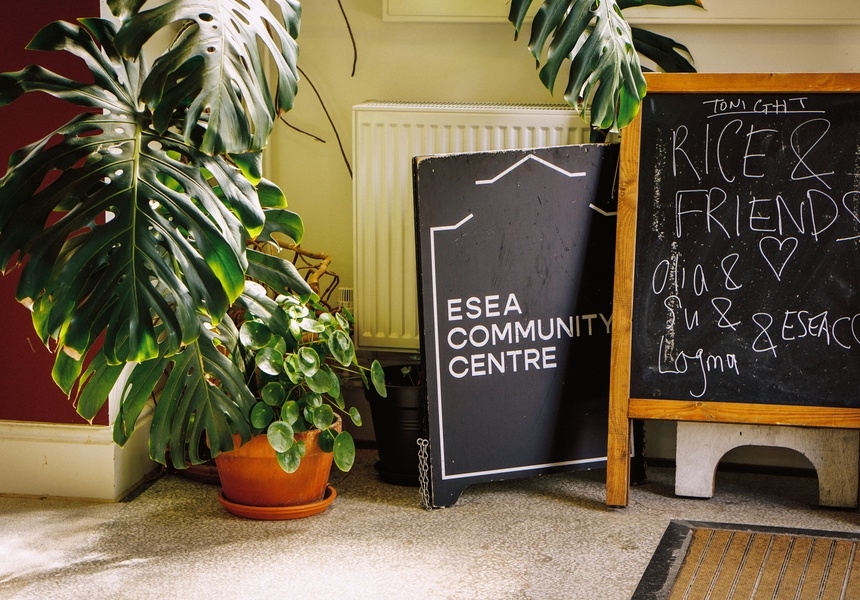
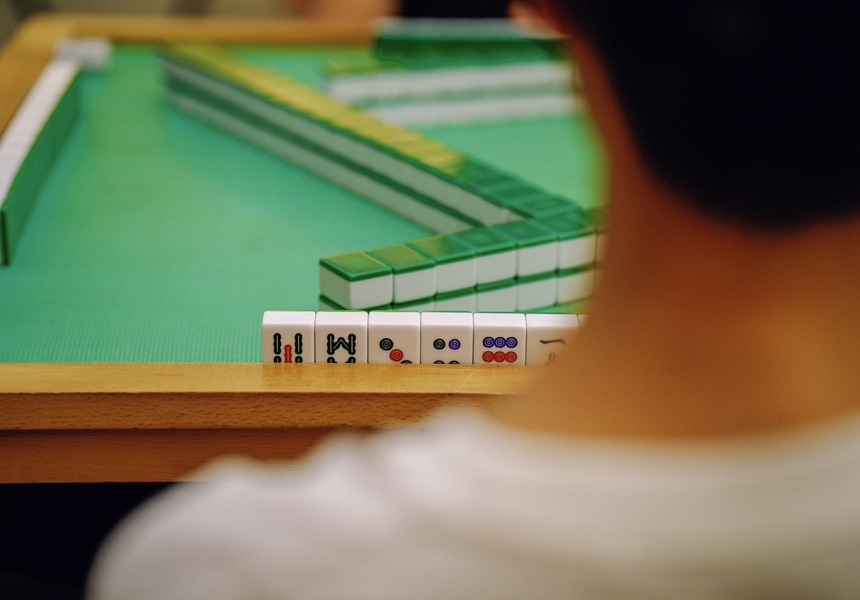
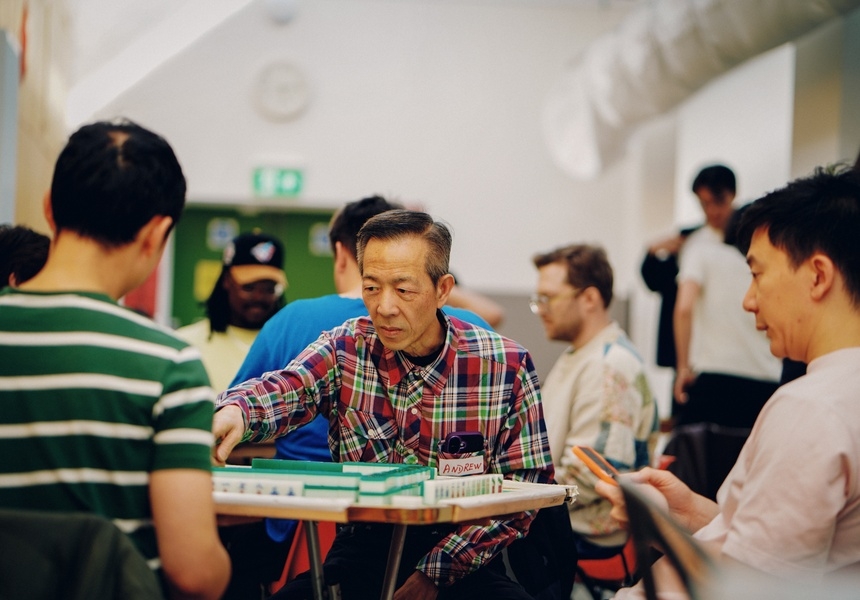
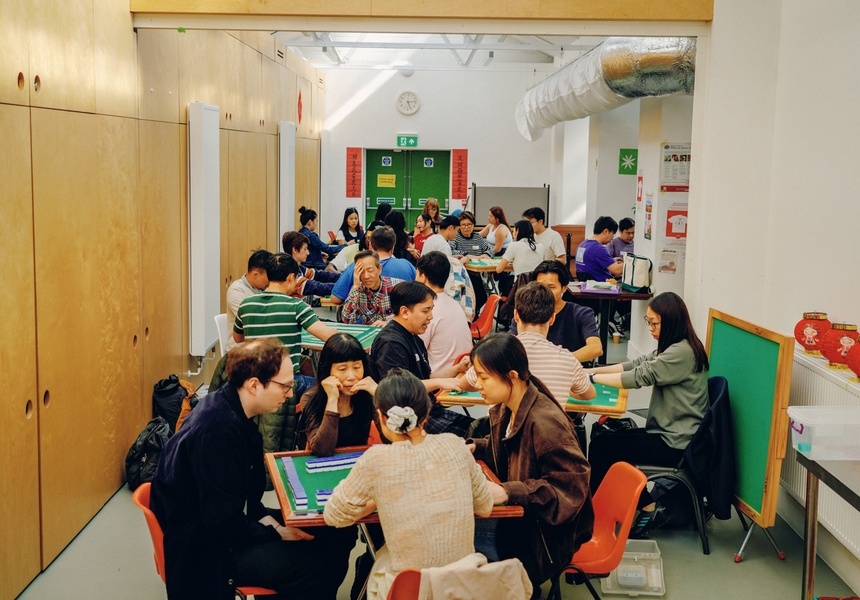
“The people yearn for mahjong,” declares Christy Ku, surveying the 50 players gathered to play this traditional Chinese game of pattern recognition and strategy at the ESEA Community Centre in Dalston. It’s a breezy Saturday morning at Four Winds, the volunteer-run club where Ku co-chairs and teaches beginners. “Ironically, I'm not a very good player,” she admits. “I'm a much better teacher.”
Mahjong was long associated with the gambling habits of older generations (my septuagenarian aunt was at one point nicknamed the Mahjong Queen of Lower Kowloon), but clubs like Four Winds are part of a world-wide wave of interest in the 144-tile game – an interest fuelled not by cash prizes or prestige, but by socialising and sheer love of the game.
“We're not playing our grandma's mahjong,” laughs Angie Lin, who co-founded Mahjong Mistress, the first gathering of its kind in Los Angeles. Lin puts the revival down to younger generations embracing a game once played exclusively by their grandparents and older relatives. “More and more people just want to connect back with their roots. We're tired of assimilating to white culture.”
Four Winds was born when its two co-founders, Ku and Connor Wan, saw a group of inquisitive young people gathered around older women – or “aunties”, to use the appropriate term of respect in Asian culture – playing mahjong.
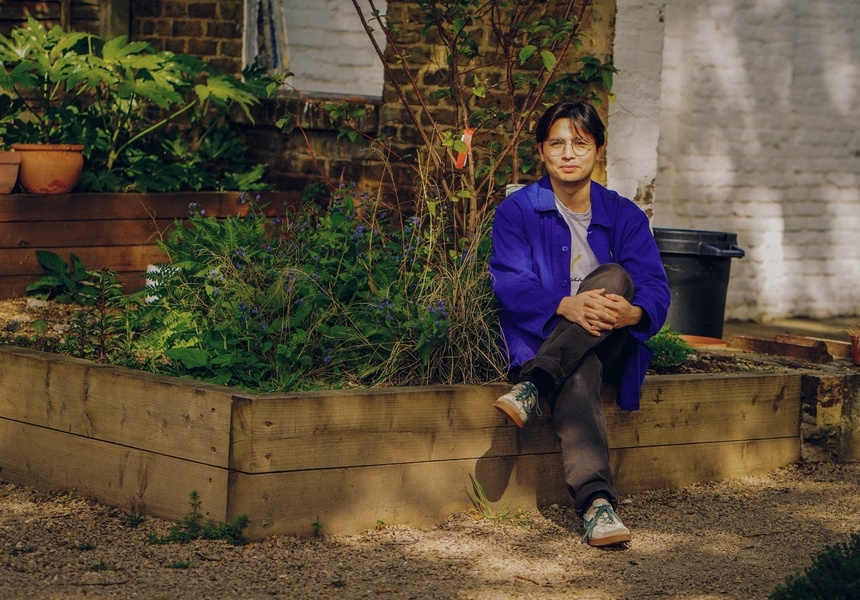
As the curiosity grew so did the club, and the game became a conduit for something deeper. “The club really is first and foremost a third space, one that’s accessible,” explains Wan, who has since moved to Vancouver and set up All Flowers, his own mahjong club.
Each session – barring the eat-and-play games the pair hosts at restaurants like Bao and Lotus Garden – is completely free. That counts for a lot in London, where grabbing a casual flat white and a snack with a friend can set you back a tenner. (There’s an optional donation of £6 for those who do want to pay their way; all proceeds go to the venues that host the club.)
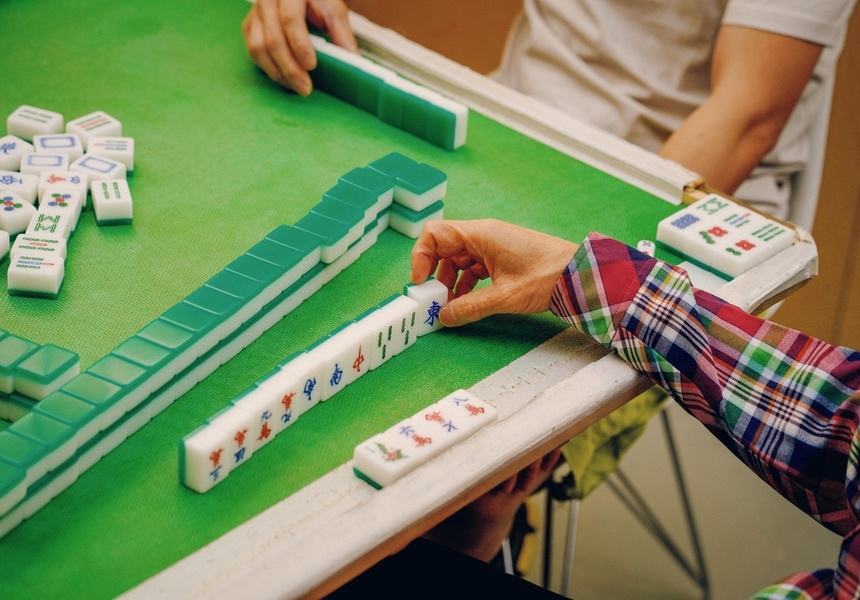
Nobody knows exactly when mahjong was invented, although rough estimates put it sometime in the mid to late 1800s. To win, you have to form four sets of tiles and a pair, but you also have to keep an eye on the tiles other players are discarding and picking up. Four Winds abides by Hong Kong rules, which require a strict point minimum to win, but there are different styles all over the world. Hop on a plane to Singapore, Manila, Taipei or Tokyo and you’ll find a variation of mahjong with a local flavour. “It represents the [Asian] diaspora, and it's incredible in that way,” says Lin.
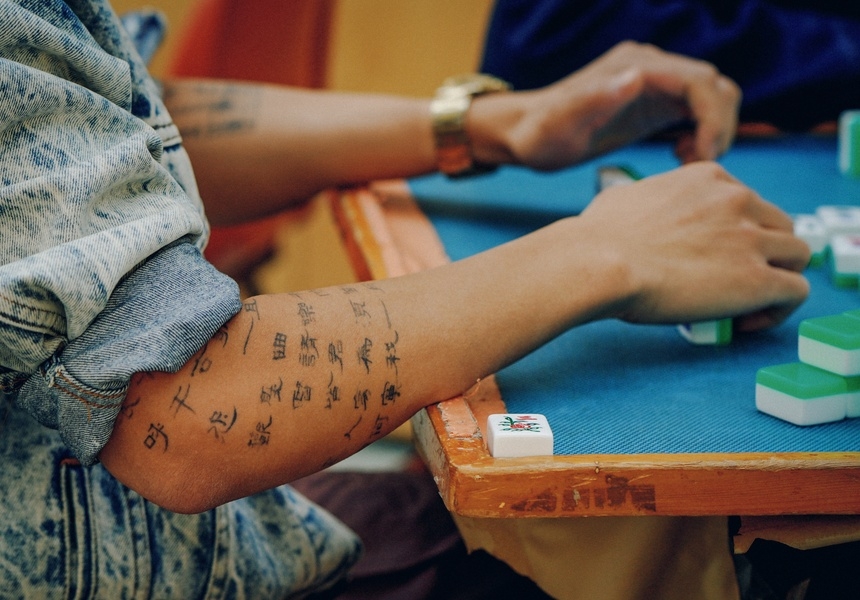
Back at the centre in Dalston, the room fills up with punters hoping to sneak onto a table once a spot frees up. Almost everyone is in their twenties or thirties; someone is sharing sweets round their table. You’d never normally get sweet-faced European insurance brokers in chore coats and Asian hypebeasts in intentionally frayed knitwear in a room together, but somehow Four Winds has made it happen. It’s also made a big difference to the Asian community at large – last year it raised £12,000 in donations to host venues.
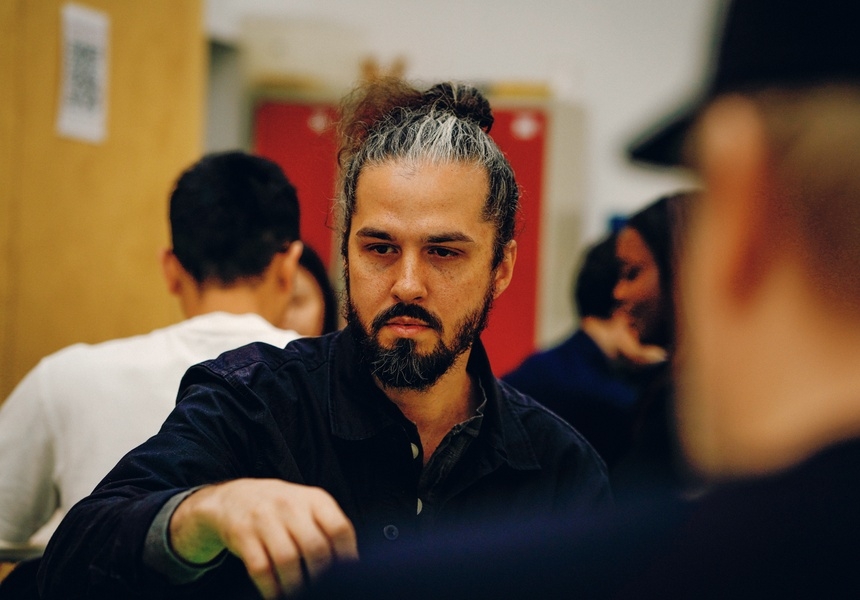
“A huge number of friendships have come out of Four Winds,” Ku says. “Some people have definitely brought first dates here.” Unsurprisingly, she and Wan were recently tapped by My Neighbours the Dumplings to host singles nights in Clapton, where tiles acted as conversation prompts. But you don’t have to be looking for love – Four Winds is open to anyone, as long as you come down in the spirit of friendliness and respect. Oh, and “don't be scared to lose”, Wan advises, “because that's how you learn to get better.”
Four Winds hosts mahjong sessions every week. Follow @fourwindsmahjong for the latest.
This article originally appeared in issue 4 of Broadsheet London's print magazine.