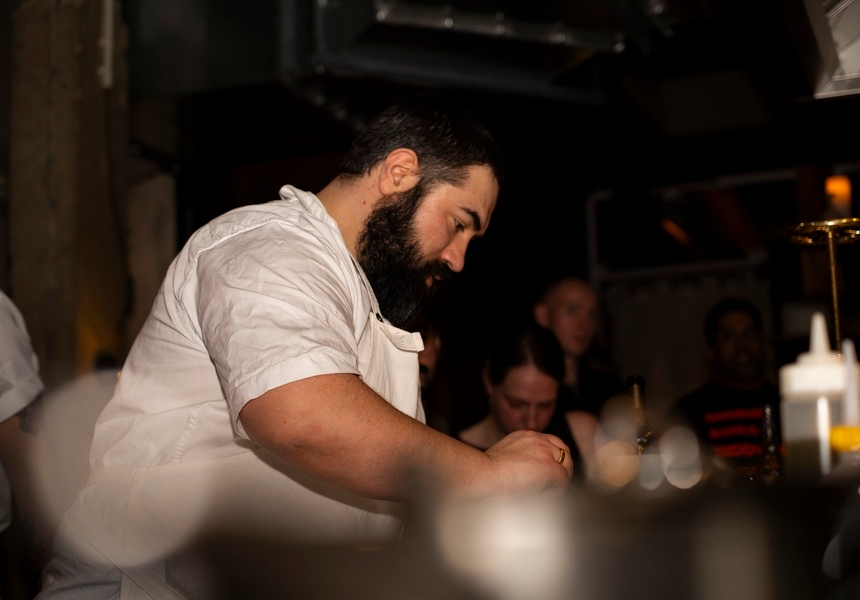
“The idea for Impala started about the same time I had my little boy, who’s five years old now,” says Meedu Saad. “Becoming a dad prompted me to learn more about my cultural heritage, and food felt like the right medium for doing that.”
Impala, the restaurant he opened last week, brings flavours of North Africa to Soho. It’s the newest member of the Super 8 stable (Smoking Goat, Brat, Mountain and northern Thai institution Kiln, where Saad is co-owner and executive chef). Saad, who was born and raised in Tottenham with an Egyptian father and British mother, has always loved learning about new cultures and traditions but felt “it was time to start delving deeper into my own – as well as those I grew up around in north London”.
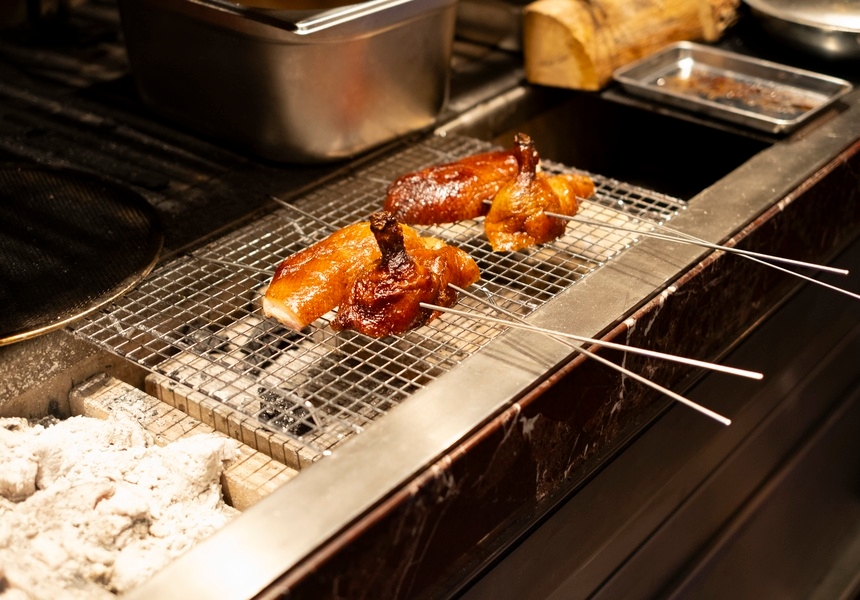
Named after the 1964 Chevrolet he drove during long, hot summers visiting Egypt in his younger years, Impala channels some of his fondest memories from this period. “My dad is from Ismailia in northern Egypt, which is famous for its mango harvest. I remember my cousin taking me to a friend’s farm where, after a full day in the sun picking fruit, the family put on an amazing spread of roasted birds, rice and fruit,” he says. “One dish in particular was a duck roasted in buffalo butter and stuffed with spices, which has become one of the core dishes on the menu at Impala.”
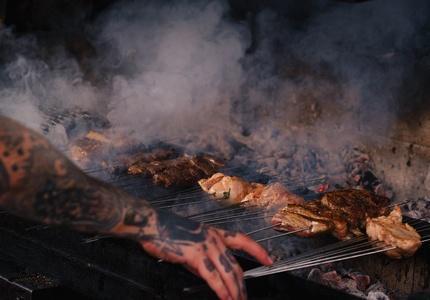
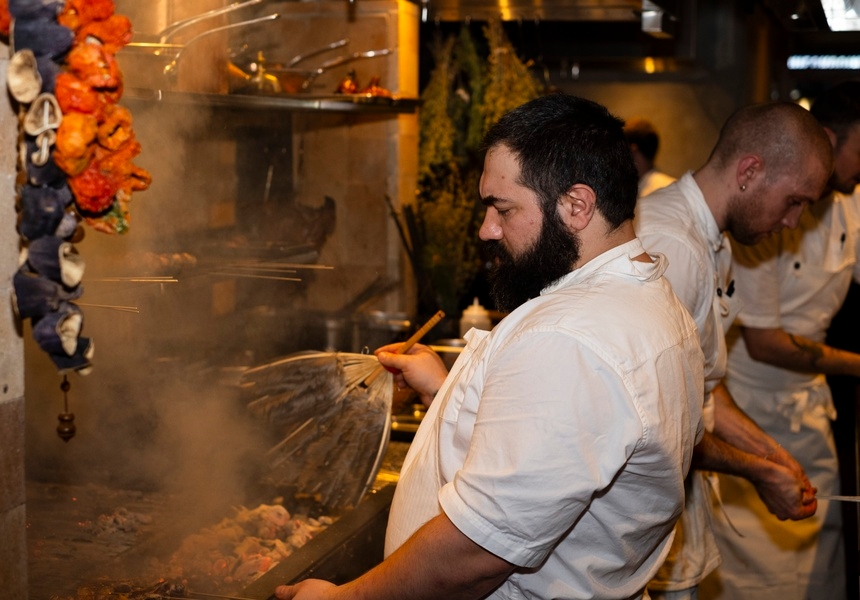
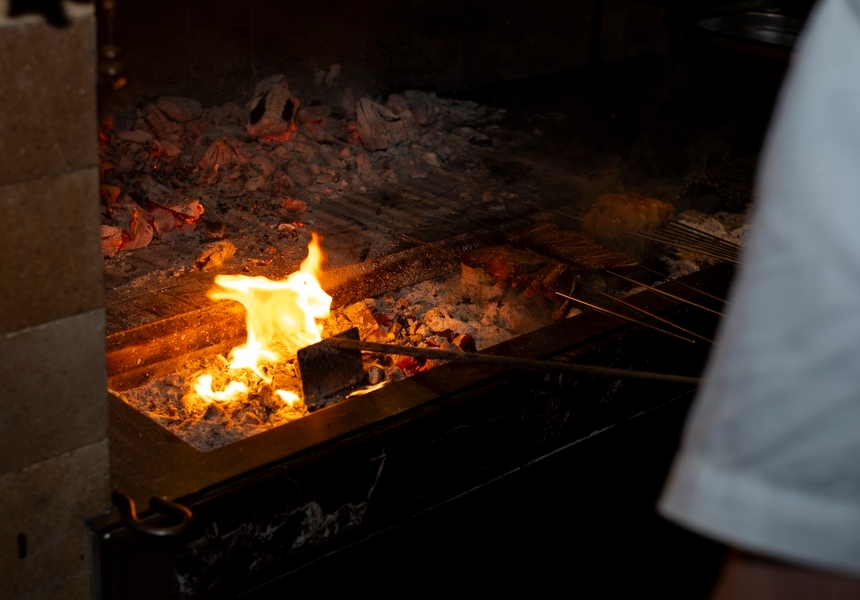
Saad’s other experiences in Egypt – grilling clams gathered from the Red Sea, learning recipes from his grandmother, tapping into the farming communities of Luxor and Aswan, visiting female-led organisations preserving culinary traditions near Cairo – have informed a menu that also shares cultural connections with Tunisia, Morocco and Algeria, as well as his native Tottenham. Key to a sense of cohesion is the charcoal grill. “Growing up around the Turkish mangals and Caribbean communities of north London, it feels like a no-brainer,” Saad says. “I see fire as an ingredient, and my cooking relies heavily on smoke and heat to give it its identity. And that ties in beautifully with the regions I’m exploring here, because fire is so prevalent in that food as well.”
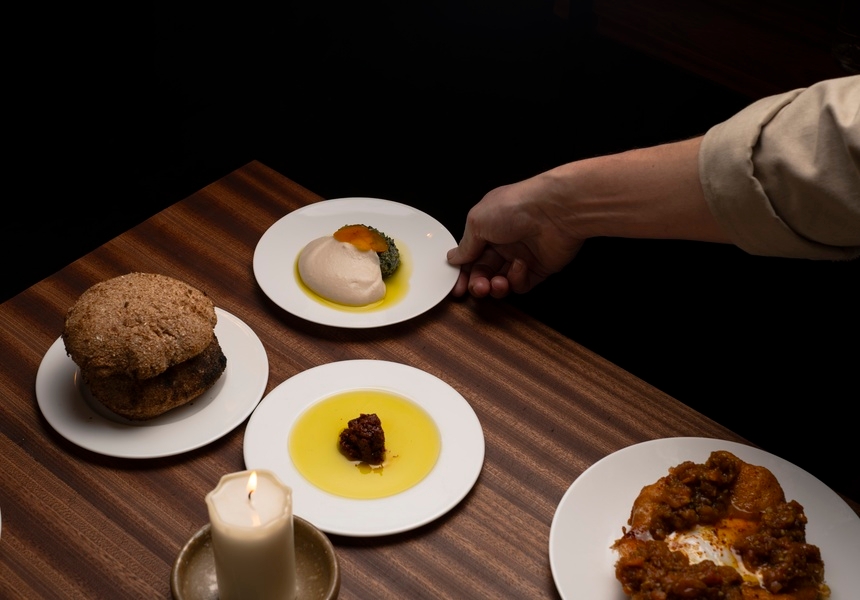
Saad has built relationships with suppliers across the UK, including revered Cornish fish supplier Kernowsashimi and a network of regenerative vegetable farmers, while also stockpiling a larder of ingredients and spices. “We’ve been pickling and salting chillis, peppers and aubergines at the height of their season, and over winter we’ve been preserving Palestinian limes, quince and citruses, which will be served alongside interesting cuts of meat grilled over the charcoal.”
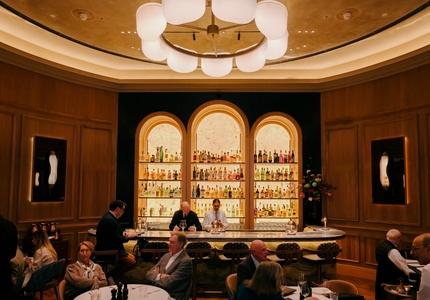
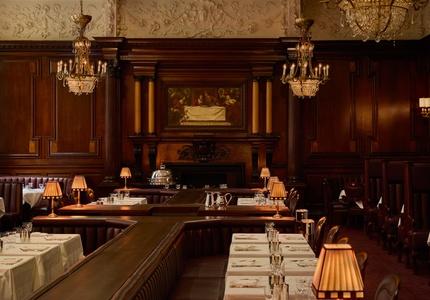
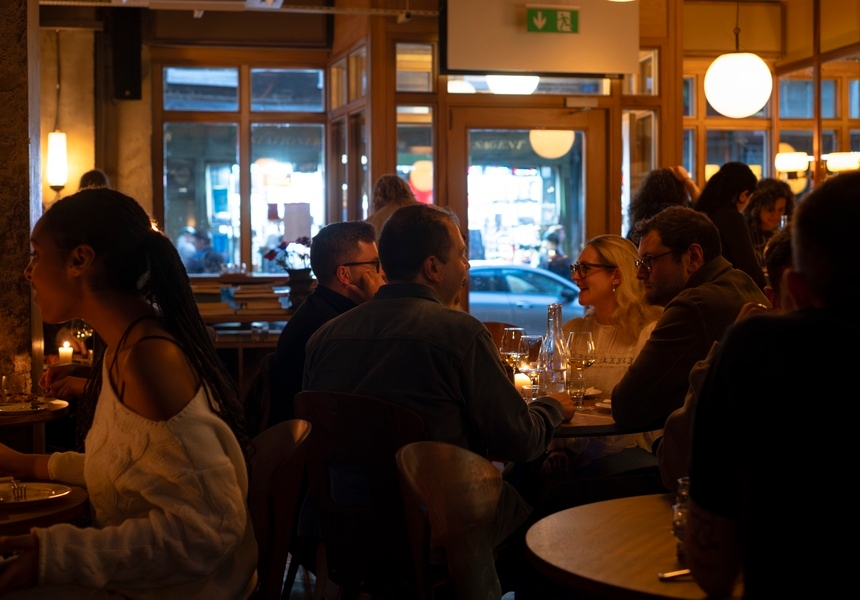
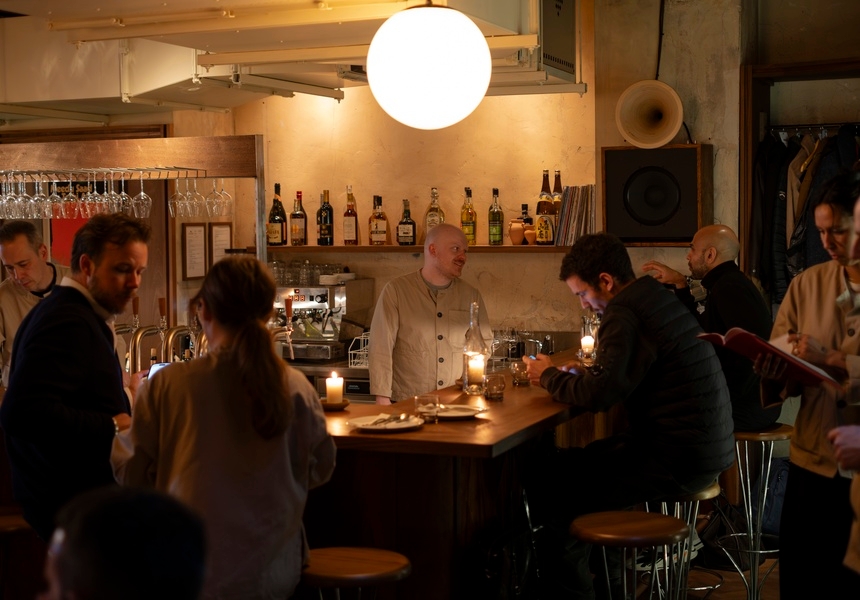
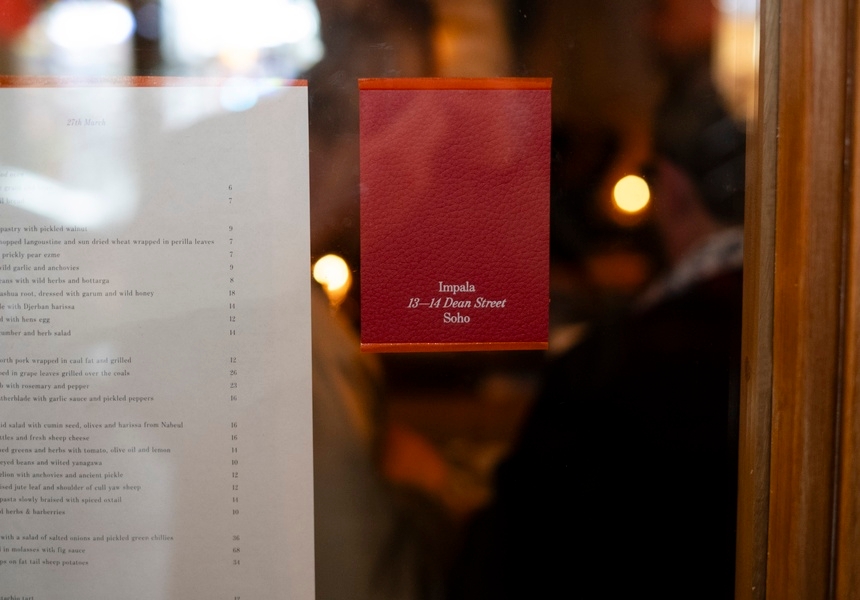
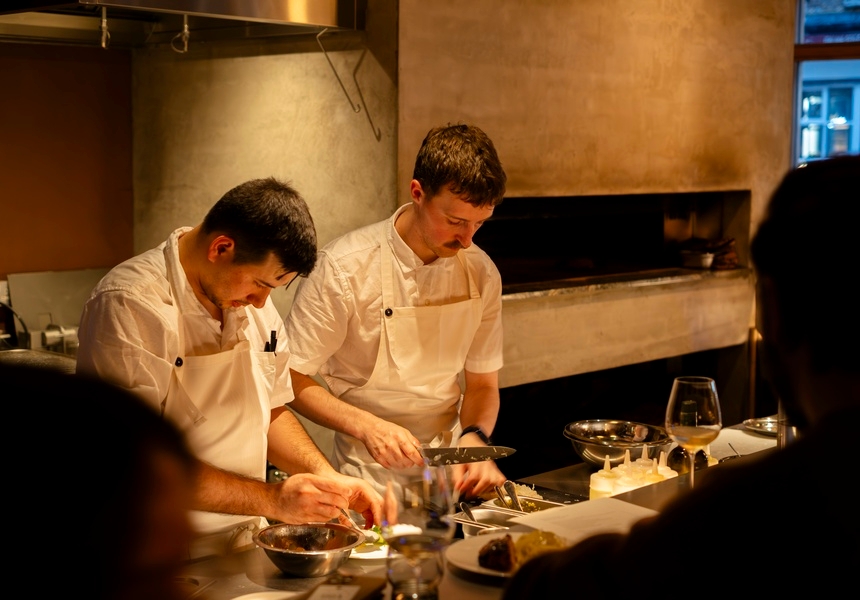
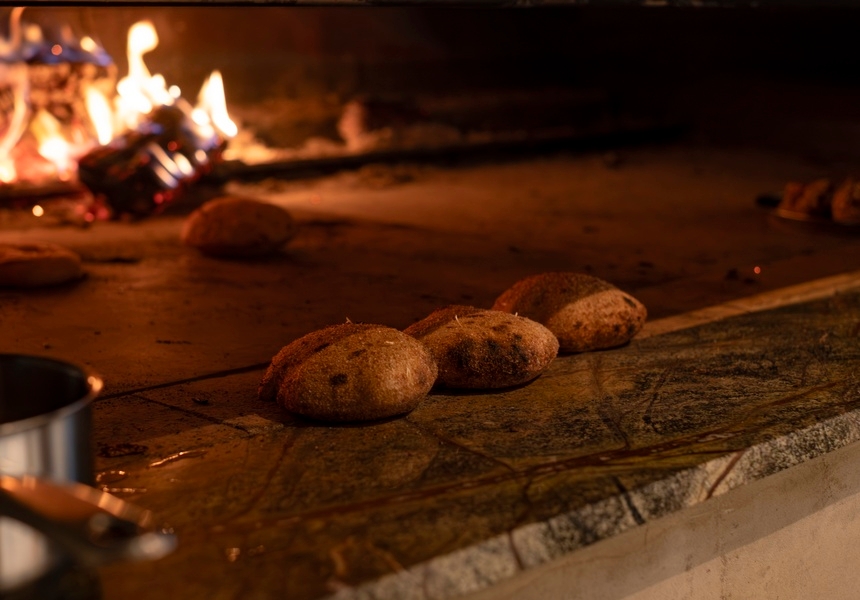
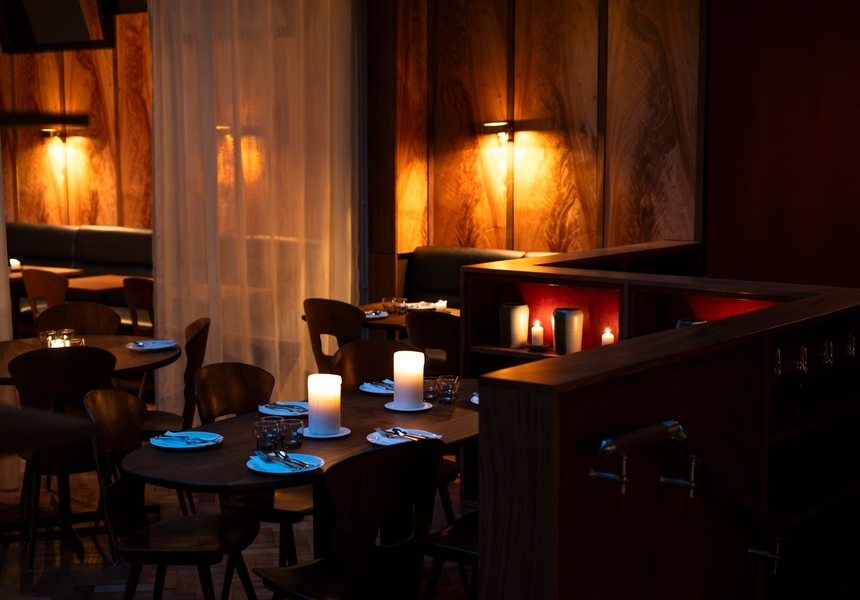
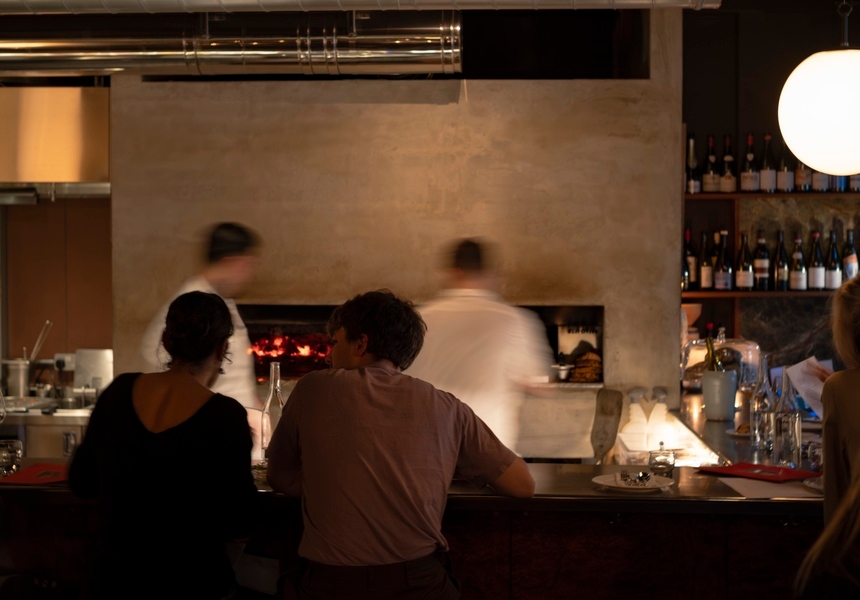
It has all come alive in a space bathed in natural light and punctuated by pieces from revered mid-century architects Carlo Scarpa and Carlo Mollino. There are intimate corners and a large kitchen counter where diners can observe the ins and outs of Impala’s huge woodfired oven, which references those that serve whole neighbourhoods in community hubs across north Africa. “I hope that Impala feels new but also familiar, that people feel it’s accessible but still special,” says Saad. “Soho feels like home to me and we’re in an incredible location on Dean Street, near some of the best restaurants to ever do it – Quo Vadis, French House, Barrafina. I hope that Impala can further add to the scene.”
This article first appeared in the third issue of Broadsheet London's magazine. Here's where to find a copy.