The Counter is a weekly column from award-winning restaurant writer and broadcaster Jimi Famurewa. Sign up to get The Counter first, sent to your inbox every Wednesday.
Hello team.
Years from now, what do you think your prevailing image of last week’s once-in-a-generation solar eclipse might be? Will it be mildly underwhelmed children peering through cardboard glasses and hastily modified boxes of Shreddies? Hordes of colander-clutching Londoners heading onto parched, browning heaths as if marching towards an especially ridiculous apocalyptic battle? For me, whenever anyone brings up the astral hysteria of 2026’s boiling heatwave summer, I will forever associate it with Johnny Boy's: chef and restaurateur Julian Denis’s sun-soaked love letter to LA’s immigrant-run diners, lunch counters and burger joints.
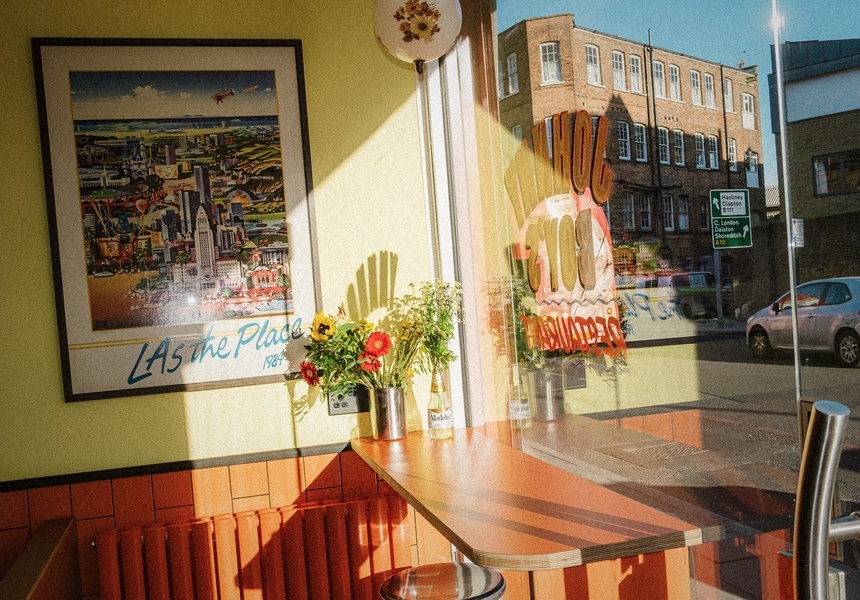
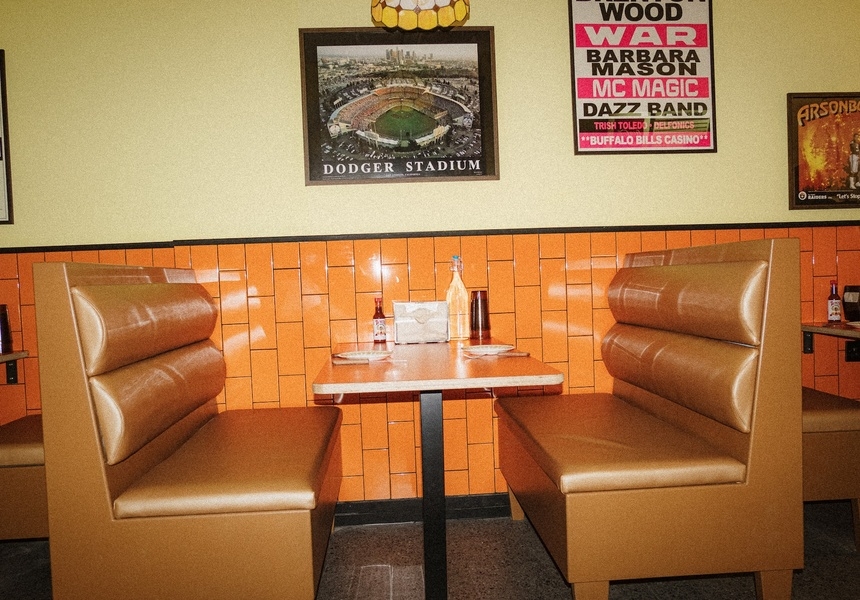
A serendipitous booking meant that – just as the rest of the capital commenced posting eclipse-core photos to Instagram and rolling the dice on their retina function – I was stepping beyond the portal of this Stoke Newington spot’s Coca-Cola-branded retro frontage and into a kind of meticulously wrought Southern Californian fantasia. Fanta-orange tiles, formica tables and plump sepia-hued booths sparkled. Pieces of Angeleno-bait ephemera and 1990s visual madeleines (LA Raiders art! A poster for a Dr Dre gig! Faux Tiffany lampshades like the ones in Pizza Hut!) ornamented the narrow space. And, as Mambo No 5 clattered out of the stereo and people briefly abandoned their Palomas to steal a hazardous glance at the eclipse, a fittingly Californian magic hour glow poured in through the windows.
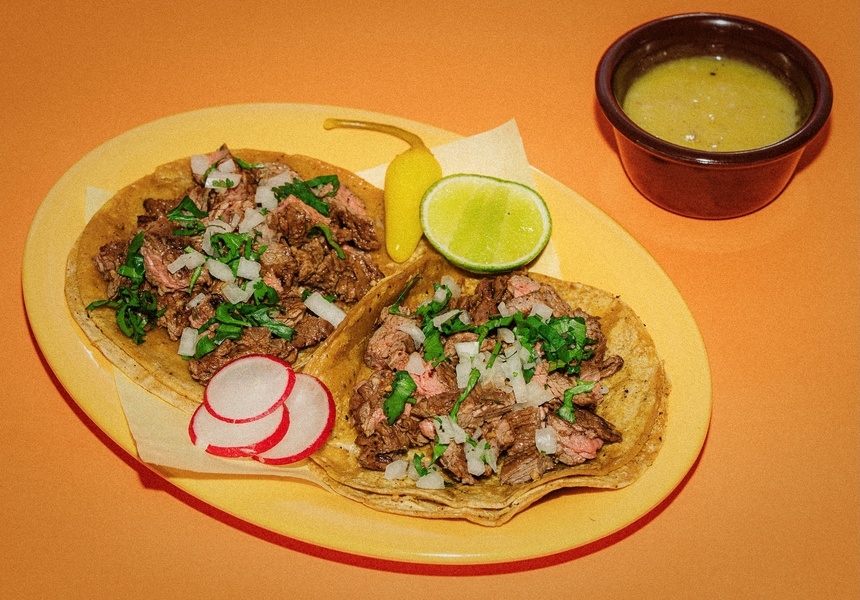
Inadvertent momentousness aside, it was a dinner that left quite the impression on me. Not just because the food – a consciously borderless SoCal-inspired parade of thick-cut, lavishly salted zucchini fries, braised beef tacos and fried chicken plates – is so sharply rendered and deeply satisfying. But also because it forced me to consider just how far London’s “American diners” and broader US-inspired restaurant scene has come. What was once largely a landscape of shonky Happy Days-level motorway diners, wearying “dude food” dives and garbled Tex-Mex chains, now encompasses everything from Philadelphia-indebted hoagies to the specific nuances of Appalachian mountain cooking. Newhaven pizza at Lenny’s. Chewy Montreal-meets-NYC-style bagels at Banook. Decatur’s hominy grits and andouille gumbos. What was once clangingly obvious and culturally garbled has, of late, become richly textured, highly surprising and hyper-specific. And Johnny Boy’s – far bolder and braver than a straightforward smashburger spot or ersatz taqueria – feels almost like the final boss of this mode of North American regional specificity. So where did the impetus for it come from? And what does it tell us about how the capital’s dining scene is changing?
Let’s start with why Denis – an LA native who is also behind Mare Street’s plant-forward dive bar establishments, Facing Heaven and Easy Eight – felt compelled to create this particular restaurant. “Johnny Boy’s came from selfishness, homesickness and a desire to cook the food of my home,” he explains, when I speak to him a few days after my meal there. “I’d always grappled with where my identity lay in food and I realised I’d spent years cooking food that, ultimately, wasn’t my own.” Over the course of trips back to the US, Denis (who has Puerto Rican, Portuguese and American heritage) took a second look at the comfort food establishments of his youth: bustling, immigrant-run burger bars and luncheonettes where an ostensibly “all-American” culinary repertoire became an inadvertent expression of the region’s intermingled Greek, Mexican, Jewish and Japanese communities. Stacked pastrami sandwiches. Hawaiian-style macaroni salads and Latin-inflected steak plates. Frothy flagons of Orange Bang, a legendary local soft drink, unexpectedly muddled with milk and egg whites. All of these reappear at Johnny Boy’s, behind a moniker that winks at the way these immigrant-run businesses would often try to assimilate via ostentatiously all-American names.
This cultural complexity is a world away from the kind of straightforwardly diner-coded establishments that litter London’s restaurant history. Yes, there have been spots with a certain shonky charm (the original Ed’s Easy Diner on Compton Street; Fatboy’s, a legitimately brilliant diner that operated out of a US-built, chrome-fronted, 1950s dining car in Trinity Buoy Wharf until 2024). But, from The Electric to The Breakfast Club, previous attempts have tended to either refine or overcomplicate the formula too much, losing something of the particular patina and energy in the process. “American-inspired places in the UK are so often misses that I don’t really pay too much attention to them anymore,” admits Denis. “But I think it’s more about the attitude and the atmosphere than trying to recreate something. For example, I feel like there’s a direct lineage between the local [British] caff and the Southern Californian neighbourhood burger joint.”
This synergy plays out at Johnny Boy’s in its affordability, kitsch (there was also a Ricky Martin needle-drop when I was in) and bottomless drip coffee. These details will undoubtedly strike a chord with London’s ever-swelling cohort of American transplants and transatlantic visitors (Denis: “I think a lot of these new North American openings are definitely affected by post-Brexit migration to the UK. I hear so many US accents now compared to 10 years ago.”). Yet, the paradox of London’s current dining market is that authenticity, deep-cut cultural specificity and imported ritual – be it NYC-style slice shop culture or morning bagel runs – tends to play especially well with those who have no direct experience of it. “I really think the days of watering things down for the consumer are over,” Denis adds.
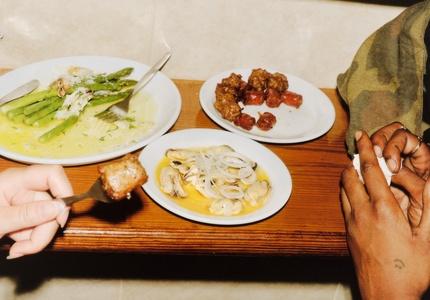
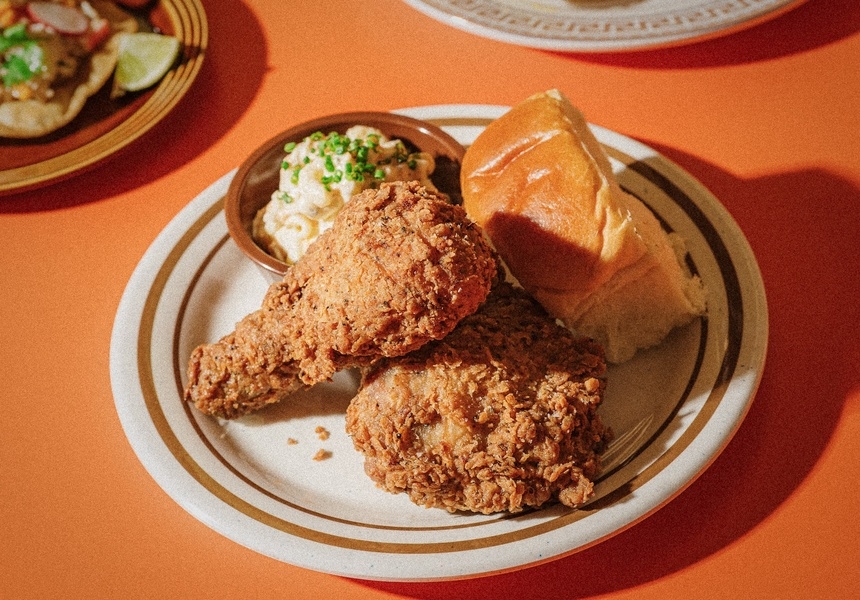
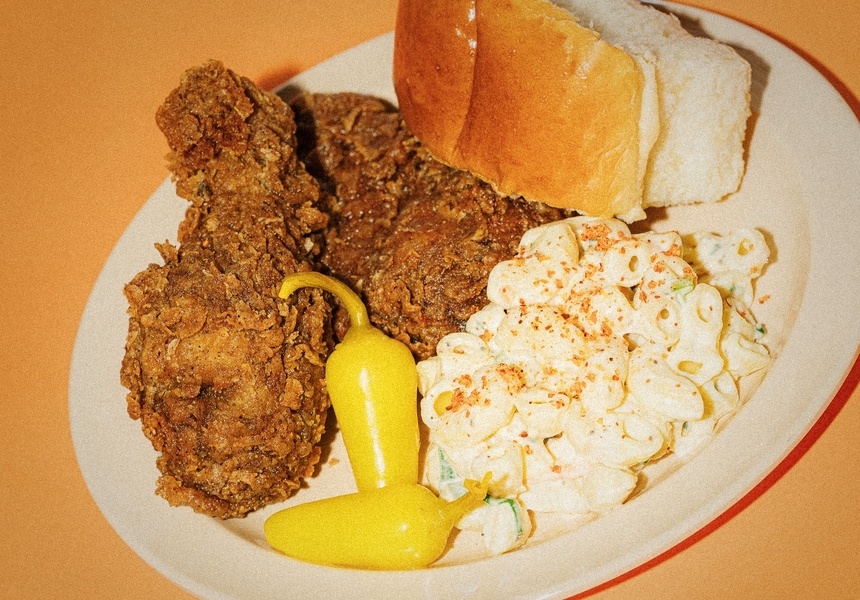
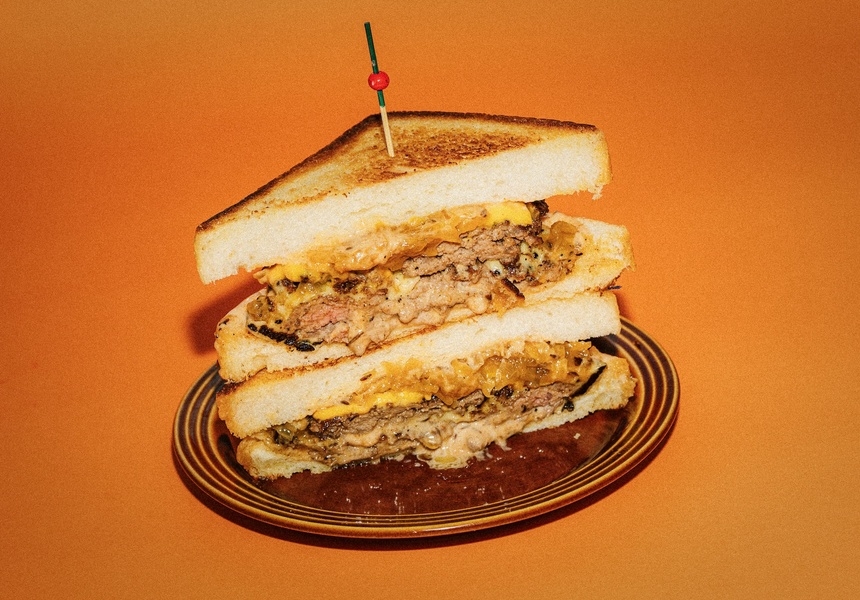
So can this highly concentrated slice of Southern Californian comfort stay the course? The best compliment I can pay Johnny Boy’s is that, in an era of hypey destination spots and impossible bookings, it feels like the sort of dependable, habit-forming canteen that you want to form a life around. We tried the thickly cragged fried chicken and tangy, consoling potato salad; we experienced the deep, beefy savour and oozy, chin-dripping onions of the patty melt. And yet, there were still three or four dishes that we wanted to come back for. “Oftentimes, it takes six months to a year for a new restaurant to really lock in and find its feet, so we’re just hoping to stay on that wavelength and keep refining things,” says Denis. I’d say they have a good chance of enduring. They may not be around by the time of the next solar eclipse. But Johnny Boy’s is one of a number of openings betting on the fact that something intensely personal can have serious mass appeal.
For Jimi Famurewa’s dish of the week, sign up to get The Counter first, sent to your inbox every Wednesday.
Got a question about London's dining scene that you'd like Jimi to answer, or a hot tip about a great place to eat or drink in London? Email jimi@broadsheet.com.