The tragic death of Cuban American artist Ana Mendieta (1948–1985) often overshadows her work – but the Tate Modern’s major new retrospective aims to redress the balance.
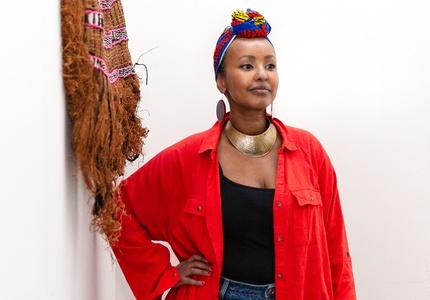
“It felt important to celebrate her life and vitality as an artist,” curator Elsa Collinson tells Broadsheet.
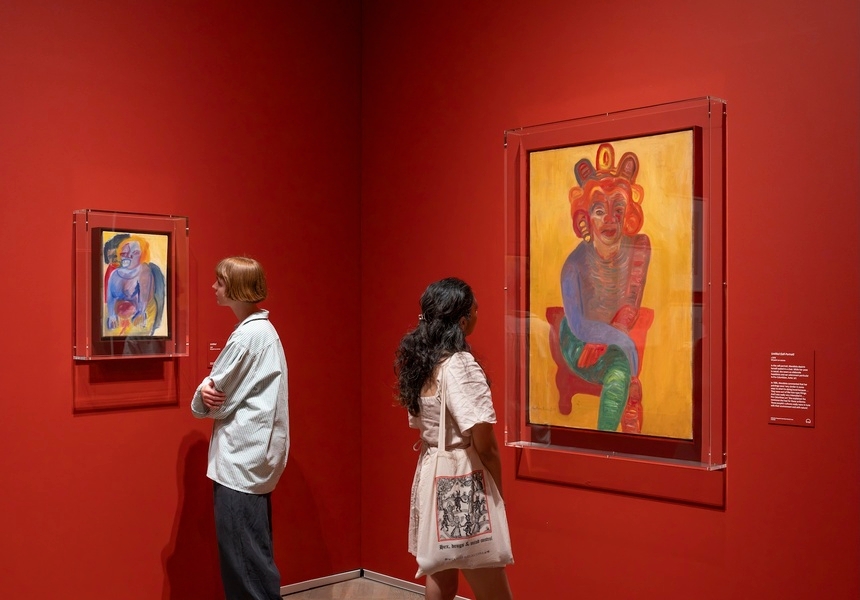
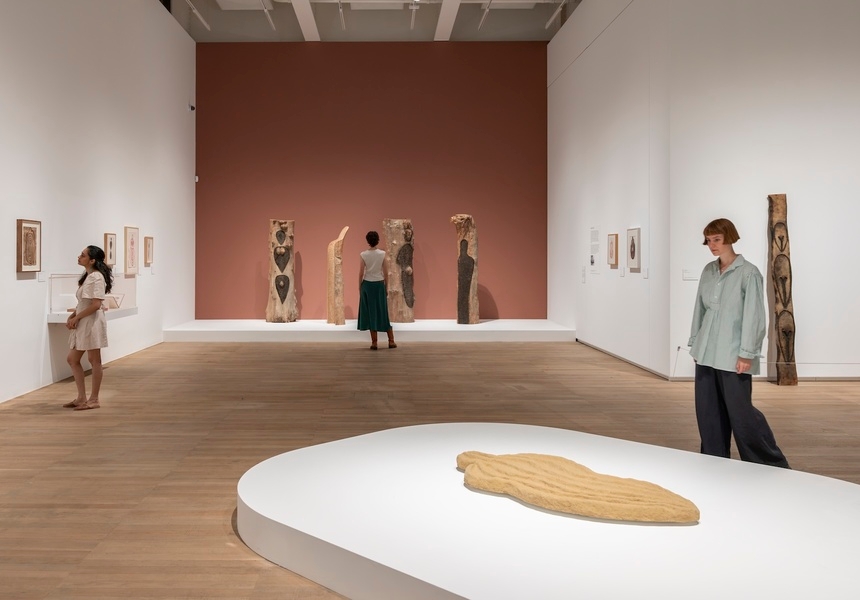
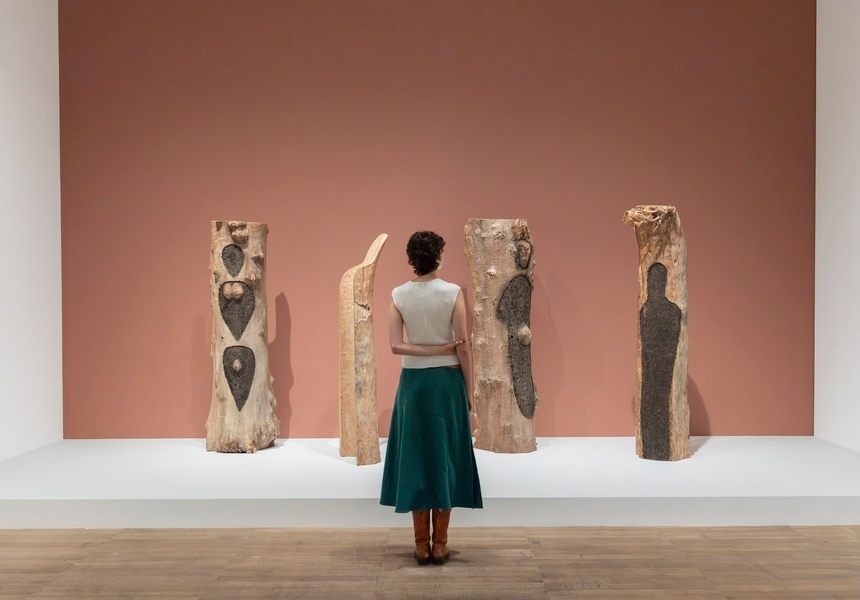
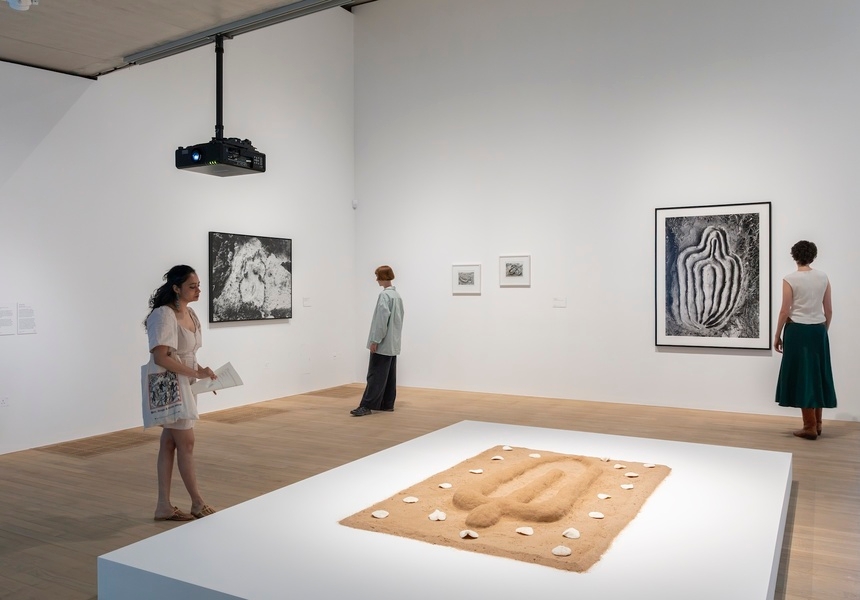
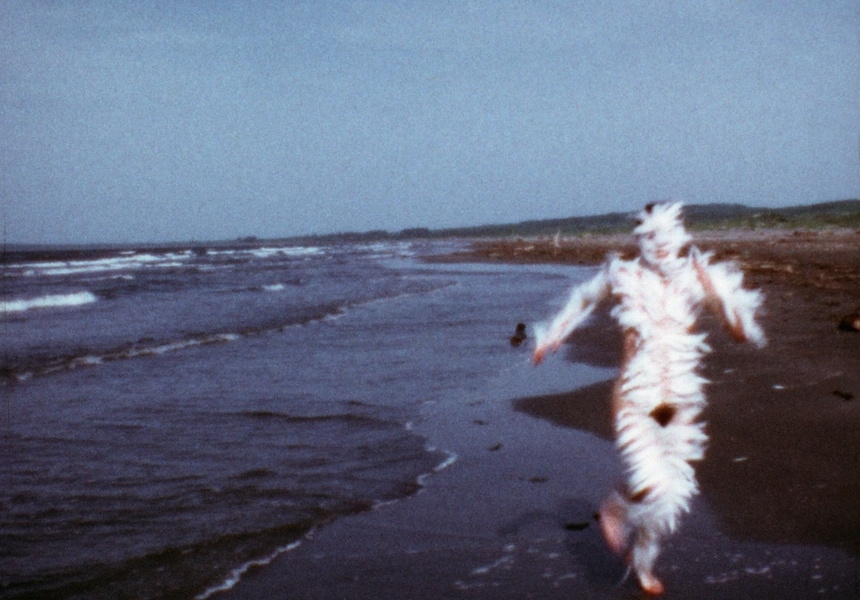
Exhibited at the same time as Tracey Emin and Frida Kahlo at Tate Modern, this show (the first major UK exhibition dedicated to Mendieta in more than a decade) marks a turning point in Mendieta’s legacy, arguing she should also be a household name. Bringing together 120 works, Ana Mendieta celebrates how she embraced materials in an entirely novel and inventive way, using everything from fire and animal blood to her own body in her remarkable artworks, which span film, photography, sculpture, prints and drawing. The common thread? The artist’s own body, as well as a spirit of playful rupture or even violence.
Stepping inside the gallery, visitors are faced with images of Mendieta’s Esculturas Rupestres (Rupestrian Sculptures), illuminated by patches of sunlight pouring through the narrow slots in Tate’s Blavatnik building’s concrete walls. These sculptures, presented in a cave-like space, were carved by Mendieta into limestone caves in Cuba, as if they’d existed for millennia. “My work is basically in the tradition of a Neolithic artist,” Mendieta once said. Inspired by pre-Columbian cultures (Indigenous societies in the Americas that existed before European contact), Mendieta’s practice is rooted in an expansive sense of geological and historical time. “Mendieta was connecting to cycles that were larger than her,” Collinson explains. “But she was also referring to the materiality of her works, using natural ephemeral materials that were close at hand.”
Born in Havana in 1948, Mendieta fled Fidel Castro’s Cuba in 1961, arriving in the US with her sister and moved to Iowa where she embarked on an artistic education. Without leaning too heavily into her biographical timeline, the Tate show hints at her status as a refugee, her sense of dislocation and a desire to belong with the earth. “I work with the earth, I make sculptures in the landscape. Because I have no motherland, I feel a need to join with the earth, to return to her womb” Mendieta said.
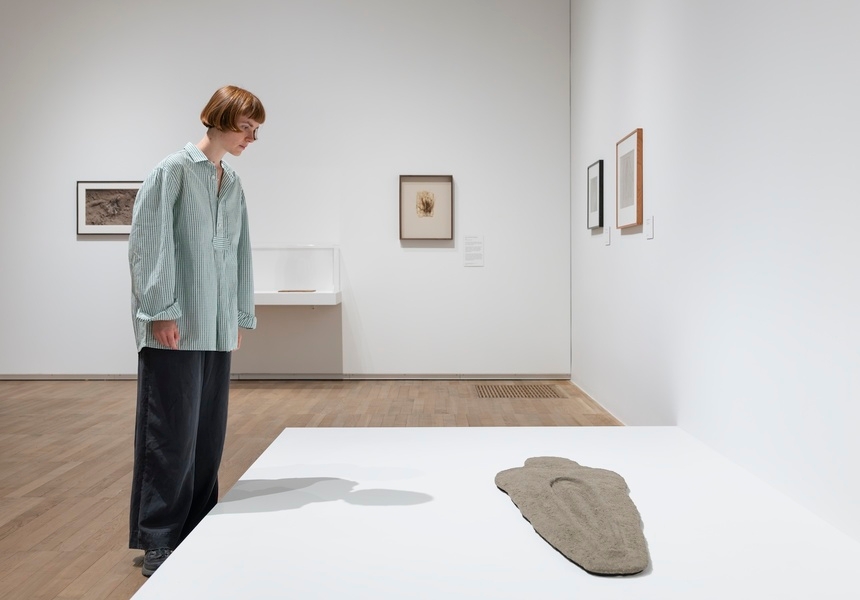
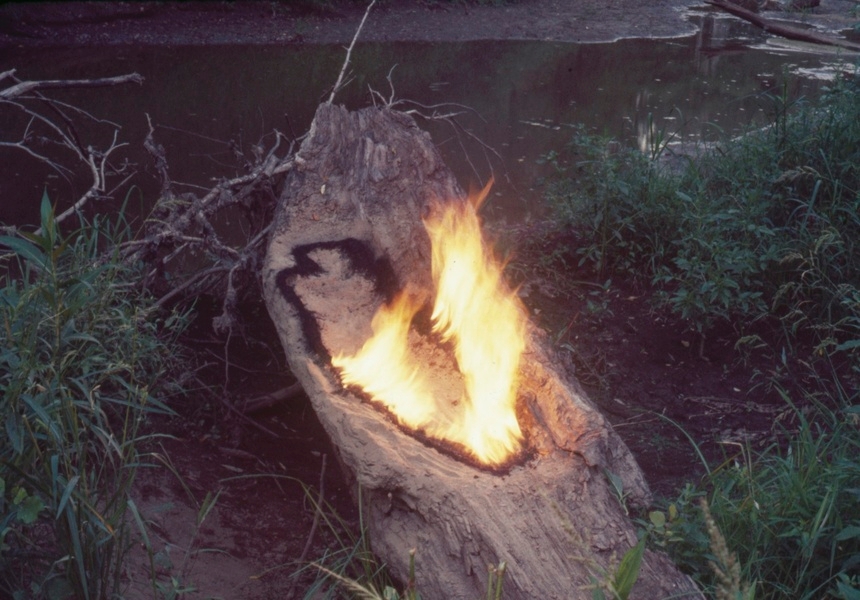
Her ritualistic Silhueta Series – imprints of her own body in the earth, featuring natural materials like fire, water and flowers – convey a spiritual connection with the land. “Her work is about both the presence and absence of her body in the landscape – a kind of dissolving of herself in the natural world,” says Collinson.
Fire is also an element Mendieta repeatedly returns to, as seen in her remastered Super 8, 16-millimetre films, in which flickering flames allude to a crucifix shape in the ground. Fire also presents in her scorched Siluetas and the work Ñañigo Burial from 1976, a floor-based work consisting of black ritual candles arranged in the shape of Mendieta’s body.
Mendieta died in 1985 after falling from the 34th floor of the New York apartment she shared with her husband, the internationally renowned artist Carl Andre, who was tried for her murder, and later acquitted. The circumstances (and the debate over whether Andre was indeed guilty) have long threatened to eclipse Mendieta’s artistic achievements, a narrative the Tate deliberately rejects. The curators purposely make no reference to Andre. Instead, this exhibition treats Mendieta as the serious artist she felt herself to be, an experimental thinker, practitioner and empowered woman who separated herself from many of her contemporaries, including even second wave feminists and other figures affiliated with the earth art movement in the ’70s.
Ana Mendieta runs at Tate Modern from July 15, 2026–January 17, 2027.