Along with Egypt’s rise as a travel hotspot – its tourist board reported an unprecedented 20 per cent jump in visitation last year – the country has recently been redefining itself as a global design destination. Now a new generation of designers are making their mark on London too, keen to build on ancient roots and shape the future of Egyptian craftsmanship beyond the homeland.
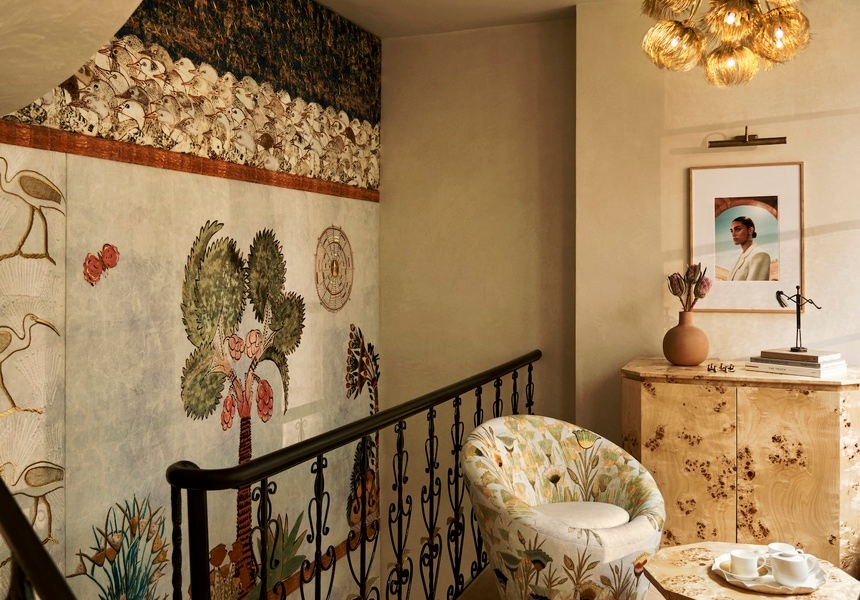
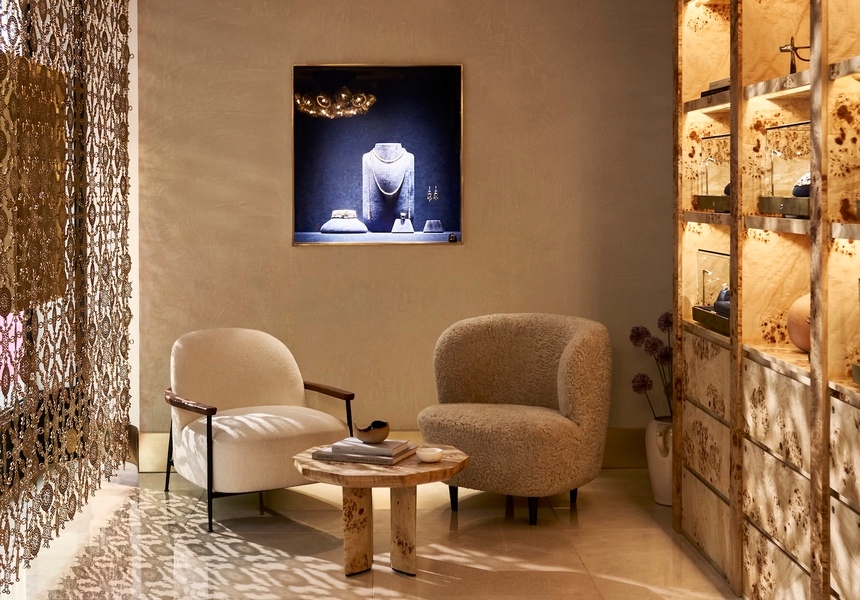
The Cairo-headquartered, family-run jewellery house Azza Fahmy unveiled a new three-storey boutique in Mayfair’s Burlington Arcade last summer. Its design, according to head designer Amina Ghali, the youngest daughter of founder Azza Fahmy, “draws on ancient Egyptian aesthetics, reimagined to reflect who we are today”. To bring its vision to life in London, the team collaborated with some of the region’s most respected creatives – Bokja’s textile work sits next to pieces by lighting designer Randa Fahmy and marble surfaces by Marmonil.
“Storytelling has always been at the heart of what we do,” says Ghali, of the company’s expanded London presence. “It began with my mother’s approach of researching history, literature and culture, and has continued to evolve through the family. Rather than looking at heritage as something to preserve in its original form, we approach it as a source of inspiration, reinterpreting it through each generation’s perspective.”
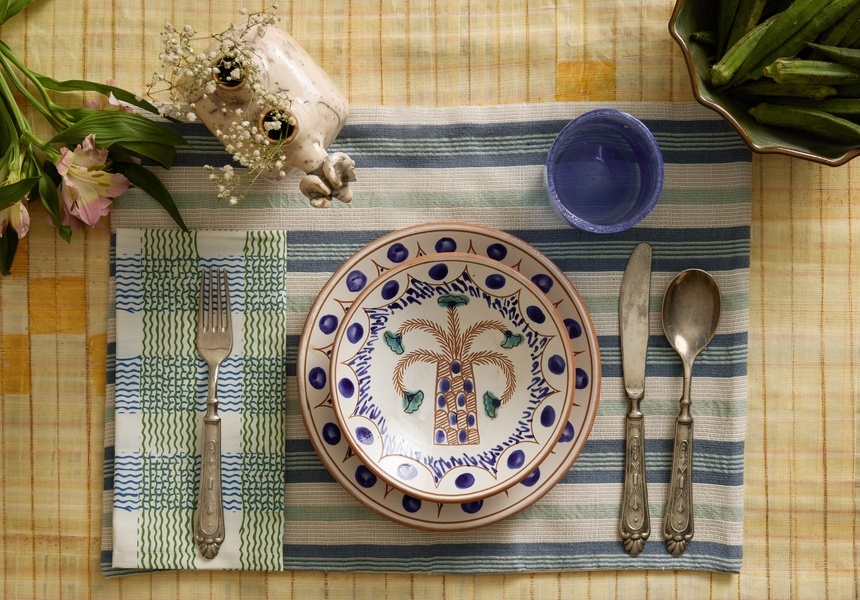
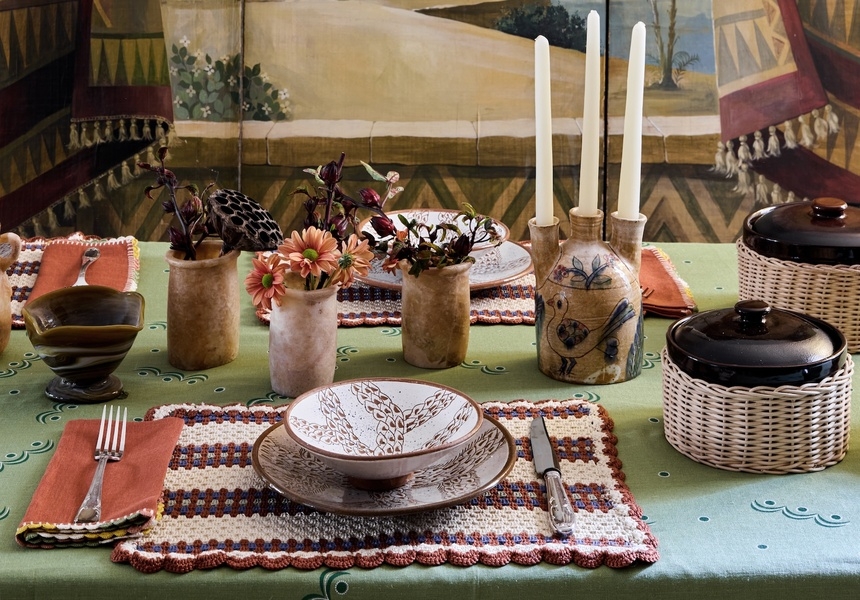
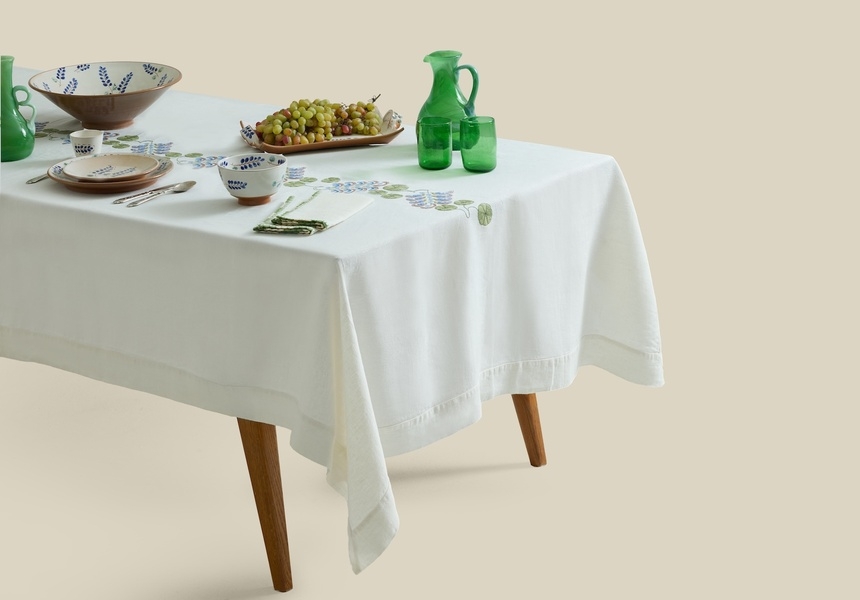
Goya Gallagher was born in Ecuador but a love for her adoptive home of Egypt was the catalyst for Anut Cairo, a collection of handwoven textiles, ceramics and objects available at Notting Hill’s Couverture & The Garbstore, Chelsea’s Soroka and online. “It felt like there was room to work alongside Egyptian artisans, to honour a craftsmanship that stretches back millennia and carry it into something more contemporary,” she says.
Gallagher’s belief is that, as the world becomes more automated, we’re drawn to handmade objects where time, commitment and a bit of joy have gone into the making: “Our wave cushions, for instance, are made from fabric handwoven in a village along the Nile that was a centre of textile-making in ancient Egypt. That thread of continuity, held inside a single object, still amazes me.”
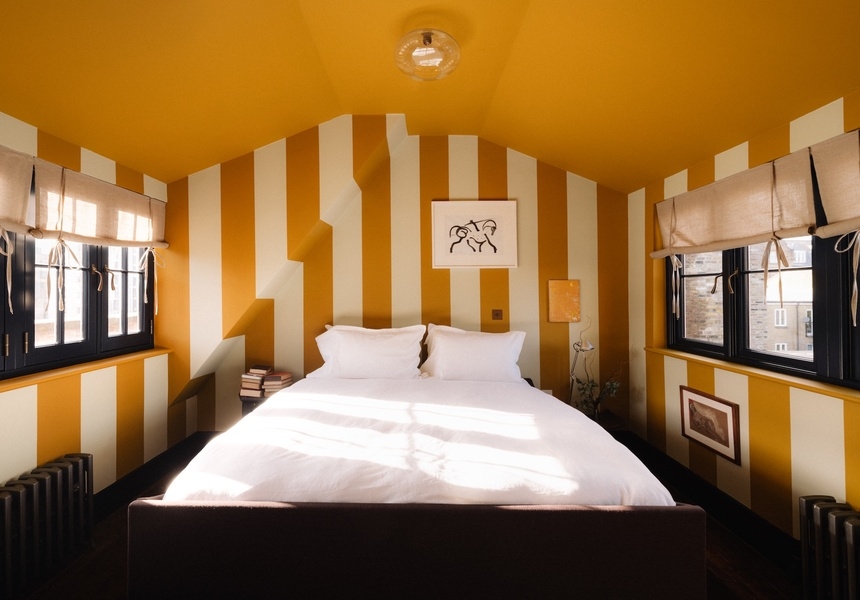
Sustainable clothing and home decor brand Kotn has taken its arrival in the city one step further, opening a free creative residence and private hotel above its Redchurch Street flagship in April. “Egyptian hospitality is instinctive, unspoken and generous by nature,” explains founder Rami Helali.
“That idea was reinforced in the early days of Kotn. I was spending time in a village in Fayoum learning about cotton and met a farmer who invited me to his home for dinner that same night. I ended up staying for months, working in the fields and getting to know his family. The experience stayed with me, and London felt like a natural extension of that community.”
The invitation-only, one-room retreat, Beit Kotn (Arabic for “House of Kotn”), moves beyond traditional hospitality. “It’s designed for creatives and thinkers from the global creative community who are moving through the city or working on projects here,” Helali says.
“I’m interested in what happens when people are given space without pressure. That could be for writing, music, design, film, conversation, or even community work. More than anything, it is about building a community that feels open, considered and connected across cities.”
Five more Egyptian designers to know
Laila Gohar food artist and homeware designer
Nadine Mosallam womenswear designer
Lina Alorabi luxury furniture maker
Tarek Shamma architectural designer
Omar Chakil furniture- and object-maker
Where to get your Egyptian culinary fix in London
Impala Soho
Conscience Kitchen Notting Hill
Claypot Supper Club Various locations around London
This article originally appeared in issue 4 of the Broadsheet London magazine.