The Counter is a weekly column from award-winning restaurant writer and broadcaster Jimi Famurewa. Sign up to get The Counter first, sent to your inbox every Tuesday.
Hello again.
If you want to understand the genesis of the lunchtime special at The Kerfield Arms – a near-mythical, absurdly affordable £12 plate that is almost certainly the cheapest Michelin-starred meal in the country – then you first need to journey back to Islington in early 2022. This was where Adam Symonds and Rob Tecwyn, founders of Camberwell dining tavern The Kerfield and its handsomely restored north London progenitor The Baring, had parked themselves for their five-month pub renovation project, and tried practically every grab-and-go lunch option in the area.
“Every day, we’d be like, ‘How have I spent 15 or 16 quid on just a sandwich and a coffee?’ says Symonds. “That was when we just thought: we can do something here. Our thought [with the weekday lunch deal] was that our chefs would probably be working in the day anyway and it would be really good to just do something that was affordable to a lot more people.”
Their decision to put on a simple yet considered £12 worker’s lunch at The Kerfield Arms – anything from pork and venison meatballs to steak frites, available with a small drink for just £3 more – proved prescient. Not just in the sense that it has put them in a particularly good position to capitalise on the uplift that followed the surprise capture of that first Michelin star in February (“It’s bonkers,” notes Symonds. “We’re now doing 300 portions [of the lunchtime special] a week”).
But also because it anticipated what very much feels like a prolonged golden age for lunchtime deals and heavily discounted set menus across London’s dining scene. One dish and a tipple for £15 at The Marksman? Three lunchtime courses for £19 at Brunswick House? A trio of dishes plus a drink for £29.75 at the freshly unveiled Romano’s? Even the unapologetically ruinous River Cafe is getting in on the act, recently extending a £65 three-course set lunch until the end of the month. In fact, it is easier to find restaurants that aren’t offering some form of scarcely believable set menu deal. On the face of it, it’s brilliant news for diners. And yet, over recent months, as the wild, price-slashing offers have started to feel like the sort of full-scale price war once waged by provincial furniture salesmen, I have started to wonder. Can these cut-price menus ever be profitable? How sustainable are they? And, at a time when the industry is trying to emphasise the expense of quality ingredients and fairly remunerated staff, can they actually be of long-term benefit to restaurants?
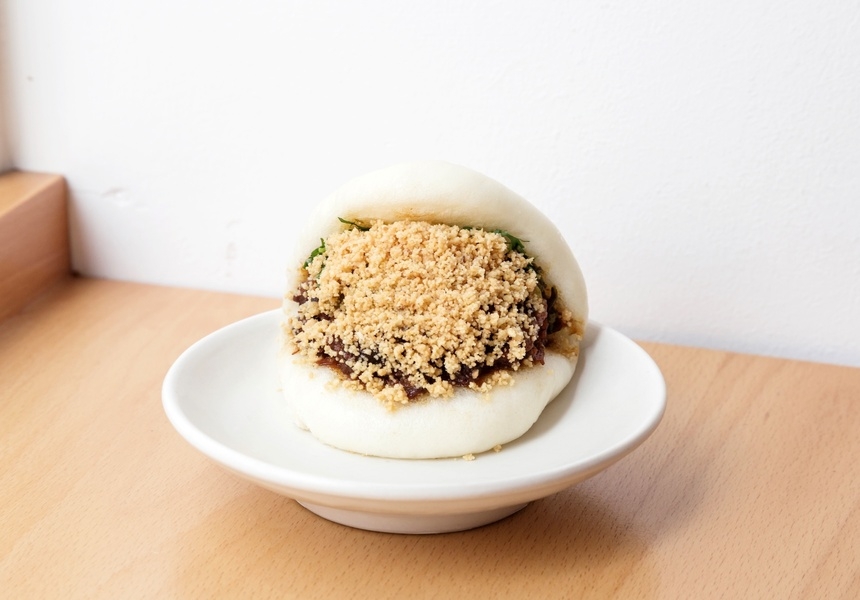
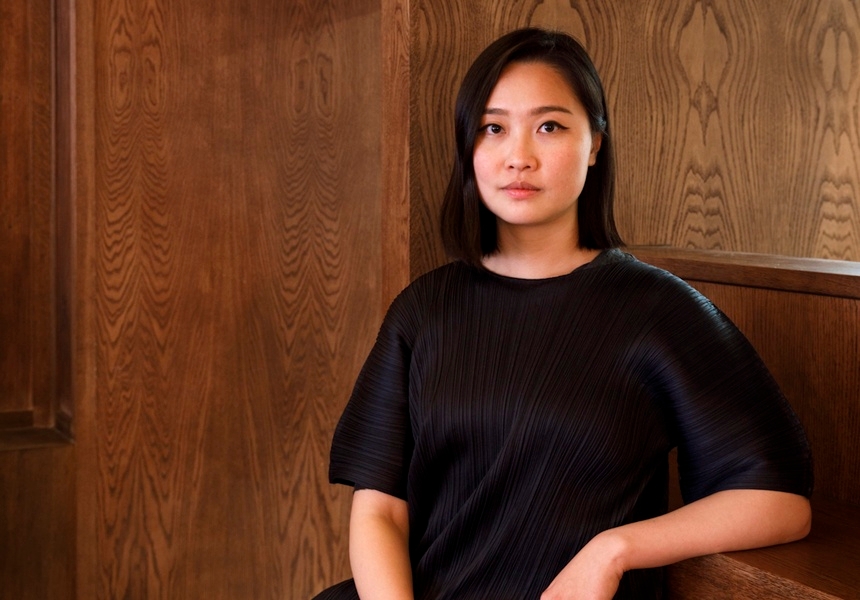
The answers are not straightforward. Prix fixe options and wallet-friendly offers designed to boost traditionally slow periods like midweek lunches are nothing new in hospitality. Yet the current crop of newly introduced and long-established deals betray an atmosphere where just getting willing bodies through the door is a legitimate struggle. That has certainly become the case for Bao, which blazed a trail with the longstanding Bao15 offer (£15 for a bao, rice bowl and xiao chi side) it first introduced a decade ago at the now-defunct Bao Fitzrovia. “Initially we wanted to create a workers lunch,” says Erchen Chang, co-founder of the seven-strong, Taiwanese-inspired group. “But I think as time goes by, it’s very much about the value you can get. There are not as many people dining out so having that offering means that there are still people coming in.”
Symonds concurs that the priority is the kind of full, buzzing dining room that draws other diners in and builds momentum. All the same, he acknowledges that a busy service doing a majority of £12 or £15 lunch specials can be somewhat deflating (“Sometimes we do 70 covers at lunch, see what we made and we’re like, ‘Christ. I thought it was going to be a bit more than that’”). The debate is almost a philosophical one: “Is it better to have an emptier restaurant or a restaurant that’s full of people who just happen to be spending a bit less money?” he says. “I don’t actually know what the right answer is.”
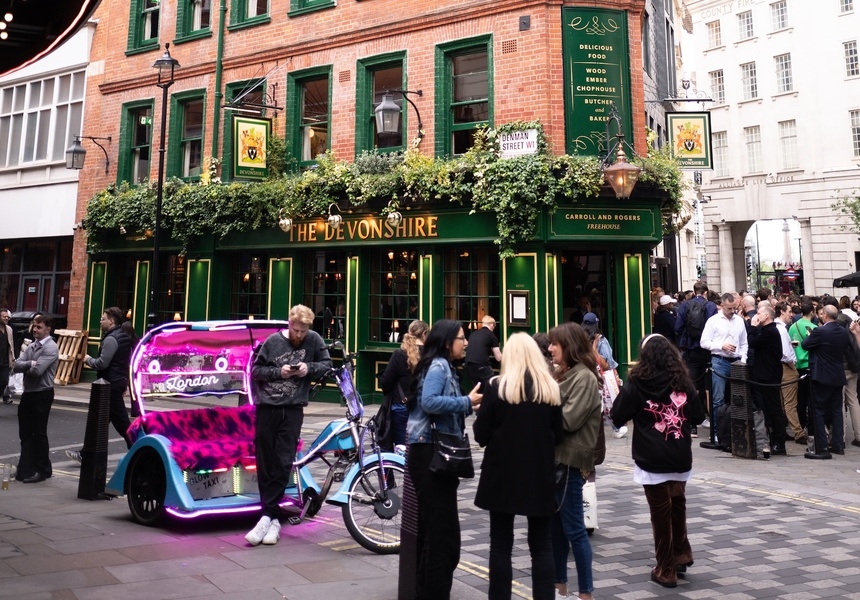
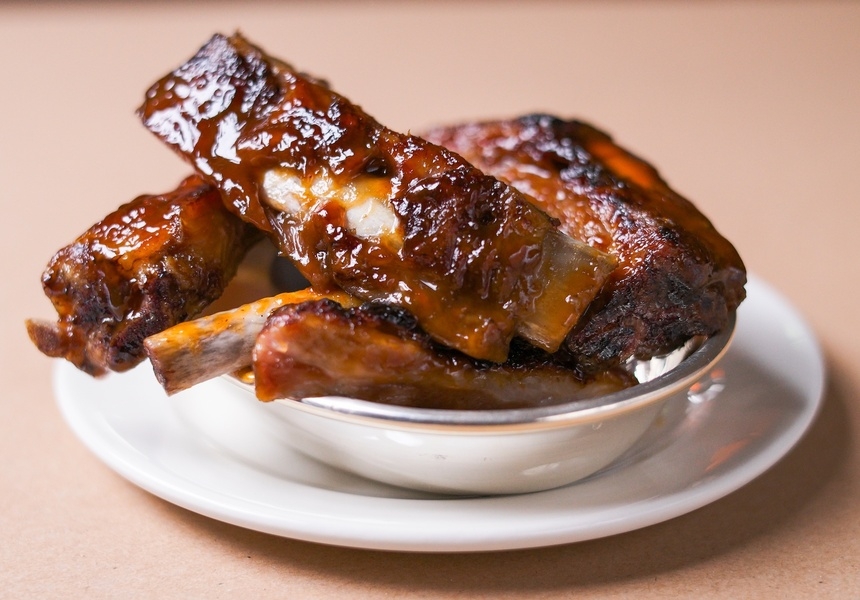
The hope is that these set lunch deals can help defibrillate the market, create more regulars and, perhaps, use the dangled promise of a sub-£20-a-head bill to nudge diners towards spending a little more. In this sense, restaurants like The Kerfield, with punchily priced a la carte menus, are almost running their own entry-level, diffusion lines. Speaking from experience, an appealing, competitively priced workers lunch is often an on-ramp to a few sides, a cocktail and a possibly unnecessary shared pudding. Anyone who has gone to The Devonshire for its sainted £29 set menu knows it's often a gateway to multiple supplementary orders of scallops, iberico ribs and more.
So what does the future hold for the great set menu renaissance? And just how low can London’s restaurateurs go, when it comes to cheap deals and come-hither inducements? Well, while Symonds and the team at The Kerfield have resisted any price hikes or bits of post-Michelin profiteering, he’s firm that they won’t join the vogue for deals that extend into early evenings and weekends.
“I think once you start stepping out from the lunchtime thing and you start offering things in the evening, your offer can start to get a bit confused.” Chang too thinks an important part of the Bao15’s specialness in offering people some “everyday luxury” is that it is limited to lunchtime and somewhat hush-hush (the print-out menus aren’t currently being offered in Bao’s restaurants, though the deal is still available). “Pricing is getting really competitive right now but I think that's why we limit it to a lunchtime offer and we're not really shouting about it,” she says. “We like having this little magic moment and we take the hit on price because it’s very intentional. We know what we want to do for our customers.”
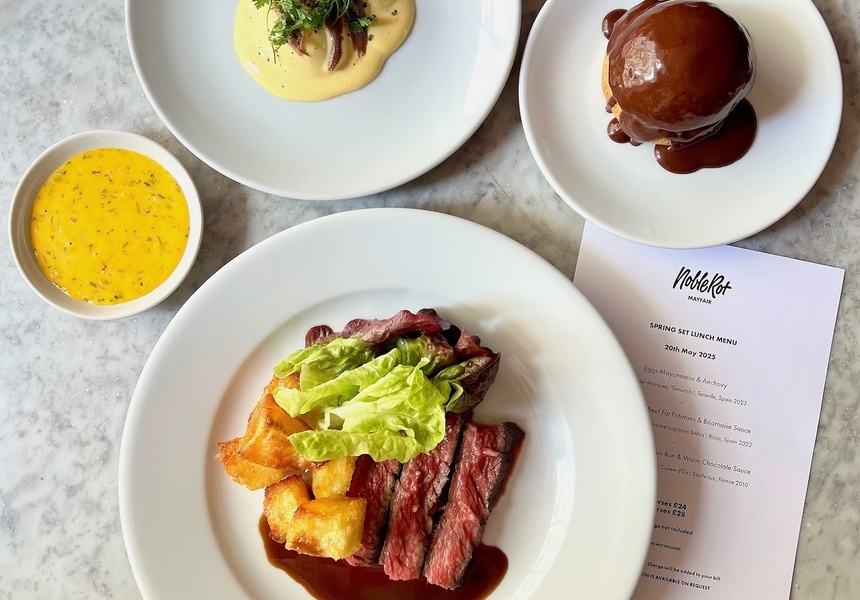
That is the nub of it. The peerless £25 set lunch at Noble Rot. The Quality Wines £10 panino and beer deal. The fact that you can walk into Maison François in the post-lunch lull, hand over 20 quid and receive either steak frites or pudding and champagne. Though some current deals feel like distress flares from ailing businesses, at their best, these offers are powerfully effective pieces of messaging. They signal the kind of establishments that are inviting us in and trying, perhaps harder than they ever have, to become part of the rhythms of our lives. Yes, the set menu boom is more about largesse, affordable decadence and romance than prudent financial decision making. But that, I think, is sort of the point, and the mad, cherishable genius of them.
For Jimi Famurewa’s dish of the week, sign up to get The Counter first, sent to your inbox every Wednesday.