The Counter is a weekly column from award-winning restaurant writer and broadcaster Jimi Famurewa. Sign up to get The Counter first, sent to your inbox every Wednesday.
Hello again.
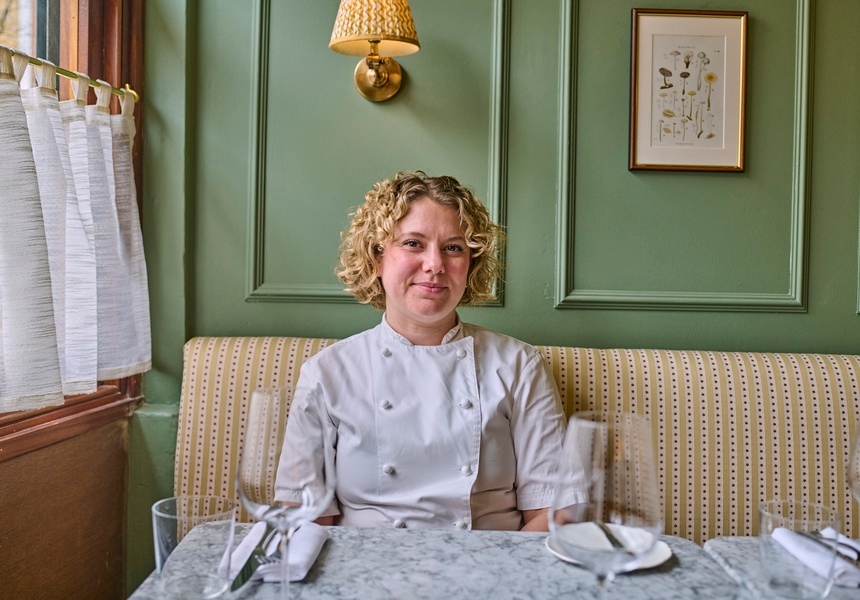
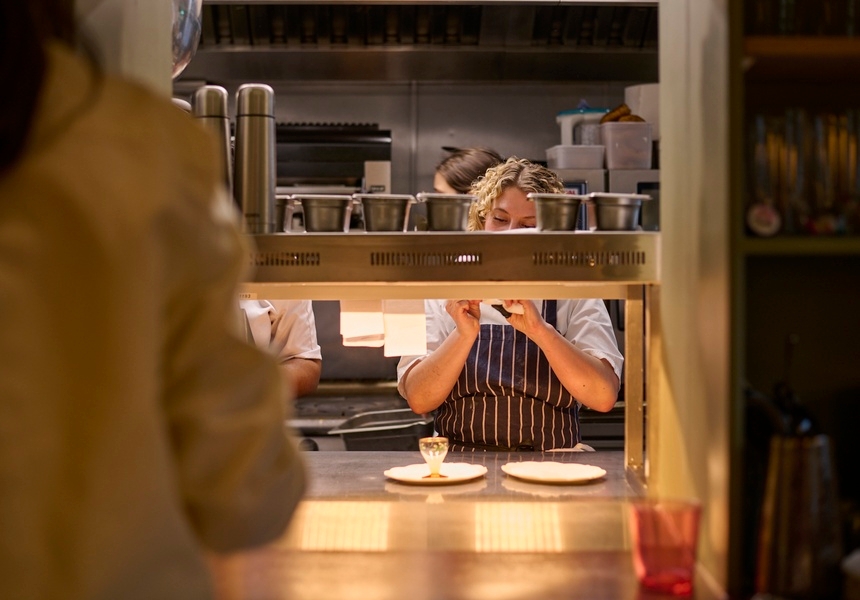
If you want to make Sally Abé smile at the moment – and maybe even alleviate some of the bone-deep exhaustion that has been the byproduct of recently opening Teal, her long-awaited solo restaurant in Hackney – then just ask her about Natural Wine Girl. “The feedback from diners has been amazing,” says the chef, reflecting on her first few weeks cooking reinterpreted British classics in Teal’s dinky Wilton Way site. “And everyone seems really happy we’re not doing natural wine or small plates.” She pauses and chuckles. “Although, we had one guest who looked at the wine list, asked if we had anything natural and then, when we said we didn’t, she just pushed the menu back and drank tap water all night. I thought that was f-ing hilarious.”
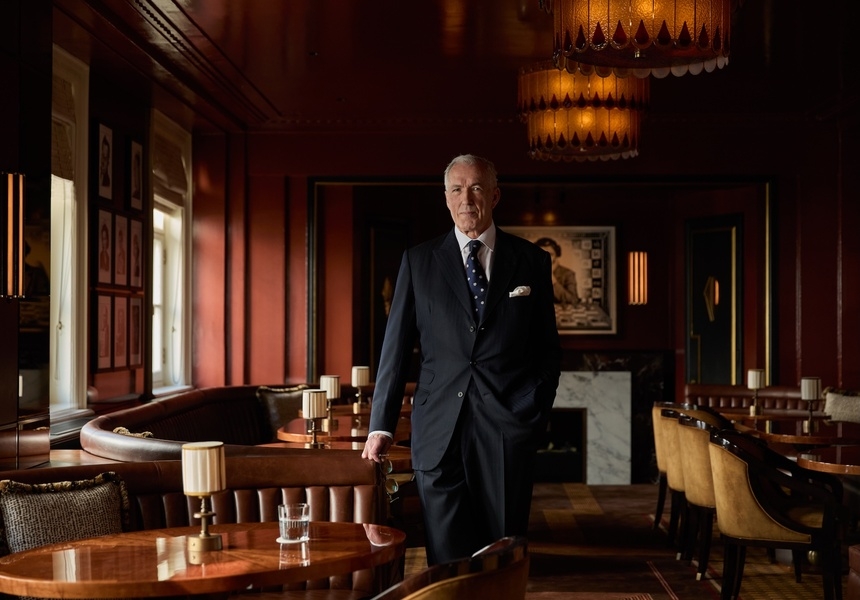
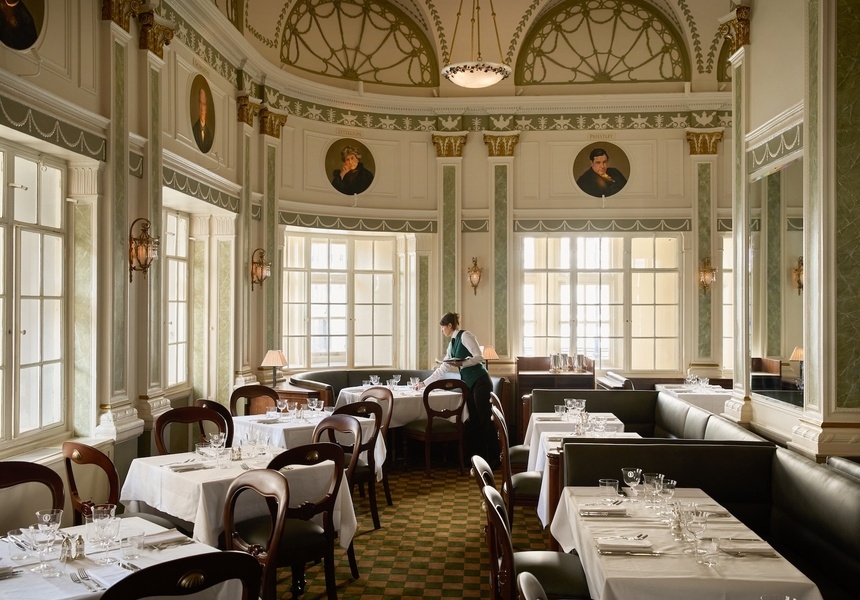
This moment illustrates just how quietly transgressive Teal’s concept, a Victoriana-soaked throwback of devils on horseback, crab royale and penny lick ice cream scoops, is – particularly in the small plates-clogged wilds of London Fields. But, low-intervention absolutism aside, this sort of reaction to a blast of British culinary nostalgia feels increasingly out of step with the times. A quarter of the way into the year, one of London’s more prominent trends is a return to the kind of dishes and dining rooms more typically associated with the tail end of the 19th century. Teal and Jeremy King’s bravura, limelight-hogging reboot of Simpson's in the Strand. Tavern, the forthcoming, devilled pig skin and hogget scrumpet-fuelled update of Nest in Shoreditch. Cloth Cornhill – the imminent new guise of legendary, 18th century establishment Simpson’s Tavern – and Major’s Grill, Carbone founders Major Food Group’s swaggering, Manhattanite riff on a wood-panelled London grill, set within the Grade I-listed Cambridge House.
Never mind that this is the age of driverless Waymo taxis and record-breaking lunar expeditions. Almost everywhere you look, menus teem with steamed puddings and snail and beef shin pies, Dickens is being invoked as an enthusiastic former patron, and restaurateurs are inviting us to take a trip back to a time of gentlemen’s clubs, lamplit foggy streets and brimming silver tankards of black velvet.
So what is happening here? Why has this particularly virulent strain of chophouse and tavern-mania taken hold? And how long can this renewed interest in Britain’s, and specifically London’s, distant culinary history last?
The revivalist trend probably dates back further than we realise. Yes, looking to Victorian and Edwardian grill rooms for inspiration has been particularly in vogue during the past 18 months (here we turn to Liverpool Street Chophouse & Tavern and 45 Curtain Road, relaunched last year as an, um, “Japanese chophouse with Mediterranean influences”). But I think the first reverberative ripple of this current wave was the 2023 opening of The Devonshire. Though Oisín Rogers, Ashley Palmer-Watts and Charlie Carroll’s all-conquering mega-pub famously has some distinct Irish inflections, it owes a considerable gastronomic debt to storied British dining rooms like The Guinea Grill (where Rogers honed his hit formula) and Rules.
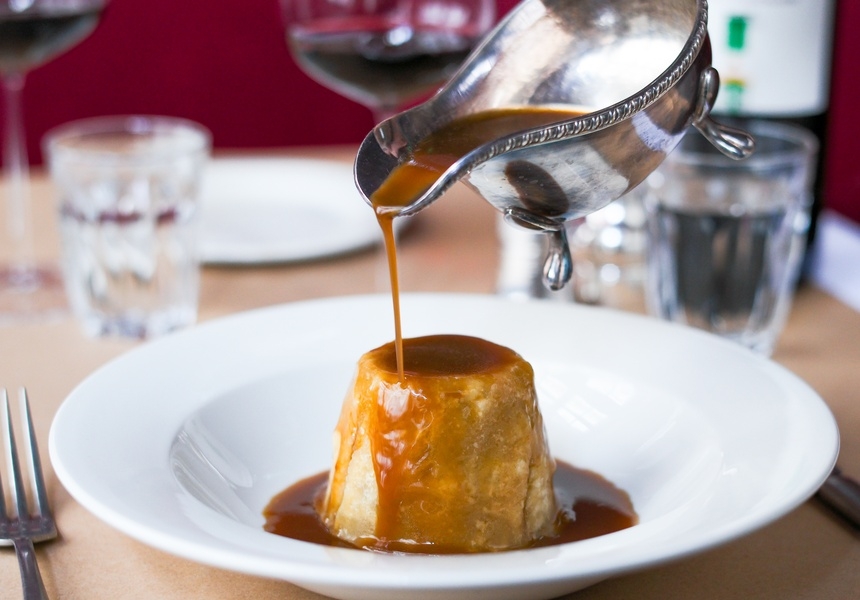
The Devonshire was a turning point because it thrust outmoded culinary ideas and aesthetic flourishes back to the heart of things. On one hand, its opening was the catalyst for a spate of copycat fancy dining pubs touting rigorously poured pints of Guinness. On another, it crystallised a global movement to reclaim steamed suet puddings, mince rolls and other pieces of British epicurean ephemera that were once either dismissed or sneered at.
And yes, the trend is indeed global. All flimsy trend pieces about Britainmaxxing aside, the fact that buzzy restaurants everywhere from Los Angeles and Paris to New York (most recently, Dean’s, a refined pub and seafood restaurant inspired by the Suffolk coast) are riffing on our culinary traditions with such gleeful admiration has probably emboldened us to reappraise them with similar interest and ardour. “I’ve said in a million interviews that British cuisine gets a bad rap,” says Abé. “We lost our way after the World Wars and lost a lot of these traditions. But that’s what makes it really exciting to bring them back somewhat, educate people and say, you know, we do have this amazing, rich food history in the UK. We’ve just got to go out and find it.”
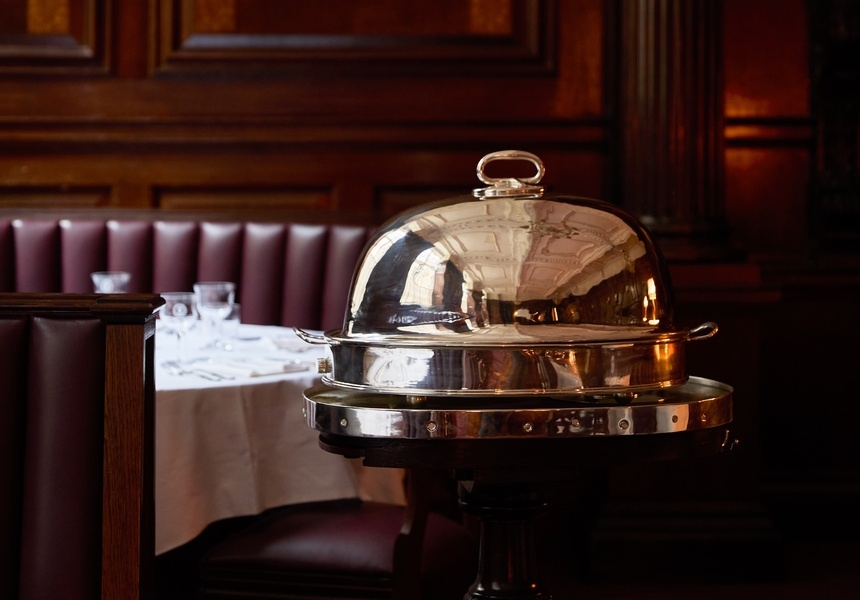
Historical curiosity and nostalgia is, of course, a huge part of this. A venture like Simpson’s in the Strand – which features the trundling carving trolleys of the Grand Divan, two glamourpuss bars and Romano's, an exhumed version of a legendary West End restaurant and theatreland clubhouse – projects a multilayered, time-warp fantasy of London that, impressively, is just as effective for tourists as it is for locals. Set against a preponderance of Italian trattorias and Modern European small plates spots, it’s easy to see how restaurants proffering gentleman’s relish and lockets savoury (a supremely enjoyable blue cheese rarebit with pickled pear on the ‘savouries’ section of Teal’s menu) have started to look distinct and, maybe, even somewhat radical.
So how long can it last? And, given Heston Blumenthal’s historical fine dining flagship Dinner will be closing early next year, are there really enough truly great dishes in the Victorian-coded canon to hold diners interest? Well, Abé – who has been exploring the outer reaches of the UK’s food history since her days at The Harwood Arms and The Pem – is not worried about running out of inspiration any time soon. “I’ve got hundreds of [historical] dishes to draw upon as a foundation,” she says. “Everything from grouse with bananas to one for swan – though I probably won’t be doing that one anytime soon as I don’t want to get in trouble.”
Zooming out a little more, there is of course Major’s Grill and The Devonshire team’s hush-hush new Covent Garden project, in the former offices of The Lady – I am going to stick my neck out and say that I don’t think it will be a gigantic natural wine bar doing Japanese-inspired sharing plates.
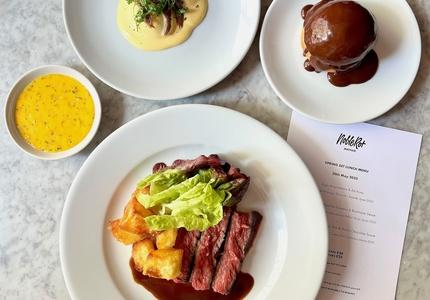
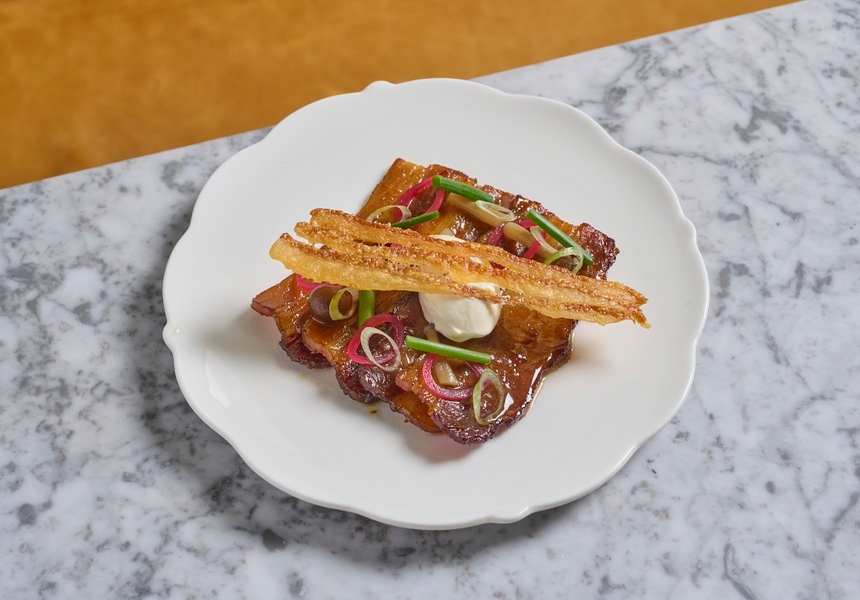
But to track specific menu development plans or openings is to sort of miss the point. The reason the restaurants at the vanguard of this trend are connecting with Londoners is because they generally feature deceptively simple, excellent cooking – in grand, buzzy, and decidedly pleasure-forward rooms – with the added novelty and surprise of teaching you something about the city’s history. They are, crucially, traditionalist in form but modern in spirit. Last week, this was borne out by a long, deliriously enjoyable lunch at Teal. It began with the surging, salty-sweet rush of a bacon-wrapped prune, primed with a payload of rich chicken liver, stopped off with blushing slabs of lamb rump and indecently crisp pink fir potatoes, and finished with a riotous, raspberry-laced spin on a Tunnock’s teacake. It was comfort and unexpectedness, enthrallingly intertwined. And a reminder that Abé, like a clutch of other chefs and restaurateurs, has realised that, the most memorable thing you can give Londoners in 2026 is a fresh take on their own history.
For Jimi Famurewa’s dish of the week, sign up to get The Counter first, sent to your inbox every Wednesday.
Got a question about London's dining scene that you'd like Jimi to answer, or a hot tip about a great place to eat or drink in London? Email jimi@broadsheet.com.