The Counter is a weekly column from award-winning restaurant writer and broadcaster Jimi Famurewa. Sign up to get The Counter first, sent to your inbox every Wednesday.
Hello team.
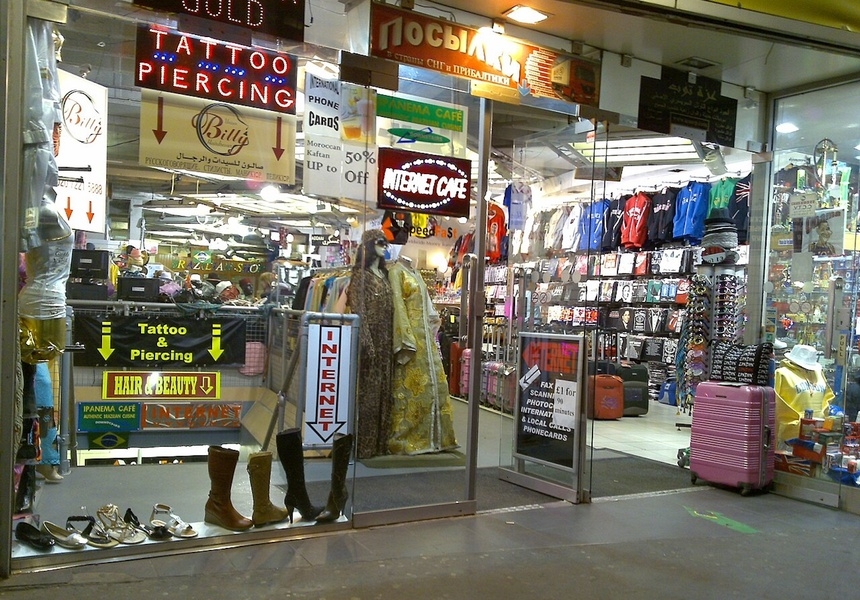
In the past fortnight, I have been to two city centre food markets both alike and unalike in dignity. The first was Madrid’s Mercado de San Antón: a tightly packed, multilevel sprawl of mini-restaurants and traders, scented by the drifting waft of fresh seafood and heralded by noisy hordes of Madrileños downing gildas in the afternoon sunshine. Next, was west London’s Queensway Market, the indoor labyrinth in Bayswater that is home to both hectic, tightly packed disorder – think juice bars, vape emporia, electronics shops and budgerigars chirping in display cages – and, perhaps unexpectedly, food establishments that serve some of the city’s best examples of everything from Uzbek to Malaysian cuisine.
Both provide affordable sustenance and an enlivening collision of culinary cultures. Both are bustling, slightly gritty hubs of commerce favoured by locals and savvy tourists alike. But while one is a recognised, thriving component of what makes the Spanish capital special, the other is a doomed entity, marking out its final weeks, and symbolising a London food scene that’s increasingly being stripped of some of its essential, unruly character. To have been in Madrid so recently was to be reminded that the same basic idea of an indoor food market can yield wildly different outcomes and attitudes.
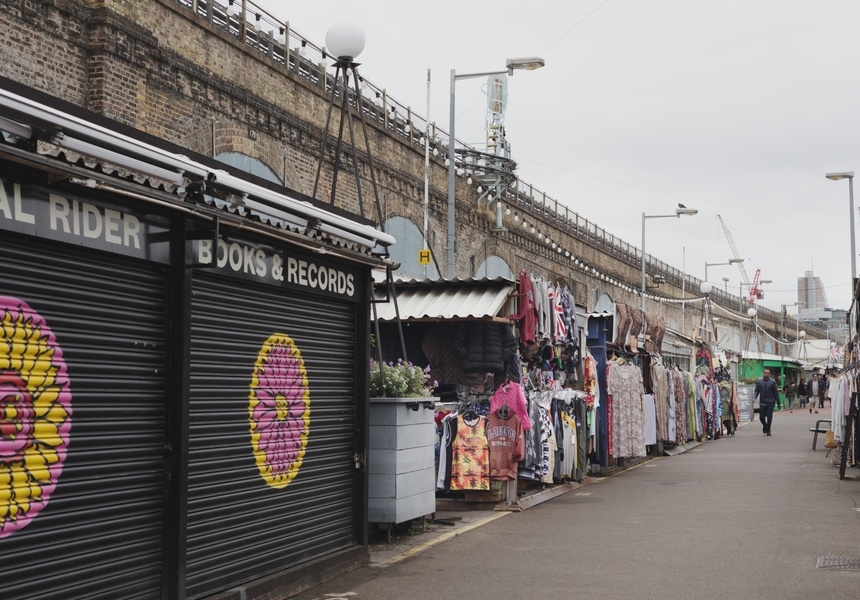
This is part of why the news that Queensway Market will likely be closing for good on May 23 – its current long-term tenants forcibly moved on and the part of its site replaced by an enormous new branch of Whole Foods – is so troubling. Yes, the city’s tidier, more famous gastronomic markets, such as Borough and Spitalfields, are still going (relatively) strong. Yet the fate of Queensway Market, and the potential permanent loss of revered businesses like Normah’s and Uzbek Corner, feels part of a concerning wider pattern. From Elephant and Castle’s Castle Square and Brixton Plaza to Ridley Road and Shepherd's Bush Market, the past 12 to 18 months have seen one culturally diverse, covered trading space after another squeezed out by redevelopment plans.
I will not get into the weeds of property ownership and commercial real estate prices in the capital (both Zoe Suen for Vittles and Andrew Kersley at The Londoner have recently done a good job of laying out the complex civic machinations behind some of these proposed closures). Nor do I think there’s much value in turning this into a zero sum game where you are either on the side of independent eating spaces or an American organic grocery giant currently on an expansion tear (it is possible, in a city as large as London, to be into one, both or neither). But I do think that beyond the grim optics – Amazon’s ownership of Whole Foods does make it feel like Queensway Market could just as well be about to be replaced by a giant puppy murdering facility – it is worth examining what the loss and continued imperilment of these spaces means for the city’s wider food landscape. Bluntly: why should we care?
Well, the first group to consider, beyond the traders themselves, are the communities that these markets serve. Businesses like Castle Square’s shuttered Guyanese stalwart Kaieteur Kitchen or Shepherd’s Bush’s Algerian-inspired Sam Sandwiches may have garnered the kind of citywide attention and rapturous food vlogger posts that made them points of slobbering pilgrimage. But their utility as clubhouses and canteens for a mixed, local clientele – of workers, homesick immigrants, and other hangers-on – made them vital third spaces.
That said, these markets are also crucial to the broader health and formulation of London’s dining ecosystem. Without Chishuru’s initial incubating period, among the broom-cupboard units along Brixton Village’s Market Row, Adejoké Bakare does not become the first black female chef in the UK to be awarded a Michelin star for her restaurant. If Manolo “Taco Manny” de la Torre had not been able to establish Guacamoles in Peckham’s Rye Lane Market then he would not currently be in empire-building mode, with freshly opened locations in Tooting and, as of last month, Hackney Wick.
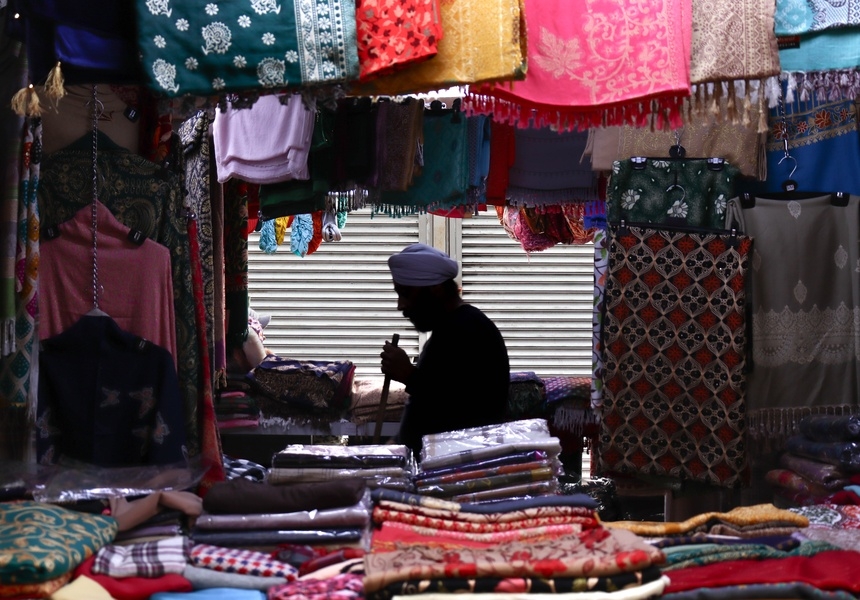
Indoor food markets are a relatively affordable entrepreneurial entry point for culinary talent; they embody the fierce independence, multiculturalism and approachability that are among London’s most prized yet endangered qualities. Queensway Market’s demise should be our reminder to preserve, frequent and cherish these spaces. In that spirit, here are a few spots that still embody some of its chaotic and delicious spirit.
La Placita
Head into this Latin-flavoured indoor mall at the edge of New Cross and you’d be forgiven for thinking you’d stumbled into a thrumming, South American barrio. Duelling sound systems blasting out salsa and cumbia music. Groups of locals taking up scuffed tables for morning coffees or evening buckets of Corona. Food stalls and bars that cover the Dominican Republic, Colombia (try the pandebono, a stretchy cheese bun, from Juanchito) and even the Galapagos Islands. Surreal, outrageously fun and utterly distinct.
Shepherd's Bush Market
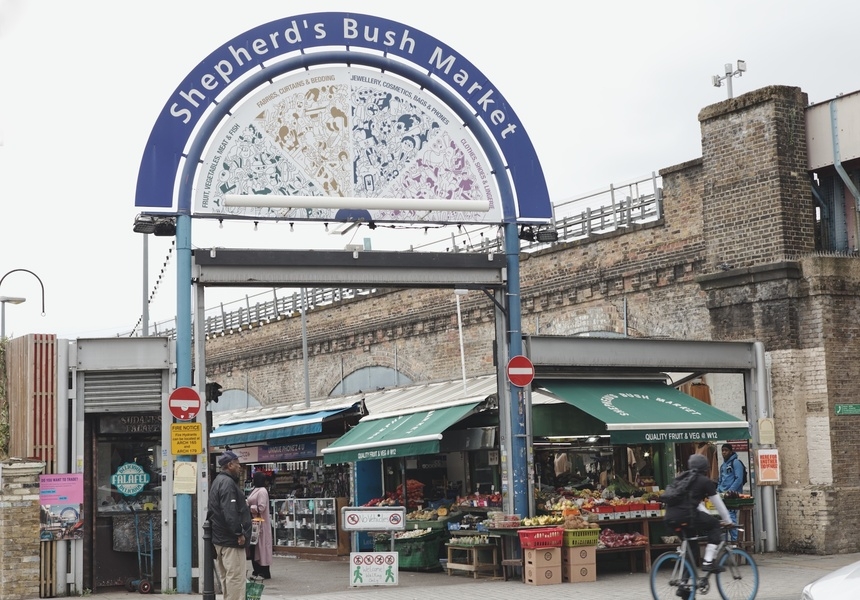
Though this 111-year-old West London institution has been earmarked for partial redevelopment and reconfiguration – an asset of community value bid failed last year, though an effort is being made to retain and support existing traders – it is destined to rumble on. If you are there then you are likely heading to Sam Sandwiches, Samir Ladoul’s internet-famous little counter (actually part of New Shepherds Bush Market, an adjacent set of stalls, under separate ownership) for a peerless, merguez-stuffed Algerian doorstopper. But do not sleep on the verdant, burnished Palestinian fritters at Mr Falafel or the East African sharing platters at Delina Kitchen, over on the original market site.
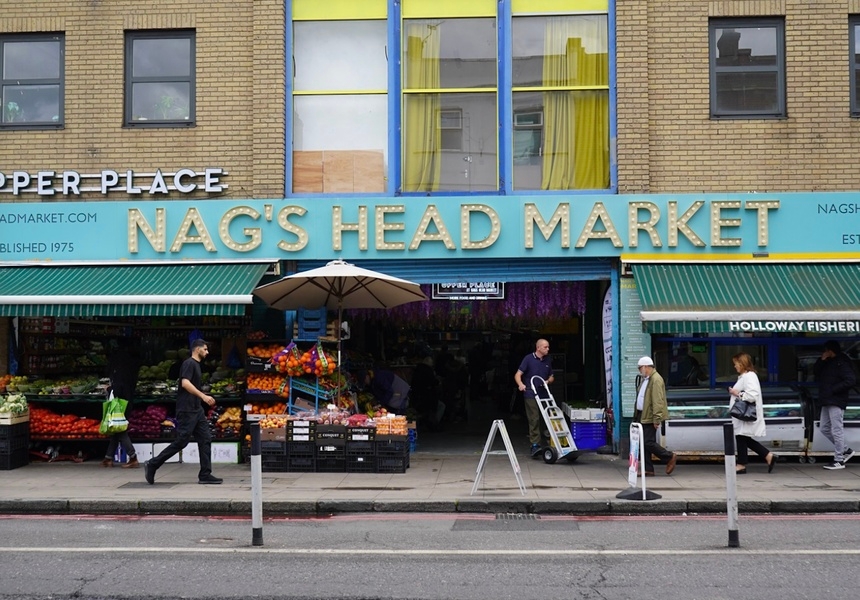
Nag’s Head Market
Authentic, sharply rendered Mexican food feels particularly well-suited to the urgent, no-frills atmosphere of a market (see Guacamoles and Sonora’s original stand near London Fields) and that proves to be the case in this Holloway maze of stalls and mini restaurants. Yes, there is supposedly creditable Moroccan, West African and South Asian here. But it is Proper Tacos – a diminutive, highly rated kiosk slinging succulent beef suadero and pork chicharron, heaped into handmade blue corn tortillas – that is probably the one true non-negotiable.
Holborn Food Hub
Part of Queensway Market’s appeal was that it lurked, anomalously, in a central part of town – and the same can be said of this cult micro food court near Bloomsbury. True, it literally comprises only three separate food stands – a pair of Malaysian-inspired businesses and a shawarma spot that’s very popular with the local student population – but it is absolutely a quality over quantity situation. The move is either a humming, fragrant laksa or soothing Hainanese chicken rice platter from the confusingly named, yet consistently brilliant 7 Floor Malaysia Tea Room.
For Jimi Famurewa’s dish of the week, sign up to get The Counter first, sent to your inbox every Wednesday.
Got a question about London's dining scene that you'd like Jimi to answer, or a hot tip about a great place to eat or drink in London? Email jimi@broadsheet.com.